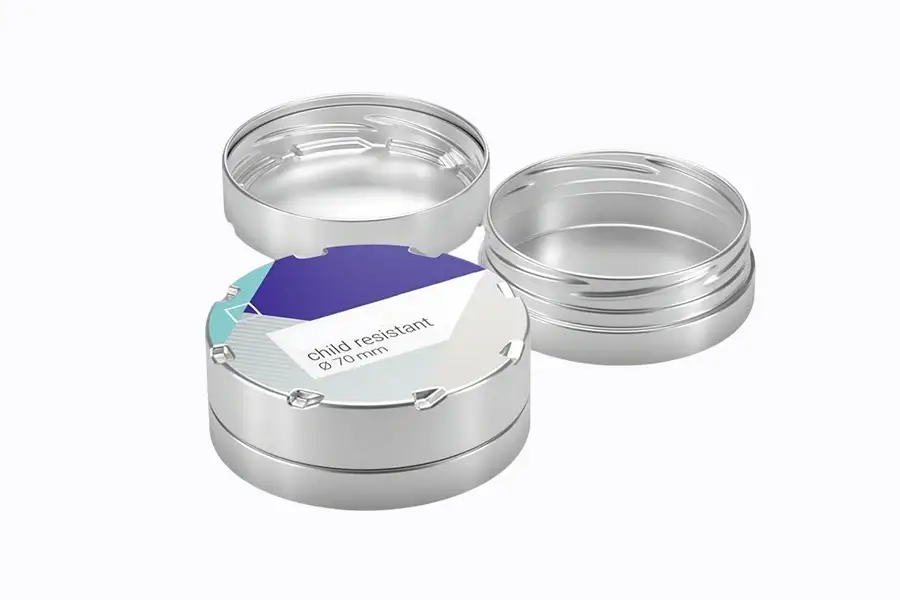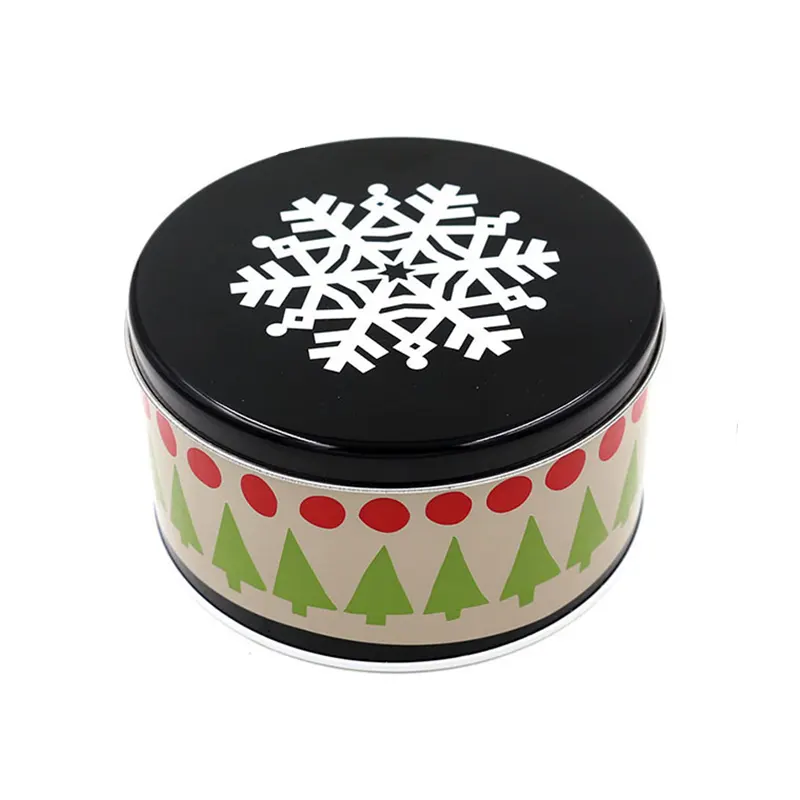
L’approvvigionamento di scatole di latta per uso alimentare richiede una valutazione rigorosa per garantire la sicurezza del prodotto, conformità normativa, e accesso al mercato a lungo termine. Un imballaggio scarsamente verificato può portare alla migrazione chimica, contaminazione da metalli pesanti, e costosi richiami di prodotti.
Questa guida spiega come valutare i materiali, certificazioni, metodi di prova, e fornitori, così potrai scegliere con sicurezza imballaggi in latta per uso alimentare conformi per i tuoi prodotti.
Cosa rende sicura una scatola di latta per uso alimentare
UN scatola di latta per alimenti è definito non solo dalla sua struttura metallica ma dal sistema di imballaggio completo, compreso il substrato, rivestimento, e controllo della produzione. La sua sicurezza dipende dalla capacità di prevenire la migrazione chimica in condizioni reali di stoccaggio e trasporto, mantenendo al contempo la stabilità tra diversi tipi di alimenti e ambienti.

Struttura di sicurezza multistrato
Gli imballaggi in latta per uso alimentare si basano su un sistema di protezione a strati progettato per prevenire l'interazione diretta tra il cibo e le superfici metalliche reattive. Il materiale di base, tipicamente banda stagnata o acciaio senza stagno, fornisce resistenza strutturale, mentre il rivestimento interno funge da barriera chimica primaria.
I rivestimenti esterni e gli strati stampati migliorano ulteriormente la durata e prevengono la contaminazione durante la movimentazione e il trasporto. Insieme, questi strati garantiscono stabilità a lungo termine anche in condizioni di umidità, esposizione all'ossigeno, e fluttuazioni della temperatura.
Requisiti fondamentali di sicurezza per l'uso a contatto con gli alimenti
Per qualificarsi come alimentare, Gli imballaggi in latta devono soddisfare rigorosi requisiti normativi e prestazionali che garantiscono la sicurezza chimica durante tutto il loro ciclo di vita. Non deve rilasciare sostanze nocive negli alimenti durante la normale conservazione o in condizioni estreme, come il riscaldamento o l'esposizione acida. Allo stesso tempo, ha bisogno di una forte resistenza alla corrosione per gestire prodotti delicati come le salse acide, oli, o cibi salati. La conformità alle normative FDA o UE sul contatto alimentare è essenziale per l'approvazione e la distribuzione sul mercato.
Standard di conformità dello stagno per uso alimentare che devi soddisfare
Gli imballaggi in latta per uso alimentare devono essere conformi ai sistemi normativi e di qualità per garantire un contatto sicuro con gli alimenti e prevenire la migrazione chimica. Questi standard non sono facoltativi; definiscono se gli imballaggi possono entrare legalmente in mercati chiave come gli Stati Uniti e l’UE.
Requisiti normativi FDA e UE
Lo stagno per uso alimentare deve essere conforme alle normative sui materiali a contatto con gli alimenti nei mercati di destinazione. Negli Stati Uniti, la Food and Drug Administration regola le sostanze a contatto con gli alimenti ai sensi 21 Requisiti del CFR, mentre l’Unione Europea impone Regolamento dell'Unione Europea (CE) NO. 1935/2004. Questi quadri garantiscono che i materiali e i rivestimenti non rilascino sostanze nocive negli alimenti nelle condizioni di utilizzo previste.
Certificazioni chiave e documenti di verifica
Oltre la conformità legale, i fornitori devono dimostrare un controllo di produzione coerente e una validazione dei test. Le certificazioni comuni includono BRCGS Packaging, SQF, e ISO 22000, che si concentrano sui sistemi di igiene, tracciabilità, e prevenzione dei rischi. Inoltre, gli acquirenti devono richiedere una Dichiarazione di Conformità (Doc) e rapporti di laboratorio di terze parti, come la migrazione e i test sui metalli pesanti, per confermare l'effettiva sicurezza del materiale.
Materiali sicuri utilizzati nelle scatole di latta per uso alimentare
Selezione della banda stagnata e dei metalli di base
Quando si sceglie una scatola di latta per alimenti, dovresti prima valutare il metallo di base utilizzato nella struttura del contenitore. La maggior parte degli imballaggi alimentari si basa sulla banda stagnata, che combina l'acciaio a basso tenore di carbonio con un sottile rivestimento di stagno per migliorare la resistenza alla corrosione e ridurre l'interazione diretta del cibo con la superficie metallica.
Alcuni fornitori di lattine per alimenti utilizzare anche acciaio senza stagno (TFS) per applicazioni che richiedono una maggiore adesione della vernice. Prima di approvare qualsiasi materiale, è necessario confermare che il substrato soddisfi le restrizioni sui metalli pesanti e includa la documentazione verificata sul contatto con gli alimenti.
Sistemi di rivestimento interno adatti agli alimenti
Il rivestimento interno è spesso lo strato di sicurezza più importante all'interno di una scatola di latta per uso alimentare perché separa il prodotto dal substrato metallico. Se confezioni acido, oleoso, o cibi ad alto contenuto di zolfo, il sistema di rivestimento sbagliato può portare rapidamente alla corrosione, scolorimento, o migrazione chimica.
I rivestimenti epossifenolici sono ancora ampiamente utilizzati per i prodotti alimentari in genere, mentre i sistemi in poliestere senza BPA sono diventati sempre più comuni per i marchi che cercano di ridurre le preoccupazioni legate al BPA e soddisfare le aspettative del mercato più rigorose.
Migliora il tuo marchio con un packaging personalizzato premium

Principali test di sicurezza per gli imballaggi in latta per uso alimentare
Prima di approvare qualsiasi imballaggio in latta per uso alimentare, è necessario verificare che i materiali e i sistemi di rivestimento abbiano superato la convalida di sicurezza di base. Mentre le certificazioni confermano la conformità normativa, i test di laboratorio forniscono la prova tecnica che l'imballaggio può resistere in sicurezza allo stoccaggio reale, riempimento, e le condizioni di trasporto senza compromettere il prodotto alimentare.

Migrazione e test sui metalli pesanti
I test di migrazione valutano se le sostanze del rivestimento o della superficie metallica si trasferiscono negli alimenti in condizioni normali o peggiori. I laboratori utilizzano diversi simulanti alimentari per replicare l'acido, oleoso, o prodotti acquosi misurando la stabilità chimica nel tempo. Dovresti anche richiedere rapporti di analisi dei metalli pesanti che confermino che sostanze soggette a restrizioni come il piombo, cadmio, e il cromo rimangono al di sotto delle soglie di sicurezza legali richieste dalla FDA o dalle normative UE.
Test di integrità del rivestimento e della tenuta
Anche i materiali conformi possono cedere se il rivestimento interno si rompe o il contenitore perde l'integrità della tenuta durante la produzione e la distribuzione. Produttori affidabili, Perciò, testare l'adesione del rivestimento, prestazioni di cura, struttura della cucitura, e resistenza alle perdite per garantire che l'imballaggio mantenga una barriera stabile per tutta la sua durata di conservazione. Questi test diventano particolarmente importanti per il confezionamento sottovuoto, ribatté, o prodotti alimentari ad alto contenuto di umidità in cui anche piccoli difetti possono aumentare i rischi di contaminazione.
Rischi legati all’imballaggio in latta per uso alimentare a cui gli acquirenti dovrebbero prestare attenzione
Quando si acquistano scatole di latta per uso alimentare, molti problemi di sicurezza derivano da verifiche incomplete piuttosto che da evidenti difetti di imballaggio. Gli acquirenti dovrebbero valutare la documentazione del fornitore, compatibilità del rivestimento, e sistemi di controllo qualità attentamente prima di approvare la produzione.
| Zona di rischio | Problema comune | Impatto potenziale | Cosa dovrebbero verificare gli acquirenti |
|---|---|---|---|
| Documenti di conformità | Certificati generici o obsoleti | Rifiuto normativo o problemi di importazione | Documenti di conformità attuali e rapporti sui test di migrazione |
| Selezione del rivestimento | Rivestimento sbagliato per cibi acidi o oleosi | Corrosione, migrazione, o cambiamenti di sapore | Compatibilità del rivestimento con il tipo di prodotto |
| Controllo di qualità | Rivestimento o ispezione delle cuciture incoerenti | Perdite o guasti alla durata di conservazione | Registrazioni QC e tracciabilità dei lotti |
| Controllo dei metalli pesanti | Scarsa verifica delle materie prime | Rischi di conformità e sicurezza | Rapporti di analisi dei metalli pesanti |
| Tracciabilità della produzione | Sistemi di documentazione deboli | Ritiri difficili e tracciabilità dei difetti | CAPA e procedure di tracciabilità dei lotti |
Come scegliere la scatola di latta alimentare giusta per diversi prodotti

Alimenti acidi e ad alta sensibilità
Se stai confezionando prodotti acidi come alimenti a base di agrumi, sottaceti, salse, o verdure trasformate, è necessario dare priorità alla resistenza alla corrosione sopra ogni altra cosa. Gli ambienti acidi possono accelerare la reazione del metallo se il rivestimento interno non è selezionato correttamente, portando allo scolorimento, gusto metallico, o problemi di migrazione.
In questo caso, dovresti scegliere banda stagnata o acciaio senza stagno combinato con rivestimenti resistenti agli acidi o a base di poliestere appositamente progettati per resistere a condizioni di pH basso durante lunghi periodi di stoccaggio o trattamenti termici.
Prodotti secchi e prodotti dolciari
Per prodotti secchi come il caffè, tè, biscotti, e cibi in polvere, la sfida principale non è la corrosione chimica ma l’umidità, ossigeno, e protezione dell'aroma. In queste applicazioni, di solito è sufficiente un sistema di rivestimento epossifenolico standard o privo di BPA, purché fornisca una barriera interna stabile.
Dovresti anche prestare attenzione al design della chiusura, perché la chiusura ermetica e la corretta struttura del coperchio svolgono un ruolo chiave nel preservare la freschezza e prevenire la perdita di sapore durante la distribuzione e lo stoccaggio al dettaglio.
Grasso, Grasso, e cibi ad alto contenuto di sale
Gli alimenti oleosi e ad alto contenuto di sale sottopongono i materiali di imballaggio a un diverso tipo di stress perché i grassi possono assorbire gli odori indesiderati mentre il sale accelera la corrosione nel tempo. Quando si seleziona l'imballaggio per le noci, oli, o cibi conservati, è necessario assicurarsi che il rivestimento interno abbia una forte resistenza ai grassi e stabilità chimica a lungo termine.
In questi casi, spesso si preferiscono rivestimenti epossidici o fenolici più spessi o appositamente formulati per ridurre l'interazione dei sapori e mantenere l'integrità del prodotto per tutta la sua durata di conservazione.
Considerazioni finali
L'approvvigionamento di imballaggi in latta generici senza una conformità verificata può trasformarsi rapidamente in una grave responsabilità quando il guasto del rivestimento o la migrazione chimica influiscono sul prodotto. Se stai costruendo un marchio alimentare, non dovresti fare affidamento su dichiarazioni verbali di “sicurezza alimentare”: hai bisogno di una chiara conformità FDA o UE supportata da dati di test sulla migrazione reale e sui metalli pesanti per proteggere il tuo prodotto, i tuoi clienti, e il tuo accesso al mercato.
Per ridurre il rischio di approvvigionamento, collaborare con un produttore in grado di dimostrare la sicurezza con i dati, non promesse. Uomini di latta si concentra su imballaggi in latta per uso alimentare realizzati con rivestimenti testati, controllo stabile della produzione, E Personalizzazione OEM in base alle esigenze del tuo prodotto, aiutandoti a passare da una fornitura incerta a una più affidabile, sistema di imballaggio pronto per l'audit.
👉Contattaci oggi per discutere le specifiche OEM e creare un prodotto pienamente conforme, linea di fornitura pronta per l'audit.
Domande frequenti
Quali documenti dovrebbe fornire un fornitore affidabile di imballaggi in latta?
Un fornitore affidabile dovrebbe fornire un pacchetto di conformità completo, comprese le dichiarazioni materiali, registrazioni di tracciabilità a livello di lotto, e rapporti di laboratorio di terze parti. Nell'approvvigionamento professionale, la chiave non è solo avere certificati, ma assicurando che siano direttamente collegati alla struttura specifica del prodotto e al lotto di produzione.
Come si può sapere se un campione di imballaggio in latta è pronto per la produzione??
Un campione è significativo solo se riflette le reali condizioni di produzione, non solo un prototipo. Si dovrebbe valutare se la finitura del rivestimento, struttura della cucitura, e la qualità di stampa rimangono stabili sotto manipolazione e pressione. Molti errori di approvvigionamento si verificano quando i campioni sembrano corretti, ma la qualità della produzione di massa non è coerente.
Qual è il rischio nascosto più grande nell’approvvigionamento di latta alimentare??
Il rischio più trascurato è l’incoerenza tra i campioni testati e la produzione di massa finale. Anche quando le certificazioni sono valide, cambiamenti nei lotti di rivestimento, condizioni di stagionatura, o i fornitori di materie prime possono influenzare le prestazioni di sicurezza finali. Questo divario è spesso ciò che porta a fallimenti imprevisti nella catena di approvvigionamento.
Per quanto tempo resta valida nella pratica la certificazione dello stagno per uso alimentare??
Sebbene i certificati possano avere un periodo di validità ufficiale, la conformità nel mondo reale dipende dal fatto che la formulazione o il processo di produzione siano cambiati. Se rivestimenti, inchiostri, o le fonti delle materie prime vengono modificate, i risultati dei test precedenti potrebbero non rappresentare più pienamente l’attuale sicurezza della produzione.
Tutti i prodotti alimentari richiedono lo stesso livello di test sulla sicurezza degli imballaggi?
NO. L'intensità del test richiesta dipende dalla chimica del prodotto, durata di conservazione, e condizioni di lavorazione. Alto contenuto di acido, ad alto contenuto di grassi, oppure gli alimenti trattati in storta richiedono in genere una convalida più approfondita rispetto ai prodotti secchi. Un fornitore qualificato dovrebbe adattare la profondità dei test in base al rischio applicativo effettivo, non applicare un unico standard a tutti i prodotti.