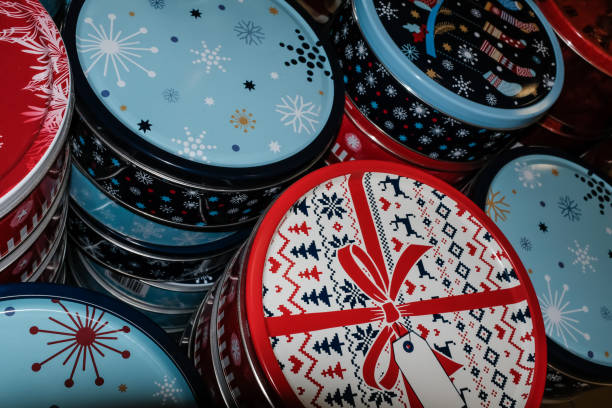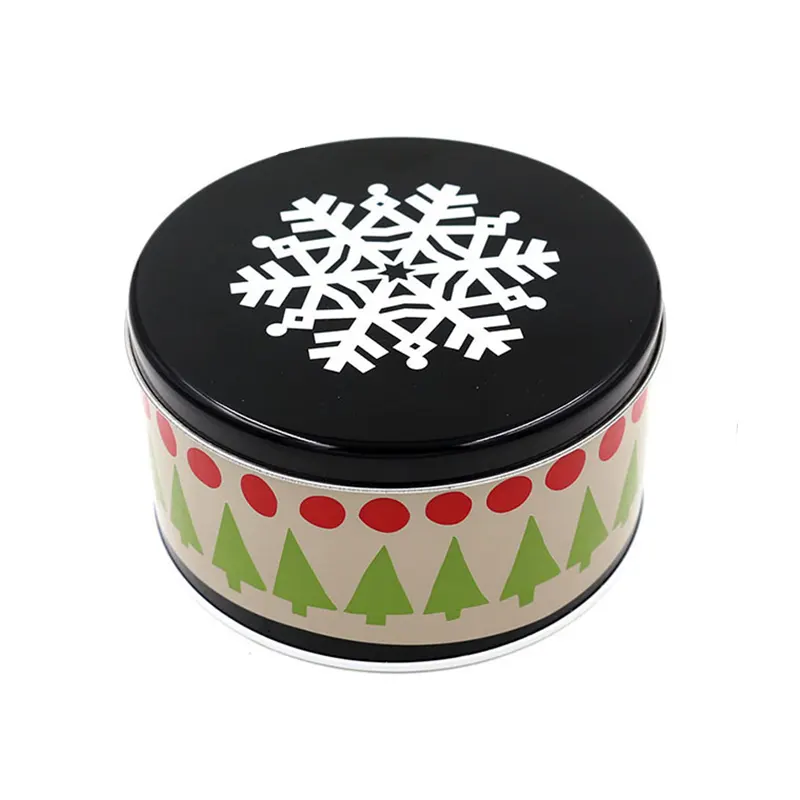
Приобретение жестяных коробок для пищевых продуктов требует строгой оценки для обеспечения безопасности продукции., соответствие нормативным требованиям, и долгосрочный доступ на рынок. Плохо проверенная упаковка может привести к химической миграции, загрязнение тяжелыми металлами, и дорогостоящие отзывы продуктов.
В этом руководстве объясняется, как оценивать материалы., сертификаты, методы тестирования, и поставщиков, чтобы вы могли с уверенностью выбирать пищевую жестяную упаковку для своей продукции..
Что делает жестяную коробку безопасной для пищевых продуктов
А пищевая жестяная коробка определяется не только металлической конструкцией, но и всей упаковочной системой, включая подложку, покрытие, и производственный контроль. Его безопасность зависит от того, сможет ли он предотвратить химическую миграцию в реальных условиях хранения и транспортировки, сохраняя при этом стабильность в различных типах пищевых продуктов и средах..
Многоуровневая структура безопасности
Жестяная упаковка для пищевых продуктов опирается на многоуровневую систему защиты, предназначенную для предотвращения прямого взаимодействия пищевых продуктов с поверхностями химически активного металла.. Основной материал, обычно жесть или сталь без олова, обеспечивает прочность конструкции, в то время как внутреннее покрытие действует как основной химический барьер.
Внешние покрытия и печатные слои дополнительно повышают долговечность и предотвращают загрязнение во время погрузочно-разгрузочных работ и транспортировки.. Вместе, эти слои обеспечивают долговременную стабильность даже под воздействием влаги, воздействие кислорода, и колебания температуры.
Основные требования безопасности при контакте с пищевыми продуктами
Чтобы квалифицироваться как пищевой, жестяная упаковка должна соответствовать строгим эксплуатационным и нормативным требованиям, обеспечивающим химическую безопасность на протяжении всего жизненного цикла.. Он не должен выделять вредные вещества в пищу при нормальном хранении или в экстремальных условиях., например, нагревание или воздействие кислоты. В то же время, для обработки чувствительных продуктов, таких как кислые соусы, требуется высокая коррозионная стойкость., масла, или соленые продукты. Соблюдение правил FDA или ЕС в отношении контакта с пищевыми продуктами имеет важное значение для утверждения на рынке и распространения..
Стандарты соответствия пищевого олова, которым вы должны соответствовать
Жестяная упаковка для пищевых продуктов должна соответствовать нормативным требованиям и системам качества, чтобы обеспечить безопасный контакт с пищевыми продуктами и предотвратить миграцию химических веществ.. Эти стандарты не являются обязательными; они определяют, может ли упаковка легально проникнуть на ключевые рынки, такие как США и ЕС..
Нормативные требования FDA и ЕС
Пищевая банка должна соответствовать правилам в отношении материалов, контактирующих с пищевыми продуктами, на целевых рынках.. В Соединенных Штатах, Управление по санитарному надзору за качеством пищевых продуктов и медикаментов регулирует вещества, контактирующие с пищевыми продуктами, в соответствии с 21 Требования CFR, в то время как Европейский Союз обеспечивает соблюдение Регламент Европейского Союза (ЕС) Нет. 1935/2004. Эти рамки гарантируют, что материалы и покрытия не выделяют вредные вещества в пищу при предполагаемых условиях использования..
Ключевые сертификаты и проверочные документы
Помимо соблюдения законодательства, поставщики должны продемонстрировать последовательный производственный контроль и проверку испытаний.. Общие сертификаты включают упаковку BRCGS., ПКФ, и ИСО 22000, которые ориентированы на системы гигиены, прослеживаемость, и предотвращение опасностей. Кроме того, покупатели должны запросить декларацию о соответствии (Документ) и отчеты сторонних лабораторий, такие как миграция и тестирование тяжелых металлов, для подтверждения фактической безопасности материала.
Безопасные материалы, используемые в жестяных коробках для пищевых продуктов
Выбор белой жести и основного металла
При выборе пищевой жестяной коробки, сначала следует оценить основной металл, использованный в конструкции контейнера.. Большая часть упаковки пищевых продуктов изготавливается из жести., который сочетает в себе низкоуглеродистую сталь с тонким оловянным покрытием для повышения коррозионной стойкости и уменьшения прямого взаимодействия пищевых продуктов с металлической поверхностью.
Некоторый поставщики пищевых консервов также используйте сталь без олова (ТФС) для применений, требующих более прочной адгезии лака. Прежде чем утвердить какой-либо материал, вы должны подтвердить, что субстрат соответствует ограничениям по содержанию тяжелых металлов и включает проверенную документацию о контакте с пищевыми продуктами..
Системы внутреннего покрытия, безопасные для пищевых продуктов
Внутреннее покрытие часто является наиболее важным слоем безопасности внутри консервной коробки для пищевых продуктов, поскольку оно отделяет продукт от металлической основы.. Если вы упаковываете кислоту, маслянистый, или продукты с высоким содержанием серы, неправильная система покрытия может быстро привести к коррозии, обесцвечивание, или химическая миграция.
Эпоксидно-фенольные покрытия до сих пор широко используются в пищевых продуктах общего назначения., в то время как полиэфирные системы, не содержащие BPA, становятся все более распространенными среди брендов, стремящихся уменьшить проблемы, связанные с BPA, и соответствовать более строгим ожиданиям рынка..
Поднимите свой бренд с помощью индивидуальной упаковки премиум-класса
Ключевые тесты безопасности жестяной упаковки для пищевых продуктов
Прежде чем утвердить любую жестяную упаковку для пищевых продуктов, вам следует убедиться, что материалы и системы покрытия прошли базовую проверку безопасности.. Хотя сертификаты подтверждают соответствие нормативным требованиям, лабораторные испытания предоставляют технические доказательства того, что упаковка может безопасно выдерживать реальное хранение., наполнение, и условий транспортировки, не влияя на пищевой продукт.
Миграция и тестирование тяжелых металлов
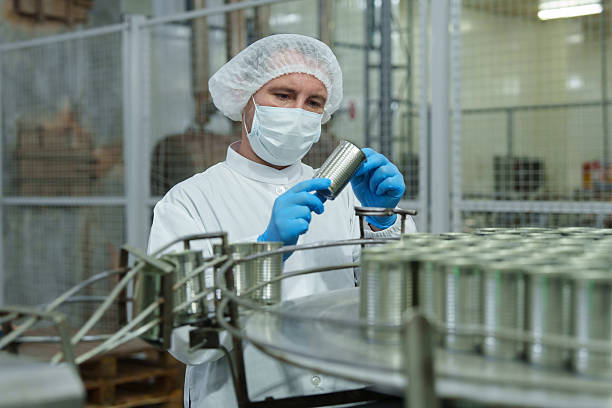
Тестирование на миграцию позволяет оценить, переходят ли вещества с покрытия или металлической поверхности в пищу при нормальных или наихудших условиях.. Лаборатории используют различные пищевые симуляторы для имитации кислотных, маслянистый, или водных продуктов при измерении химической стабильности с течением времени. Вам также следует запросить отчеты об анализе тяжелых металлов, подтверждающие, что запрещенные вещества, такие как свинец,, кадмий, и хром остаются ниже установленных законом порогов безопасности, требуемых правилами FDA или ЕС..
Проверка целостности покрытия и уплотнений
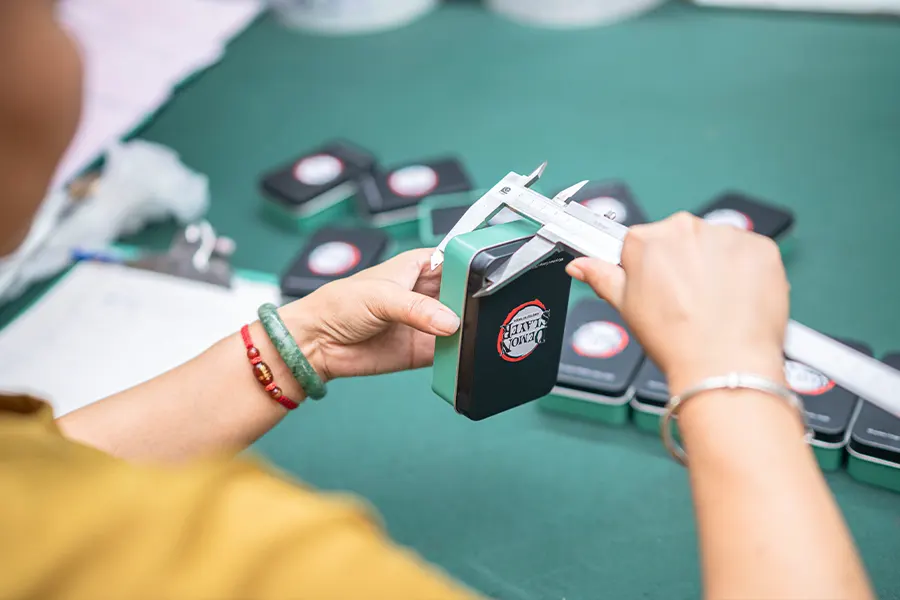
Даже соответствующие требованиям материалы могут выйти из строя, если внутреннее покрытие треснет или контейнер потеряет герметичность во время производства и распространения.. Надежные производители, поэтому, проверка адгезии покрытия, эффективность отверждения, структура шва, и устойчивость к утечкам, чтобы гарантировать, что упаковка сохраняет стабильный барьер на протяжении всего срока годности.. Эти испытания становятся особенно важными для вакуумной упаковки., возразил, или пищевые продукты с высоким содержанием влаги, даже небольшие дефекты которых могут увеличить риск загрязнения..
Риски, связанные с пищевой жестяной упаковкой, на которые следует обратить внимание покупателям
При покупке жестяных коробок для пищевых продуктов, многие проблемы безопасности возникают из-за неполной проверки, а не из-за очевидных дефектов упаковки.. Покупатели должны оценить документацию поставщика, совместимость покрытий, и системы контроля качества тщательно перед утверждением производства.
| Зона риска | Распространенная проблема | Потенциальное воздействие | Что покупатели должны проверить |
|---|---|---|---|
| Документы соответствия | Общие или устаревшие сертификаты | Нормативный отказ или проблемы с импортом | Текущий документ DoC и отчеты о тестировании миграции |
| Выбор покрытия | Неправильная подкладка для кислых или жирных продуктов | Коррозия, миграция, или вкус меняется | Совместимость покрытия с типом продукта |
| Контроль качества | Несоответствующее покрытие или проверка шва | Утечки или нарушения срока годности | Записи контроля качества и отслеживание партий |
| Контроль хэви-метала | Плохая проверка сырья | Соблюдение требований и риски безопасности | Отчеты об анализе тяжелых металлов |
| Отслеживание производства | Слабая система документации | Сложные отзывы и отслеживание дефектов | CAPA и процедуры отслеживания партий |
Как правильно выбрать пищевую жестяную коробку для разных продуктов
Кислые и высокочувствительные продукты
Если вы упаковываете кислые продукты, например продукты на основе цитрусовых., соленые огурцы, соусы, или обработанные овощи, вам нужно ставить устойчивость к коррозии превыше всего. Кислая среда может ускорить реакцию металла, если внутреннее покрытие выбрано неправильно., приводит к обесцвечиванию, металлический привкус, или проблемы миграции.
В этом случае, вам следует выбирать жесть или сталь, не содержащую олова, в сочетании с кислотостойкими покрытиями или покрытиями на основе полиэстера, которые специально разработаны для того, чтобы выдерживать условия низкого pH во время длительного хранения или термической обработки..
Галантерейные и кондитерские изделия
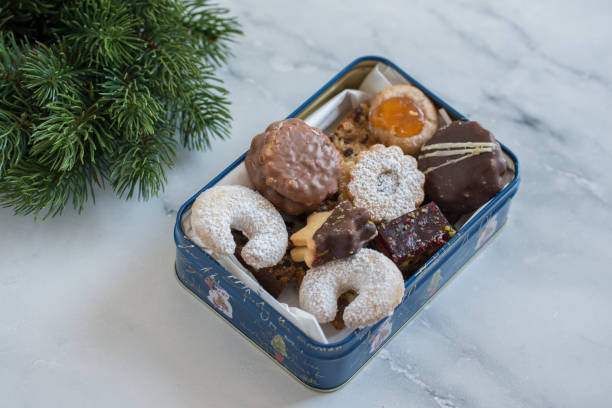
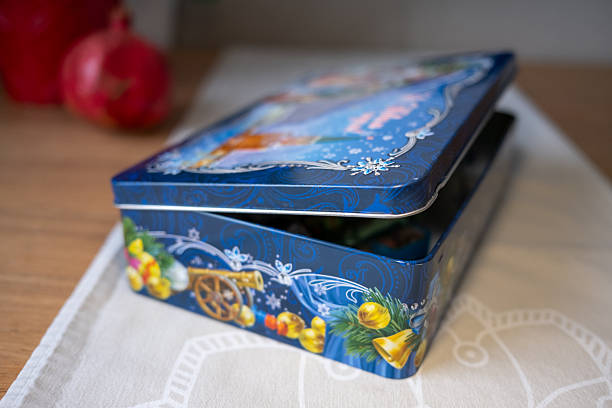
Для сухих продуктов, таких как кофе, чай, печенье, и порошкообразные продукты, основная проблема не химическая коррозия а влага, кислород, и защита аромата. В этих приложениях, обычно достаточно стандартной эпоксидно-фенольной или непреднамеренной системы покрытия BPA., до тех пор, пока это обеспечивает стабильный внутренний барьер.
Также следует обратить внимание на конструкцию крышки., потому что герметичное закрытие и правильная конструкция крышки играют ключевую роль в сохранении свежести и предотвращении потери вкуса во время распределения и хранения в розничной торговле..
жирный, Жирный, и продукты с высоким содержанием соли
Жирные продукты и продукты с высоким содержанием соли создают различную нагрузку на упаковочные материалы, поскольку жиры могут поглощать нежелательные запахи, а соль со временем ускоряет коррозию.. При выборе упаковки для орехов, масла, или консервированные продукты, вам следует убедиться, что внутреннее покрытие обладает высокой жиростойкостью и долгосрочной химической стабильностью.
В этих случаях, часто предпочитаются более толстые или специально разработанные эпоксидные или фенольные покрытия, чтобы уменьшить взаимодействие ароматизаторов и сохранить целостность продукта на протяжении всего срока его хранения..
Заключительные мысли
Приобретение стандартной жестяной упаковки без проверенного соответствия может быстро обернуться серьезной ответственностью, если повреждение покрытия или химическая миграция повлияют на ваш продукт.. Если вы создаете продуктовый бренд, вам не следует полагаться на словесные заявления о «безопасности пищевых продуктов» — для защиты вашего продукта вам необходимо четкое соблюдение требований FDA или ЕС, подкрепленное реальными данными испытаний на миграцию и тяжелые металлы., ваши клиенты, и ваш доступ к рынку.
Чтобы снизить риск закупок, работать с производителем, который может доказать безопасность данными, не обещает. Оловянные человечки фокусируется на пищевой жестяной упаковке с проверенными покрытиями., стабильный контроль производства, и OEM-настройка исходя из потребностей вашего продукта, помогая вам перейти от неопределенных поставок к более надежным, готовая к аудиту упаковочная система.
👉Свяжитесь с нами сегодня для обсуждения ваших OEM-спецификаций и создания полностью совместимой, готовая к аудиту линия снабжения.
Часто задаваемые вопросы
Какие документы должен предоставить надежный поставщик жестяной упаковки?
Надежный поставщик должен предоставить полный пакет соответствия, включая декларации о материалах, записи прослеживаемости на уровне партии, и отчеты сторонних лабораторий. В профессиональном поиске, главное не просто иметь сертификаты, но гарантируя, что они напрямую связаны с вашей конкретной структурой продукта и производственной партией..
Как определить, готов ли образец жестяной упаковки к производству??
Образец имеет смысл только в том случае, если он отражает реальные условия производства., не просто прототип. Вам следует оценить, является ли финишное покрытие, структура шва, и качество печати остаются стабильными при обращении и давлении. Многие ошибки при выборе поставщиков случаются, когда образцы выглядят правильно., но качество массового производства не соответствует.
Каков самый большой скрытый риск при покупке пищевого олова??
Наиболее упускаемый из виду риск — несоответствие между протестированными образцами и конечной серийной продукцией.. Даже если сертификаты действительны, изменения в партиях покрытий, условия отверждения, или поставщики сырья могут повлиять на окончательные показатели безопасности.. Этот разрыв часто приводит к неожиданным сбоям в цепочке поставок..
Как долго на практике действует сертификация пищевой консервной банки??
Хотя сертификаты могут иметь официальный срок действия, Реальное соответствие требованиям зависит от того, изменилась ли рецептура или производственный процесс.. Если покрытия, чернила, или источники сырья изменены, результаты предыдущих испытаний могут больше не полностью отражать текущую безопасность производства..
Все ли пищевые продукты требуют одинакового уровня испытаний на безопасность упаковки??
Нет. Требуемая интенсивность тестирования зависит от химического состава продукта., срок годности, и условия обработки. Высококислотный, с высоким содержанием жира, пищевые продукты или продукты, обработанные в автоклаве, обычно требуют более тщательной проверки, чем сухие продукты.. Квалифицированный поставщик должен корректировать глубину тестирования в зависимости от фактического риска применения., не применять единый стандарт ко всей продукции.