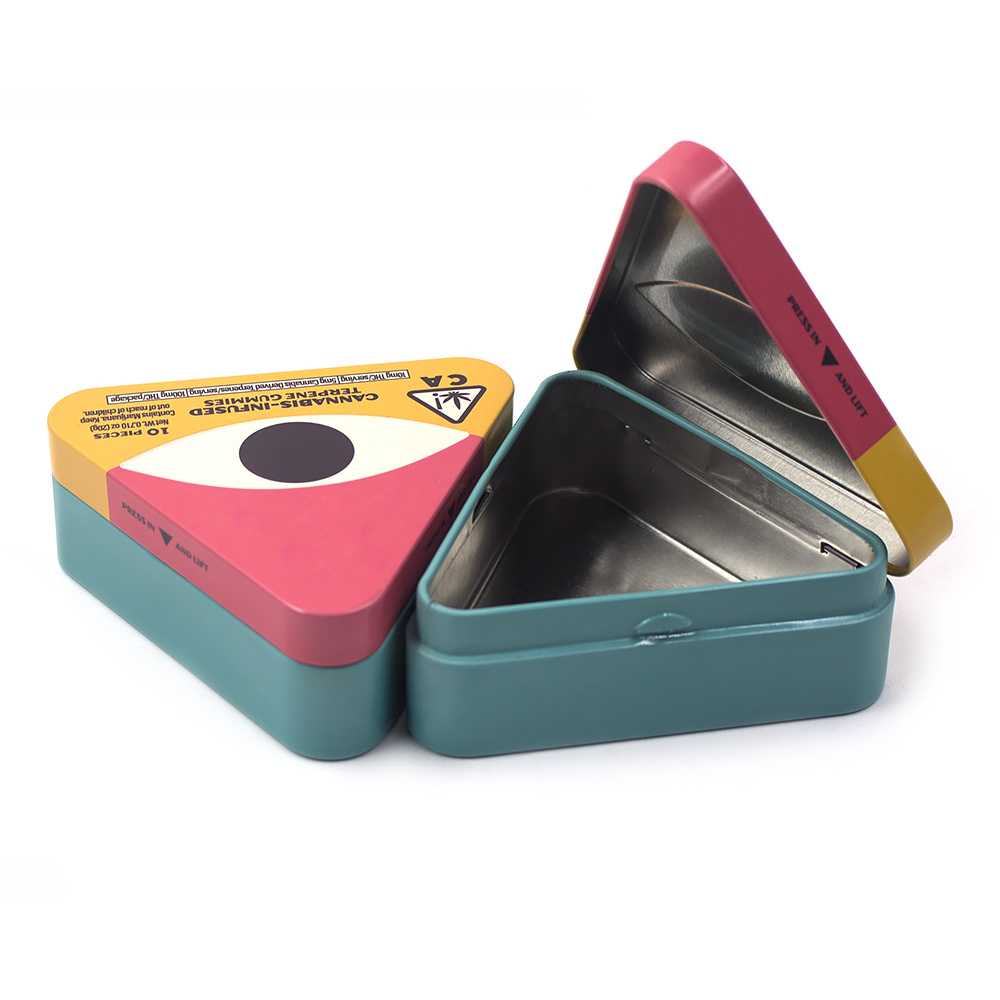
Lattine CR conformi all'approvvigionamento (Compresse/Capsule) richiede precisione assoluta per evitare richiami di prodotti e lanci ritardati sul mercato. Il mancato allineamento degli obblighi di test PPPA alle tolleranze di riempimento automatizzato trasforma l'imballaggio primario in un costoso collo di bottiglia operativo.
Questa ripartizione valuta i meccanismi richiudibili e a dose unitaria rispetto all'ISO 8317 e EN 14375 quadri normativi. Dettagliamo parametri dimensionali rigorosi, compreso 76-78 diametri mm per forniture di 30 giorni e rivestimenti epossidici BPA-NI di grado farmaceutico, garantendoti un formato di imballaggio conforme e scalabile.
Definire i requisiti di imballaggio per compresse e capsule
Il confezionamento di dosi solide orali richiede un preciso equilibrio tra protezione fisica contro fattori ambientali e una rigorosa aderenza alla sicurezza, resistenza ai bambini, e norme sull'etichettatura.
Protezione fisica e stabilità materiale
Le dosi solide orali sono esposte a minacce costanti dovute all'umidità, leggero, e shock meccanici durante il trasporto e lo stoccaggio. Facciamo affidamento su contenitori ermeticamente chiusi per proteggere questi prodotti e prevenirne il degrado fisico.
- Protezione del tablet: Scomparti interni o inserti all'interno a prova di bambino (CR) i barattoli limitano il movimento e prevengono l'impatto da tablet a tablet.
- Integrità della capsula: I gusci di gelatina dura richiedono controlli specifici dell'umidità per evitare di diventare fragili o morbidi, insieme allo stoccaggio rigoroso di seguito 30 °C per mantenere l'integrità strutturale e prevenire la contaminazione microbica.
- Controllo dell'umidità: Le formulazioni effervescenti e igroscopiche si basano su imballaggi a prova di umidità abbinati a sistemi essiccanti, come i contenitori di gel di silice integrati direttamente nel design dello stagno.
- Inerzia chimica: I barattoli di metallo utilizzano rivestimenti o rivestimenti interni specializzati per arrestare le reazioni chimiche tra il substrato metallico e gli ingredienti farmaceutici attivi (API).
- Sistemi compositi: I produttori spesso inseriscono blister o bottiglie primarie sigillate all'interno di barattoli CR per garantire una protezione barriera a livello di dose e ridurre lo stress meccanico.
Sicurezza, Conformità, e standard di etichettatura
Il rispetto dei parametri normativi non è negoziabile per il packaging farmaceutico. Ogni contenitore deve essere in linea con i mandati di sicurezza federali, requisiti di tracciabilità, e rigorosi controlli operativi.
- Resistenza infantile: L'imballaggio deve essere conforme alla legge sugli imballaggi per la prevenzione dei veleni (PPPA). Le lattine subiscono 16 CFR 1700.20 test per dimostrare che limitano l'accesso dei bambini pur rimanendo richiudibili e adatti agli anziani.
- Prova di manomissione: I solidi orali da banco impongono almeno una caratteristica di evidenza di manomissione, come una banda termoretraibile, guarnizione ad induzione, o busta interna sigillata. Le capsule di gelatina dura in due pezzi non sigillate richiedono un minimo di due caratteristiche anti-manomissione.
- Etichettatura obbligatoria: I barattoli mostrano nomi proprietari e generici, forma di dosaggio, forza, avvertimenti, numeri di lotto, e date di scadenza. Le dichiarazioni a prova di manomissione devono occupare una superficie che rimanga intatta anche in caso di rottura del sigillo.
- Serializzazione: Per soddisfare i mandati DSCSA, scatole e cartoni incorporano un identificatore univoco del prodotto insieme a un codice a barre 2D Data Matrix leggibile dalla macchina.
- Operazioni cGMP: Le strutture applicano severi controlli ambientali sulla temperatura, umidità, e livelli di particolato durante il riempimento di compresse o capsule aperte in barattoli.
Comprendere le normative a prova di bambino per l'imballaggio farmaceutico
Le confezioni farmaceutiche a prova di bambino devono bilanciare rigorose soglie di sicurezza infantile con l’usabilità da parte degli adulti, richiedendo una certificazione rigorosa in tutti i quadri globali come il PPPA, ISO 8317, e EN 14375.
Quadri giuridici e standard fondamentali per le scatole CR
Orientarsi nel rispetto della conformità degli imballaggi farmaceutici significa progettare per più enti normativi contemporaneamente. È necessario soddisfare mandati specifici a seconda del mercato e del formato di dispensazione previsto per il prodotto.
- NOI. Legge sugli imballaggi per la prevenzione dei veleni (PPPA): Obbliga l'imballaggio a prova di bambino per i farmaci da prescrizione orali e la maggior parte dei farmaci da banco a dose solida.
- Applicazione della regolamentazione: Gli Stati Uniti. Commissione per la sicurezza dei prodotti di consumo (CPSC) impone questi meccanismi di apertura fisica, mentre la FDA regola le esatte dichiarazioni sull'etichettatura dei farmaci che confermano le caratteristiche di resistenza ai bambini.
- ISO 8317: Definisce i requisiti internazionali per gli imballaggi richiudibili. Questo standard si applica direttamente alle scatole metalliche CR multidose che i pazienti aprono e chiudono quotidianamente.
- IN 14375: Regola gli imballaggi farmaceutici non richiudibili in Europa. È necessario seguire questo standard quando si utilizzano contenitori CR come involucri esterni contenenti blister monodose destinati ad essere monouso.
Requisiti di test e certificazione delle prestazioni
Guadagnare una certificazione a prova di bambino richiede il superamento fisico, prove a tempo con pannelli utente reali. Non è possibile autocertificarsi basandosi sulla teoria del design; è necessario sottoporre l'imballaggio fisico a laboratori di analisi accreditati.
- Panel test sui bambini: I protocolli di test espongono la confezione ai bambini di età compresa 42 A 51 mesi. Almeno 85% deve non riuscire ad aprire la scatola prima di una dimostrazione visiva, E 80% deve ancora fallire dopo aver visto un amministratore di test aprirlo.
- Usabilità adatta agli anziani: I meccanismi di sicurezza non possono impedire ai potenziali utilizzatori di assumere i loro farmaci. Il test richiede 90% degli adulti invecchiati 50 A 70 per aprire e richiudere correttamente il pacco entro un intervallo di cinque minuti.
- Certificazione completa del sistema: I produttori devono testare l'intero assemblaggio dell'imballaggio. Ciò include il corpo in stagno, il meccanismo di chiusura, ed eventuali guarnizioni interne. Non è possibile testare un coperchio isolatamente e dichiarare che l'intera confezione è conforme.
- Trigger di rivalutazione: Qualsiasi modifica allo spessore del metallo della latta, geometria di chiusura, o il trattamento superficiale invalida automaticamente la certificazione e avvia un nuovo ciclo di test obbligatorio.
Mantenere una conformità rigorosa previene costosi richiami e ritardi dei prodotti. Blocca in anticipo le tue specifiche e comunica con il tuo partner di imballaggio prima di modificare qualsiasi dimensione fisica.
Barattoli premium a prova di bambino per mercati regolamentati
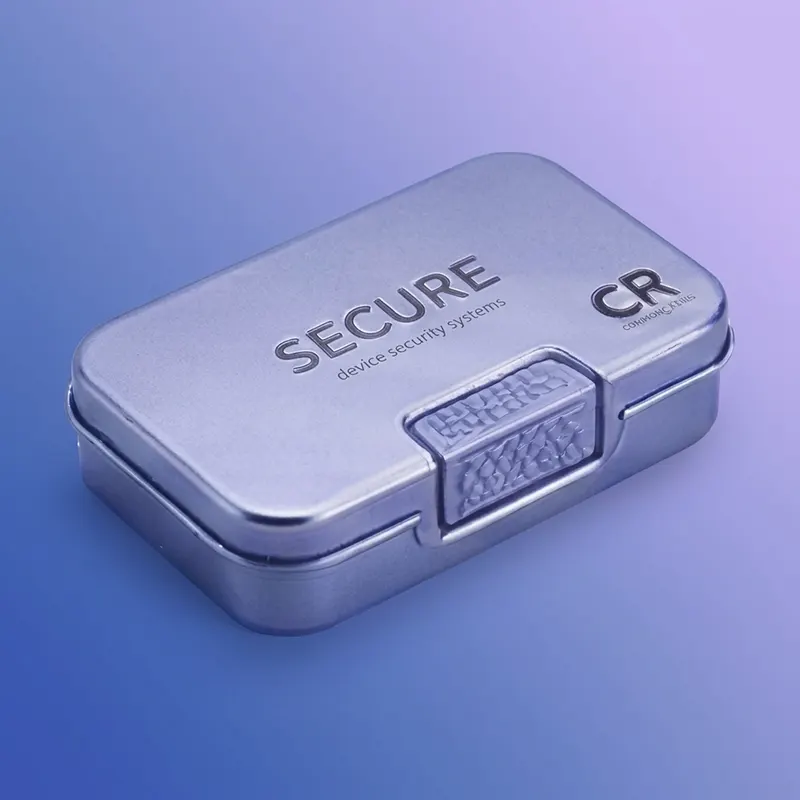
Scegli il giusto design a prova di bambino
Il giusto design a prova di bambino bilancia i livelli di pericolo del prodotto con l'usabilità da parte degli adulti, garantire la conformità attraverso flaconi richiudibili o blister non richiudibili durante l'intero ciclo di vita del prodotto.
Richiudibile vs. Opzioni di imballaggio non richiudibili
Il formato della confezione determina il meccanismo a prova di bambino. Basi questa scelta direttamente sul modo in cui i pazienti dispensano il medicinale e sul livello di rischio intrinseco del farmaco stesso.
- Formati richiudibili: Utilizzare un flacone o una chiusura a prova di bambino per compresse e capsule multidose erogate ripetutamente nel tempo.
- Formati non richiudibili: Selezionare blister o strip per presentazioni a dose unitaria per limitare strettamente l'accesso ripetuto da parte dei bambini.
- Corrispondenza del rischio: Abbina prodotti ad alta tossicità a robuste confezioni di strisce per creare limitazioni di accesso più forti.
- Durabilità del ciclo di vita: Confermare che la confezione mantenga le sue proprietà a prova di bambino attraverso tutte le aperture e chiusure previste fino a quando il paziente non termina il medicinale.
Standard normativi e requisiti di usabilità
Superare il controllo normativo significa soddisfare rigorosi parametri di test. È necessario dimostrare che il progetto tiene fuori i bambini sotto i cinque anni pur rimanendo completamente accessibile e utilizzabile per gli adulti.
- Standard globali: Testare gli imballaggi richiudibili rispetto agli standard ISO 8317 e confezioni farmaceutiche non richiudibili contro EN 14375 per verificare la conformità.
- NOI. requisiti del mercato: Segui la Commissione per la sicurezza dei prodotti di consumo (CPSC) norme delineate in 16 CFR 1700 per garantire che l'imballaggio limiti l'accesso dei bambini.
- Verifica meccanica: Applicare la norma BS EN ISO 13127:2012 test meccanici quando si apportano modifiche minori alle confezioni a prova di bambino esistenti per confermare la prestazione continua.
- Usabilità per adulti: Verificare che la confezione fornisca istruzioni chiare per l'apertura e la richiusura in modo che gli adulti non abbiano mai difficoltà ad accedere ai propri farmaci.
Seleziona materiali sicuri e durevoli per contenitori farmaceutici
I contenitori farmaceutici richiedono un equilibrio preciso di acciaio in banda stagnata e rivestimenti interni specializzati per bloccare l'umidità, prevenire le interazioni farmacologiche, e mantenere la sicurezza a prova di bambino.
Metalli primari per l'integrità strutturale e la protezione delle barriere
L'acciaio stagnato funge da base per i contenitori di dosaggio solidi. Il denso substrato metallico blocca completamente l'umidità, ossigeno, leggero, e microrganismi per proteggere il prodotto farmaceutico. Quando le compresse presentano un'elevata sensibilità all'umidità, i produttori integrano fogli e inserti di alluminio leggero in design ibridi di stagno. Queste aggiunte creano una chiusura ermetica secondaria che blocca l'ambiente esterno.
La precisione meccanica determina le prestazioni di questi metalli sul campo. Gli operatori mantengono rigide tolleranze dimensionali per garantire un prodotto sicuro, vestibilità coerente con meccanismi di chiusura a prova di bambino. Le metriche di base standard includono:
- Altezza obiettivo: 170 mm
- Diametro interno: 98 minimo mm
Rivestimenti interni e rivestimenti per la compatibilità chimica
I rivestimenti interni di grado farmaceutico costituiscono la difesa primaria tra il guscio metallico e il farmaco. Queste barriere specializzate prevengono le interazioni metallo-farmaco, arrestare la migrazione degli ioni metallici, e proteggere il substrato esterno in acciaio dal cloruro o dalla degradazione acida.
Gli ingegneri dell'imballaggio applicano BPA-NI (Bisfenolo-A senza intenzione) vernici epossidiche o poliestere direttamente sulle superfici interne. Questa applicazione crea una zona di contatto inerte che rispetta rigorosamente le linee guida di sicurezza della farmacopea.
Le strutture di prova valutano questi rivestimenti per estraibili e rilasciabili simulando condizioni di stoccaggio estreme. Questo rigoroso protocollo di test garantisce che la confezione non rilasci sostanze nocive nel farmaco per tutta la sua durata di conservazione.
Adatta le dimensioni e il design della lattina a diversi formati di dosaggio
L'allineamento delle dimensioni e delle chiusure della lattina con i regimi di dosaggio prescritti garantisce la conformità normativa garantendo al contempo la sicurezza e l'aderenza del paziente.
| Regime di dosaggio | Dimensioni consigliate della latta | Capacità dell'unità | Profilo di chiusura adatto |
|---|---|---|---|
| Corso breve / Kit iniziali | 50 X 50 mm quadrato o 80 X 58 rettangolare mm | 10-20 unità | Cerniera a filo con doppi punti di chiusura |
| Cronico (Una volta al giorno) | 76-78 diametro mmx 30 altezza mm | 28-30 unità | Premi e gira / Premi e gira |
| Cronico (Due volte al giorno) | 76-78 diametro mmx 45 altezza mm | 56-60 unità | Chiusure a pulsante |
Correlare le dimensioni della latta con i regimi di dosaggio
È necessario allineare la capacità del contenitore direttamente alle durate del trattamento prescritte. Un pacchetto farmaceutico di successo dimensiona il suo formato per adattarsi al programma del paziente, assicurandosi che abbiano la fornitura esatta necessaria tra una visita e l'altra in farmacia.
- Forniture standard da 30 giorni: Distribuire 76-78 teglie tonde diametro mm con a 30-45 altezza mm. Questa impronta accoglie 28-30 unità in singoli strati per terapie una volta al giorno, E 56-60 unità in vassoi concentrici a doppio strato per programmi due volte al giorno.
- Regimi per corsi brevi: Scegli compatto 50 X 50 mm quadrato o 80 X 58 geometrie rettangolari da mm. Queste dimensioni si confezionano perfettamente 10-20 unità per trattamenti acuti come antibiotici o kit di avvio per la titolazione.
- Distanze interne: Verificare che l'altezza interna superi la dimensione massima della tavoletta (fino a 22 mm). Tenere conto delle pareti del vassoio, spazio essiccante, e spazio libero sul coperchio per evitare di schiacciare le forme di dosaggio al momento della chiusura.
Configurare gli accessori interni e i meccanismi di chiusura
Lo stagno esterno funge da barriera, ma allestimenti interni e specifici meccanismi di chiusura regolano l'accesso e l'organizzazione. Sono necessarie caratteristiche strutturali che mantengano intatto il farmaco bilanciando la resistenza dei bambini con l'usabilità da parte degli adulti.
- Organizzazione della dose: Integra vassoi stampati o blister rigidi all'interno della scatola. Questo distanzia adeguatamente compresse e capsule, stabilisce una rigorosa organizzazione della dose unitaria, e limita i movimenti interni durante il trasporto.
- Chiusure ad alto rischio: Proteggi i farmaci tossici o con restrizioni elevate utilizzando serrature a pulsante o coperchi a rotazione e spinta a più fasi. Queste chiusure richiedono una sequenza di apertura specifica per bloccare con successo l'accesso dei bambini.
- Chiusure a rischio moderato: Applicare coperchi con cerniera metallica dotati di doppi punti di chiusura per i prodotti a basso rischio. Questa configurazione fornisce una protezione antimanomissione di base mantenendo semplice l'accesso degli adulti.
- Zone informative: Assegnare zone piatte distinte nell'architettura in lamiera. È necessaria una superficie dedicata per supportare l'etichettatura normativa obbligatoria, garantire le istruzioni di dosaggio, dati batch, e le avvertenze di sicurezza rimangono altamente leggibili.
Valutare i produttori e la documentazione di conformità
Fornitori veterinari sull'esperienza specifica sulla dose solida orale, compatibilità con il riempimento automatizzato, e una rigorosa documentazione di conformità, inclusi test ASTM F1272 e sistemi di qualità GMP.
Valutazione del produttore e capacità tecniche
L’approvvigionamento di contenitori a prova di bambino richiede la collaborazione con produttori che comprendano i formati di dosaggio dei solidi orali. L’esperienza generale nel settore degli imballaggi in metallo non si traduce facilmente in requisiti farmaceutici o nutraceutici. Hai bisogno di partner che costruiscano contenitori rotondi dedicati per multivitaminici o contenitori rettangolari specifici per array di capsule.
- Affidabilità della chiusura: I meccanismi di spinta e rotazione o di compressione e scorrimento devono impedire l'accesso dei bambini ai test PPPA pur rimanendo utilizzabili per pazienti adulti e anziani.
- Precisione dimensionale: Le dimensioni interne e l'altezza delle pareti devono adattarsi al numero esatto di compresse e integrarsi perfettamente con i blister o le buste monodose esistenti.
- Compatibilità con l'automazione: I design dei bordi e le tolleranze di apertura devono supportare il riempimento automatizzato standard, tappatura, sigillo di sicurezza, e apparecchiature di etichettatura ad alta velocità.
Documentazione normativa e di sicurezza essenziale
Le affermazioni sulla resistenza dei bambini e sulla sicurezza dei materiali non significano nulla senza dati concreti. Il fornitore di imballaggi deve fornire rapporti di test e certificazioni specifici in linea con le normative sul contatto con farmaci e alimenti. Non accettare certificati di struttura generici al posto di test specifici del prodotto.
- Test di resistenza ai bambini: Richiedi rapporti di prova diretti che verifichino ASTM F1272, CPSIA, e certificazioni EN71 per l'esatto corpo in stagno e il meccanismo di chiusura che intendi utilizzare.
- Certificati di sicurezza dei materiali: Richiedere la prova che la banda stagnata, acciaio riciclabile, e i rivestimenti interni soddisfano i requisiti di contatto alimentare FDA e la California Proposition 65 limiti.
- Dati sulle prestazioni della barriera: Esaminare i tassi di trasmissione del vapore acqueo (WVTR) e risultati dei test essiccanti integrati per confermare che il sistema mantiene la stabilità della compressa a lungo termine.
- Gestione della qualità: Richiedere prove dell'ISO 9001 certificazione, allineamento GMP farmaceutico, e robusti sistemi di numerazione dei lotti che garantiscono la completa tracciabilità dei lotti.
Domande frequenti
Quali sono le migliori scatole di metallo per confezionare compresse e capsule?
Flaconi per pillole specializzati in alluminio e barattoli per medicinali in banda stagnata sono le scelte migliori. L'alluminio fornisce barriere superiori all'umidità e all'ossigeno per proteggere le formulazioni sensibili, e offre una protezione completa dalla luce. Entrambi i materiali si integrano facilmente con quelli a prova di bambino (CR) chiusure. Richiedono lacche interne di grado farmaceutico per impedire al medicinale di reagire con la superficie metallica.
Come confezionare correttamente le capsule in barattoli di metallo?
Le capsule necessitano di un ambiente di imballaggio controllato. È necessario mantenere la temperatura tra 10–30 °C e 40–60% di umidità relativa in modo che le capsule non diventino fragili o appiccicose. Puoi posizionarli direttamente in una scatola rivestita internamente o utilizzare la scatola come guscio esterno protettivo sopra i blister. È necessario lasciare uno spazio di testa adeguato, utilizzare guarnizioni comprimibili nel coperchio per bloccare l'umidità, e includono pacchetti essiccanti per prodotti altamente sensibili.
Quali caratteristiche rendono una scatola di capsule o una latta a prova di bambino?
A prova di bambino (CR) il packaging si basa su meccanismi che richiedono due azioni simultanee, come un coperchio premi e gira o un manicotto premi e fai scorrere. Questi progetti impediscono ai bambini sotto i cinque anni di accedere ai farmaci pur rimanendo accessibili agli adulti. Per qualificarsi come CR, l'imballaggio deve superare severi protocolli di test come ISO 8317 O 16 CFR 1700.20. Questi test almeno lo verificano 85% dei bambini non riesce ad aprire il contenitore.
Come faccio a scegliere la dimensione corretta per un barattolo di pillole??
La dimensione della lattina dipende dalle dimensioni della pillola, il conteggio della dose richiesta, e lo spazio necessario per l'etichettatura. Capsule standard (misurare 00) sono circa 23 mm di lunghezza, mentre le compresse comuni variano da 5 a 10 mm. Una latta per la conformità quotidiana progettata per contenere 7 A 14 le unità presentano tipicamente dimensioni interne di 50–70 mm di lunghezza e 25–35 mm di larghezza. Dovresti sempre includere un cuscinetto di 3-5 mm attorno alle pillole in modo che gli utenti possano prenderle facilmente.
Quali standard di materiali e sicurezza si applicano alle scatole metalliche farmaceutiche?
Le scatole farmaceutiche seguono rigorosi parametri di purezza per prevenire la contaminazione. Il metallo stesso di solito richiede 99.85% stagno puro per trattenere le impurità tossiche come il piombo, arsenico, e antimonio al di sotto di rigorosi limiti di sicurezza. I produttori fanno riferimento anche a linee guida come USP <662> e gli standard UE sul contatto alimentare per verificare che le lacche interne e i metalli non rilascino elementi dannosi nelle compresse durante la loro durata di conservazione.
Cosa devo cercare quando scelgo un contenitore per tablet principale?
È necessario abbinare le prestazioni di barriera del contenitore alle vulnerabilità specifiche del farmaco. Le compresse altamente sensibili all'umidità o alla luce richiedono soluzioni ermetiche e resistenti alla luce, come barattoli di alluminio rivestiti internamente o bottiglie di vetro ambrato. Il contenitore selezionato deve inoltre prevenire lo schiacciamento durante il trasporto e rispettare i requisiti normativi in materia di sicurezza dei materiali e integrità della chiusura.
Considerazioni finali
Mentre l’imballaggio generico offre costi iniziali inferiori, investire in barattoli a prova di bambino completamente certificati è l'unico modo per salvaguardare il tuo marchio dai richiami normativi e dal degrado del prodotto. I contenitori metallici progettati con precisione superano i rigorosi test PPPA e bloccano le minacce ambientali in modo che la tua linea di integratori si adatti senza attriti legali. Compromettere sui rivestimenti interni o sui meccanismi di chiusura espone l'intera operazione a responsabilità inutili.
Non tirare a indovinare la conformità dell'imballaggio: verificala tramite test fisici. Ti consigliamo di iniziare con un ordine di campione per testare i nostri meccanismi di chiusura e gli accessori interni rispetto al tuo formato di dosaggio specifico. Contatta i nostri ingegneri del packaging per definire le specifiche OEM e garantire la documentazione di conformità richiesta prima del prossimo ciclo di produzione.