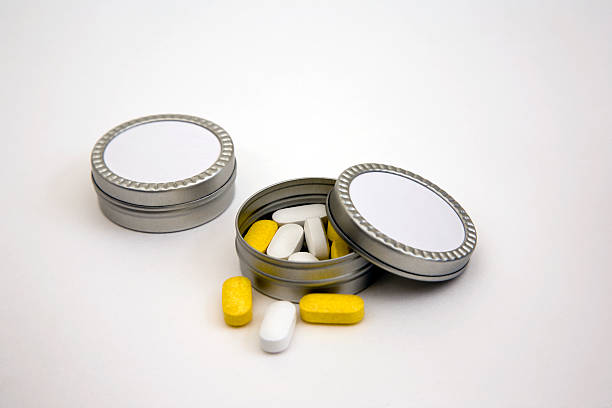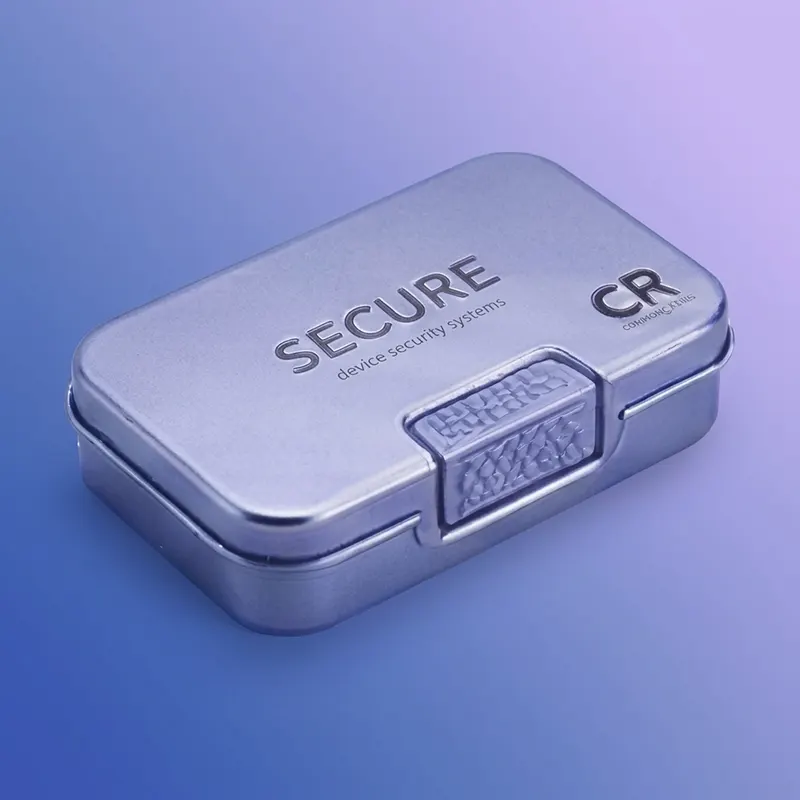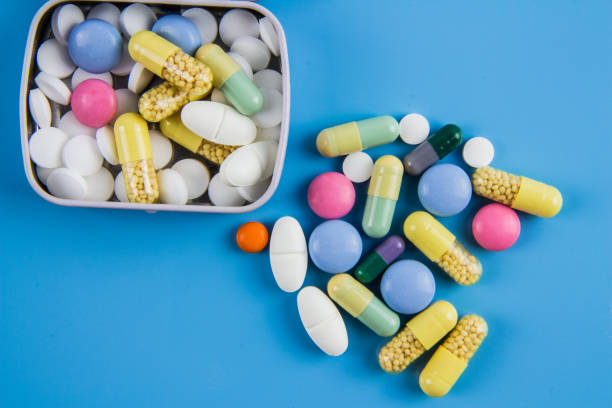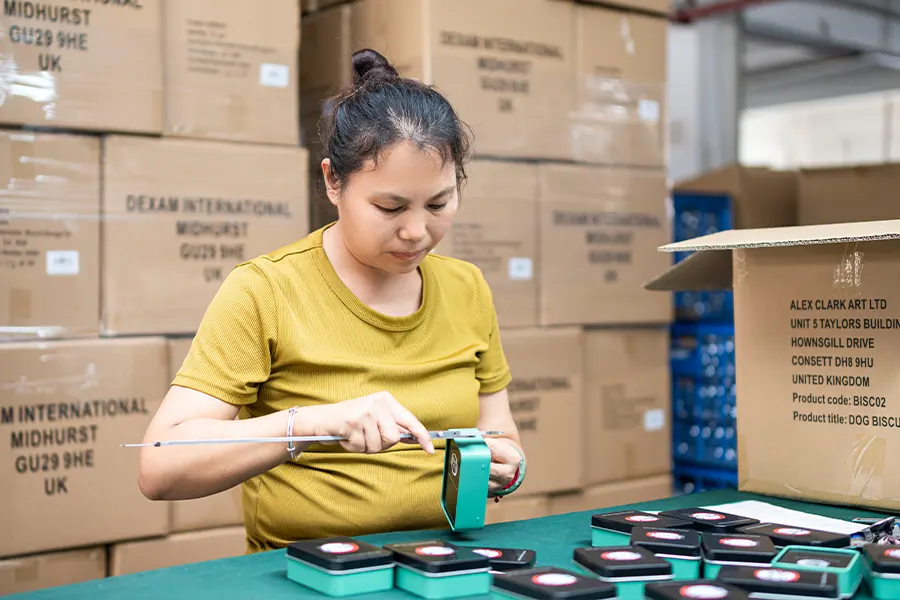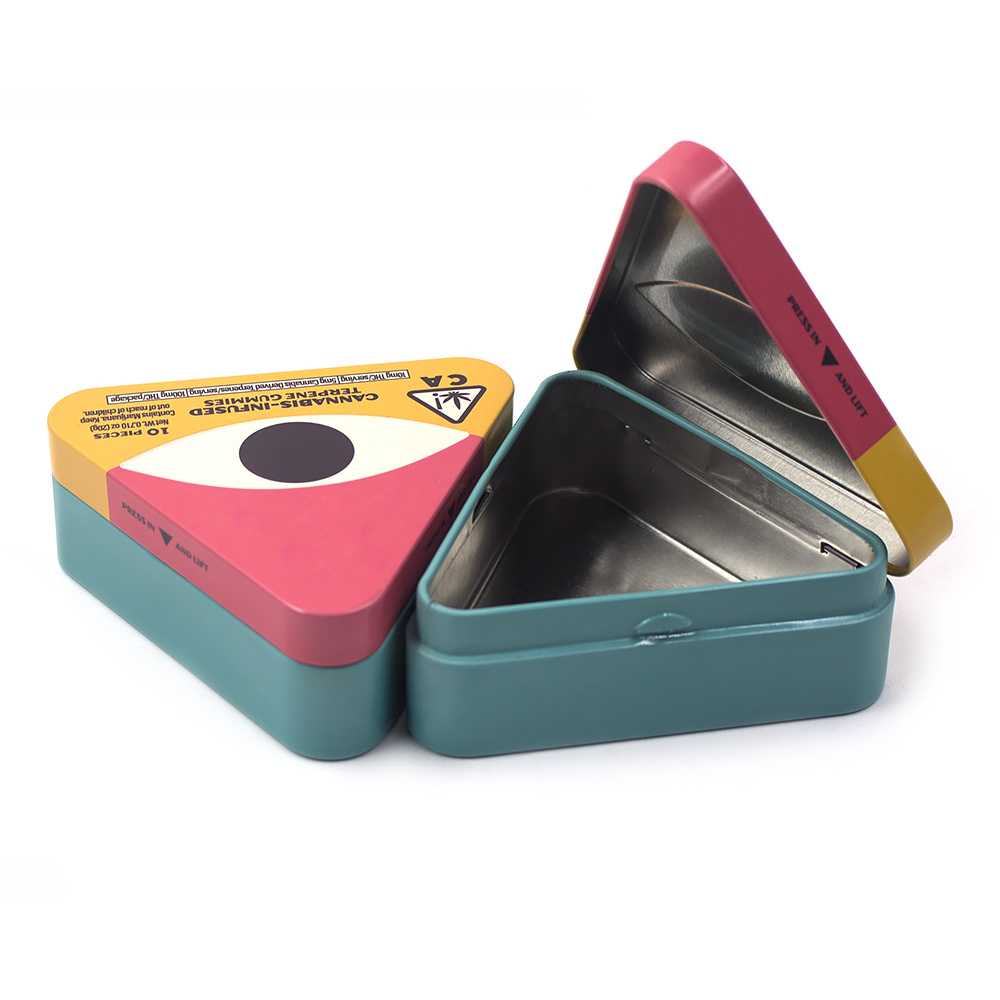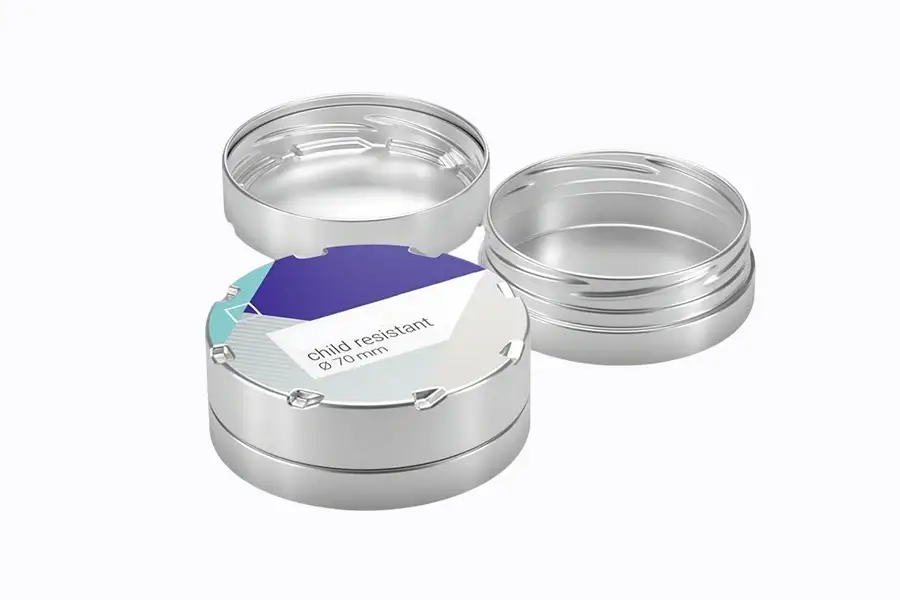
Child-resistant tins work well for healthcare products because they combine controlled access, regulatory compliance, and reliable product protection in one packaging format. They help reduce accidental ingestion risks while remaining practical for everyday patient use. In regulated markets, they are widely adopted for medicines and nutraceuticals where safety cannot be compromised. 이 가이드에서는, you will learn how they deliver these benefits and what makes them suitable for healthcare applications.
Benefits of Child-Resistant Tins in Healthcare
Child-resistant tins combine safety protection, regulatory compliance, and practical usability in healthcare packaging. They are widely used for prescription medicines, OTC drugs, and nutraceuticals, where child safety and adult access must both be ensured. The following benefits explain why they are a reliable solution for healthcare applications.

Reduced Risk of Accidental Pediatric Exposure
Child-resistant tins significantly lower the likelihood of accidental ingestion by children through engineered multi-step opening systems. Controlled access design uses push-and-turn or squeeze-and-turn mechanisms that are difficult for young children to operate while remaining manageable for adults.
This helps reduce accidental access in household environments where medications may be stored within reach. The design provides an additional layer of protection against preventable poisoning incidents involving prescription and over-the-counter products.
Strong Regulatory Compliance Support
These tins are designed to meet stringent global pharmaceutical packaging standards, helping brands reduce compliance risk and improve market access. They are commonly aligned with regulatory frameworks such as the US Poison Prevention Packaging Act and testing standards like 16 CFR 1700.20. Internationally, they are frequently evaluated under ISO 8317 for reclosable child-resistant packaging performance. This makes them suitable for pharmaceutical and healthcare brands operating across multiple regulated markets.
Improved Usability for Adult Patients
Effective healthcare packaging must remain accessible to intended users, including elderly patients and individuals with reduced hand strength. Child-resistant tins are engineered to balance safety with usability, ensuring that adult patients can reliably open and reseal the container. This supports consistent daily medication routines and reduces the risk of patients transferring products into non-secure alternative packaging, which could compromise safety.
Enhanced Physical Protection of Medical Products
Beyond access control, metal tins provide strong structural and environmental protection for sensitive healthcare products. The rigid tinplate structure helps prevent crushing and deformation during transportation and handling. It also provides a strong barrier against light, 수분, and oxygen exposure, which can degrade active pharmaceutical ingredients. This ensures better stability and longer shelf life for sensitive formulations.
How Child-Resistant Tins Prevent Accidental Access
Child-resistant tins prevent accidental access by introducing intentional complexity into the opening process. Unlike standard closures that rely on simple lifting or twisting, these containers require coordinated actions that young children cannot consistently understand or perform.
Multi-Step Opening Actions
Child-resistant tins typically use push-and-turn or squeeze-and-turn mechanisms that combine multiple motions into a single opening sequence.
These actions require both directional rotation and applied pressure, creating a barrier that is difficult for children under five to replicate. The combined motion design ensures that casual handling or repeated attempts do not easily lead to successful opening.
Physical and Cognitive Limitations in Children
The effectiveness of child-resistant designs is closely linked to the developmental limitations of young children. Children often lack the hand strength, finger coordination, and sequential problem-solving ability required to complete the opening steps. Even when they can manipulate the container, they are unable to consistently execute the full mechanical sequence needed to unlock it.
Controlled Accessibility for Adult Users
While designed to block child access, these mechanisms are calibrated to remain usable for adults, including elderly patients.
The required force and motion sequence are balanced within an accessibility threshold that allows adults to open and reseal the tin without excessive effort. This ensures that safety features do not interfere with daily medication use or long-term treatment adherence.
Design Validation Through Usability Testing
Child-resistant mechanisms are validated through standardized testing to ensure consistent performance in real-world conditions. These evaluations measure both child resistance and adult usability under controlled protocols, confirming that the packaging meets required safety thresholds while remaining practical for intended users.
Certified Child-Resistant Tins For Regulated Markets

Healthcare Applications of Child-Resistant Tins
Child-resistant tins are used across healthcare and pharmaceutical industries to secure products that require controlled access, especially where accidental ingestion or misuse could pose serious health risks. When you select packaging for regulated or high-risk healthcare products, you need solutions that balance safety, compliance, and usability.

Prescription and Over-the-Counter Medicines
When you are packaging prescription drugs or OTC medications, child safety and household accessibility become critical considerations.
These products often contain active pharmaceutical ingredients that require controlled access to prevent accidental ingestion in home environments. Child-resistant tins help you reduce this risk while maintaining clear labeling space for dosage instructions and safety information. Their rigid structure also supports long-term storage stability across the supply chain.
Nutraceuticals and Dietary Supplements
If you are working with vitamins or dietary supplements, especially high-dose or iron-containing formulations, child safety requirements still apply.
Child-resistant tins help you secure nutraceutical products that could pose toxicity risks if accidentally consumed by children. They are commonly used for herbal extracts, concentrated supplements, and daily wellness products, ensuring both product integrity and household safety.
Specialty Healthcare and Household Medical Products
For topical treatments, veterinary medicines, or other healthcare-related products, you often need controlled access packaging beyond standard pharmaceutical use cases.
Child-resistant tins allow you to safely store medicated balms, oral care adjuncts, and similar products while maintaining usability for adult caregivers. This makes them suitable for shared household environments where multiple types of healthcare products are stored together.
Regulatory Requirements for Healthcare CR Packaging
Healthcare child-resistant packaging must comply with strict regulatory standards to ensure both child safety and adult usability. When you select child-resistant tins for medical or nutraceutical products, compliance determines whether your packaging can be legally marketed in regulated regions such as the United States, Europe, and other global healthcare markets.
Key frameworks commonly referenced in healthcare packaging include US PPPA requirements under 16 CFR 1700.20 and the ISO 8317 standard for reclosable child-resistant packaging. These standards ensure that packaging meets both child resistance and adult accessibility expectations through controlled usability testing.
- United States compliance: Evaluated under PPPA and 16 CFR 1700.20 testing protocols
- European standard: ISO 8317 for reclosable child-resistant packaging performance
- Other regions: UK and Australia typically align with ISO-based or equivalent national standards
- Core requirement: Balance child resistance with verified adult usability through standardized testing
How to Choose the Right Child-Resistant Tins

Match the Tin to Your Product Type
Different healthcare products require different levels of protection and internal design. For solid-dose medications, you need a structure that prevents tablet movement and breakage. For supplements and nutraceuticals, the focus is more on moisture protection and storage stability.
For topical or specialty products, you should ensure the container design supports safe handling and controlled dispensing. Selecting the right configuration helps reduce product damage and improve overall user experience.
Select the Appropriate Child-Resistant Mechanism
The opening system directly determines both safety performance and usability. Push-and-turn and squeeze-and-turn mechanisms are the most common solutions for healthcare tins, as they create multi-step access that is difficult for children but manageable for adults. When you choose a mechanism, you should ensure it matches your target user group, especially if elderly patients or long-term medication use are involved.
Verify Compliance and Testing Documentation
Before finalizing any packaging decision, you should confirm that the design has been tested under relevant regulatory standards. Look for evidence of compliance with frameworks such as PPPA requirements in the United States or ISO 8317 for international markets. You should also ensure that testing includes both child resistance and adult usability under real-world conditions, not just empty-container evaluations.
Evaluate Material Protection and Supply Chain Fit
The material and structural design of the tin should match your distribution and storage conditions. You should consider whether the packaging can withstand transportation stress, temperature changes, and handling during retail or pharmacy distribution. 동시에, the container should maintain product integrity by protecting against moisture, 빛, and physical impact throughout the supply chain.
최종 생각
While flexible plastic packaging may offer lower upfront costs, certified child-resistant metal tins provide stronger protection against regulatory risks and accidental pediatric exposure in healthcare applications. Their rigid tinplate structure helps maintain product integrity and supports compliance expectations across regulated markets. Choosing a reliable solution like 주석 남자 ensures your packaging meets both safety and usability requirements for sensitive medical products.
To reduce compliance uncertainty, it is recommended to validate packaging performance through physical samples before full-scale production. Tin Men offers OEM child-resistant tin solutions tailored to your product dimensions, regional standards, and usability needs.
👉Contact our team today to discuss your requirements and develop a compliant, market-ready healthcare packaging solution.
자주 묻는 질문
Are metal tins inherently child-resistant?
Standard metal tins are not child-resistant. To meet regulatory compliance, manufacturers integrate specific multi-step locking mechanisms like push-and-turn or squeeze-and-slide lids. Testing labs must then certify these designs through formal protocols like 16 CFR Part 1700 or ISO 8317 to guarantee they restrict pediatric access.
Do CR tins provide tamper evidence for healthcare products?
A child-resistant mechanism restricts access but does not indicate if a product has been opened. Healthcare tins require additional security elements like break-away rings, printed shrink bands, or heat-induction foil seals. These integrated features create the irreversible, visible evidence of first opening that medical packaging regulations demand.
Are child-resistant metal tins a sustainable packaging option?
예. Steel and aluminum are durable, highly recyclable materials that align with circular economy initiatives. Using metal CR tins reduces reliance on mixed plastics that recycling facilities reject. They also eliminate the need for redundant secondary cartons while maintaining required safety and barrier standards.
Can older adults easily open child-resistant tins?
Certified CR packaging must pass specific senior-friendly evaluations. During testing, panels of adults aged 50–70 must successfully open and re-secure the container within defined time limits. Engineers design these mechanisms with larger grip surfaces and intuitive opening actions to assist users with reduced hand strength or arthritis.
What types of healthcare products are best suited for CR tins?
These rigid containers work best for high-potency oral solids, medical cannabis therapeutics, high-risk nutraceuticals, and specialized diagnostic devices. They provide strong physical protection against crushing, 수분, and light while strictly controlling child access to hazardous or potent doses.