Packaging plays a crucial role in product protection, 운송, and consumer experience. But with growing environmental concerns, many are asking: Should we use plastic or paper packaging?
This article explores the pros and cons of both materials with a detailed comparison of sustainability, 성능, 비용, 그리고 미래의 트렌드. We’ll also answer common questions such as:
- Is paper biodegradable?
- Is plastic renewable or nonrenewable resource?
- What are the recycling pros and cons?
- What packaging issues are most pressing today?
Sustainability and Environmental Impact
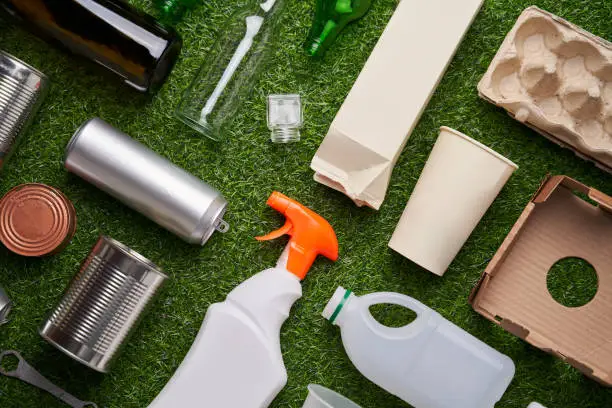
♻️ Is Paper Biodegradable?
예. Paper is biodegradable, making it a strong choice for eco-conscious packaging.
- Fast decomposition
Paper decomposes in weeks under natural conditions, reducing long-term waste accumulation.
- Compostable in most environments
Uncoated paper breaks down safely in compost, contributing to soil health when disposed of properly.
- Less harmful to marine life
플라스틱과 달리, paper is less likely to entangle or poison wildlife in oceans and rivers.
- Comes from renewable resources
Sourced from responsibly managed forests, paper is part of a renewable cycle when certified by bodies like FSC.
- Sustainability depends on coatings
Laminated or wax-coated paper may delay decomposition and reduce recyclability.
🛢️ Is Plastic Renewable or Nonrenewable Resource?
Plastic is primarily made from petroleum, which is a nonrenewable resource.
- Derived from fossil fuels
Most traditional plastics are made using petroleum and natural gas, contributing to carbon emissions.
- Finite availability
As oil reserves deplete, the long-term viability of plastic manufacturing becomes more questionable.
- Environmental persistence
Plastics take centuries to break down, creating long-lasting waste in landfills and oceans.
- Innovations in bioplastics
Some modern plastics are made from corn starch or sugarcane, but they are still in early stages of development and often non-compostable.
- Dependency on oil markets
Plastic prices fluctuate with oil prices, linking packaging costs to global energy trends.
Packaging Performance and Durability
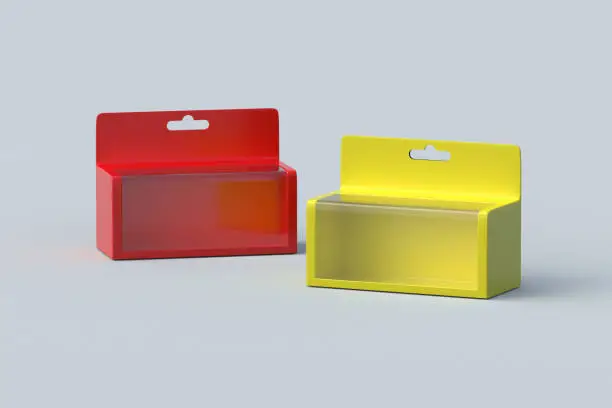
📦 Plastic Box Packaging: Durable and Protective
Plastic packaging is ideal for situations that require strength, flexibility, and moisture resistance.
- Superior water resistance
Plastic is impervious to water, making it essential for frozen foods, liquids, or humid environments.
- Longer shelf life
Airtight seals protect products from bacteria, 곰팡이, 그리고 부패, which is critical in food and pharma industries.
- Impact resistance
Plastic containers absorb shocks and prevent breakage, reducing damaged returns and loss.
- Transparency and visibility
Plastic box packaging can be made see-through, allowing customers to view the product inside—a significant retail advantage.
- Reusable potential
Many plastic boxes can be reused multiple times before disposal, especially in storage or bulk packaging.
📄 Paper Packaging: Natural, but Less Resilient
Paper offers biodegradability and branding advantages, but it has limitations in performance.
- Poor moisture resistance
Unless coated, paper absorbs water, which can lead to structural failure or product spoilage.
- Lower tensile strength
Paper tears and crumples more easily than plastic, particularly during shipping or stacking.
- Heavier in bulk
High-strength paperboard options can add weight, increasing logistics costs.
- Sustainable appearance
The natural look of paper appeals to eco-conscious consumers and aligns with green branding.
- Limited reusability
Paper degrades with each use and is typically single-use unless specially reinforced.
Cost and Economic Considerations
💰 Plastic: Cost-Effective at Scale
Plastic remains the most affordable option for mass production and distribution.
- 단가 절감
In bulk, 플라스틱 포장 is significantly cheaper to manufacture than paper equivalents.
- Energy-efficient production
Producing plastic uses less energy per kilogram than making paper, although its environmental toll is higher long-term.
- Lightweight saves shipping
Plastic’s low density cuts down on transportation emissions and fuel costs.
- High-speed production
Automation and mold-injection systems make plastic packaging faster and more efficient to produce.
- Design flexibility reduces waste
Complex shapes can be molded with minimal material, reducing excess packaging.
📦 Paper: Higher Upfront Cost, Longer-Term Benefit
While more expensive, paper can support brand image and reduce environmental tax costs.
- Increased raw material and processing costs
Paper production involves multiple energy-intensive steps like pulping, drying, and pressing.
- More expensive transportation
Paper is heavier and bulkier than plastic, resulting in higher shipping fees.
- Eco taxes and plastic bans
In areas where plastic is taxed or restricted, paper may become the more cost-effective long-term solution.
- Perceived value by consumers
Many customers are willing to pay more for paper packaging if it aligns with their sustainability values.
- Recycled paper can lower costs
Using post-consumer materials reduces dependence on virgin pulp and minimizes overall environmental impact.
Recycling: Pros and Cons You Should Know
🔄 Recycling Pros and Cons of Plastic
- ✅ Pros
- Recyclable in many forms (애완 동물, HDPE, 등.)
- Saves raw materials and energy when done properly
- Can be reused in new products like containers, furniture, or clothing fibers
- Recyclable in many forms (애완 동물, HDPE, 등.)
- ❌ Cons
- Not all plastics are recyclable—multi-layer or contaminated plastics often end up in landfills
- Requires sorting and specialized facilities, which many regions lack
- Recycled plastic often loses quality and can only be recycled a limited number of times
- Not all plastics are recyclable—multi-layer or contaminated plastics often end up in landfills
🔄 Recycling Pros and Cons of Paper
- ✅ Pros
- High recyclability and wide infrastructure support
- Can be recycled multiple times before fiber degradation
- Easier sorting and lower contamination risks compared to plastic
- High recyclability and wide infrastructure support
- ❌ Cons
- Energy-intensive recycling process
- Coated or waxed paper cannot be recycled with regular paper
- Quality of recycled paper declines over time, requiring blending with virgin pulp
- Energy-intensive recycling process
The Three Major Problems in Modern Packaging
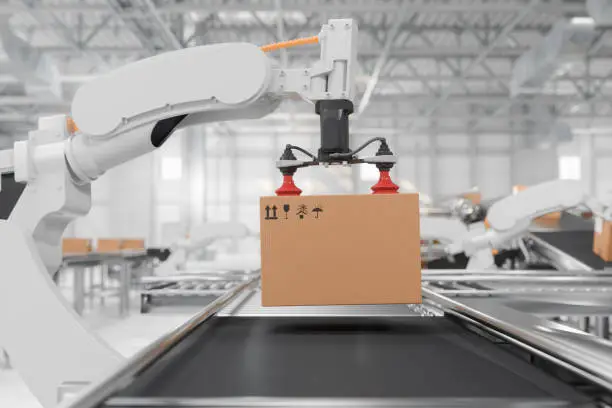
Overuse of Nonrenewable Materials
- Heavy reliance on plastic, 에이 nonrenewable resource, contributes to pollution and resource depletion.
- Single-use packaging dominates many industries despite the availability of alternatives.
- Most materials still come from virgin sources rather than recycled streams.
Poor End-of-Life Solutions
- Limited recycling infrastructure and inconsistent waste management globally.
- Lack of consumer education on proper disposal methods.
- Confusing labeling on packaging leads to contamination in recycling systems.
Inefficient and Excessive Packaging
- Many products are over-packaged for aesthetic reasons or false security.
- Excessive packaging leads to increased costs and environmental burden.
- Design often prioritizes branding over recyclability or space efficiency.
Future Packaging Trends
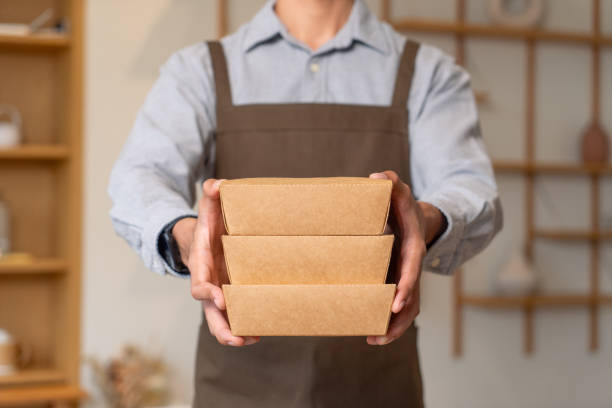
Rise of Biodegradable and Compostable Materials
- Growth in demand for plant-based bioplastics, compostable paper films, and algae-based solutions.
- More companies are committing to zero-waste goals and moving toward regenerative materials.
- Packaging certifications like OK Compost and TUV are gaining importance.
Refillable and Reusable Systems
- Refilling stations and reusable containers are becoming mainstream in beauty, cleaning, and food sectors.
- Brands are redesigning packaging to allow multiple uses before disposal.
- Circular economy models are being adopted to minimize raw material extraction.
똑똑한, Minimal Packaging
- Use of QR codes and embedded sensors to provide instructions or authentication, reducing printed inserts.
- Streamlined designs that use fewer materials and are easier to recycle.
- Intelligent supply chain data helps optimize packaging size and material usage.
결론: Which Should You Choose?
There’s no universally “최상의” packaging material—it depends on your product, brand, and values.
- Choose plastic when you need moisture resistance, 내구성, and cost-efficiency.
- Opt for paper if your brand emphasizes sustainability and biodegradability.
- Understand the recycling pros and cons of each material, and consider your local infrastructure.
- Remember that is paper biodegradable? Yes—but only if it’s uncoated and disposed of properly.
- And when asking is plastic renewable or nonrenewable resource?—plastic is overwhelmingly nonrenewable.
For businesses seeking both sustainability and performance, hybrid packaging solutions, smart design, and recycling-friendly materials may offer the best path forward.
TINMEN이 당신을 도와드립니다
~에 주석 남자 United Industry Limited, 우리는 고객의 요구를 충족시키기 위해 맞춤화된 탁월한 서비스를 제공하는 데 자부심을 느낍니다.. 우리의 포괄적인 서비스 제공은 효율성을 보장합니다, 신뢰할 수 있음, 프로세스의 모든 단계에서 고객 만족.
우리의 서비스에는 주로 다음이 포함됩니다.:
- 신속한 대응
- 생산능력
- 배송 이점
- 원스톱 서비스
- 안정적인 공급망
도움이 필요하시면 언제든지 저희에게 연락해주세요..