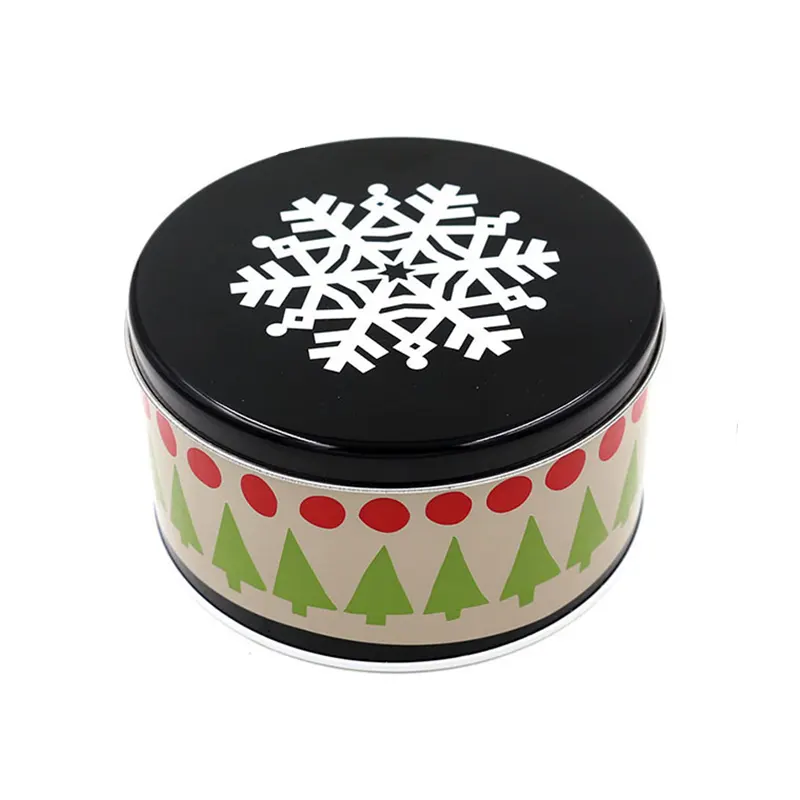
You’ve probably wondered, 주석 상자는 재활용이 가능한가요?? Whether you’re looking at a cookie tin you’ve emptied or a decorative tin that’s seen better days, it’s a good question. Tin boxes are not just a practical packaging solution; they’re also pretty charming. But as we become more conscious of sustainability, it’s essential to know where they fit in the recycling world. 그래서, let’s break it down and get into the nitty-gritty of what makes tin boxes an eco-friendly option.
What Are Tin Boxes?
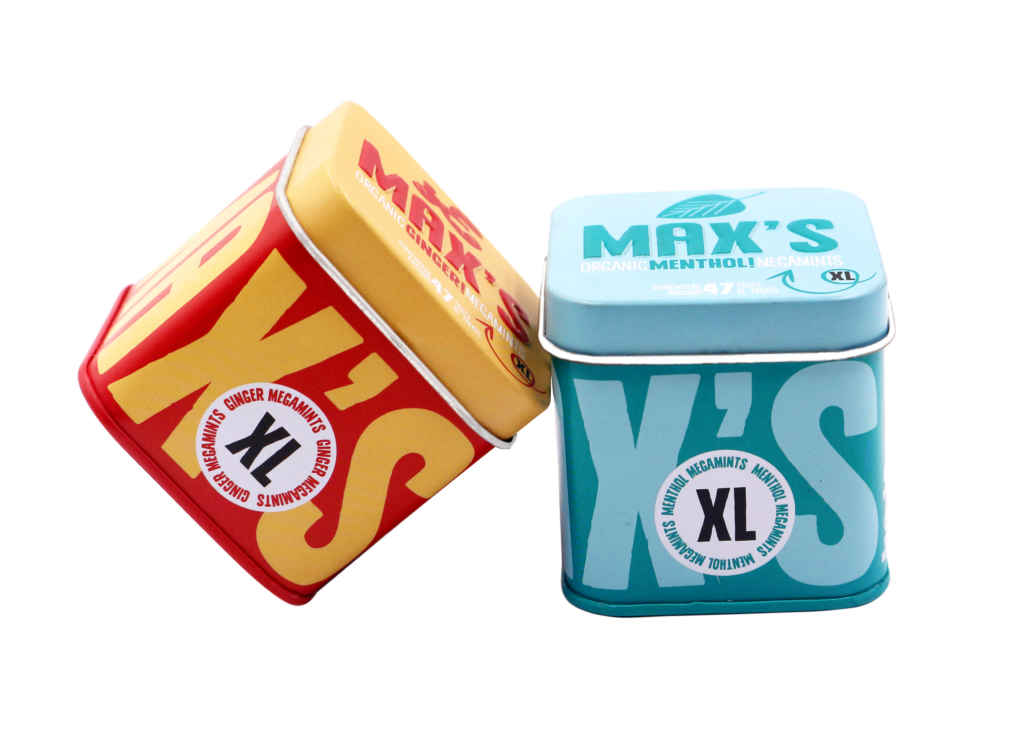
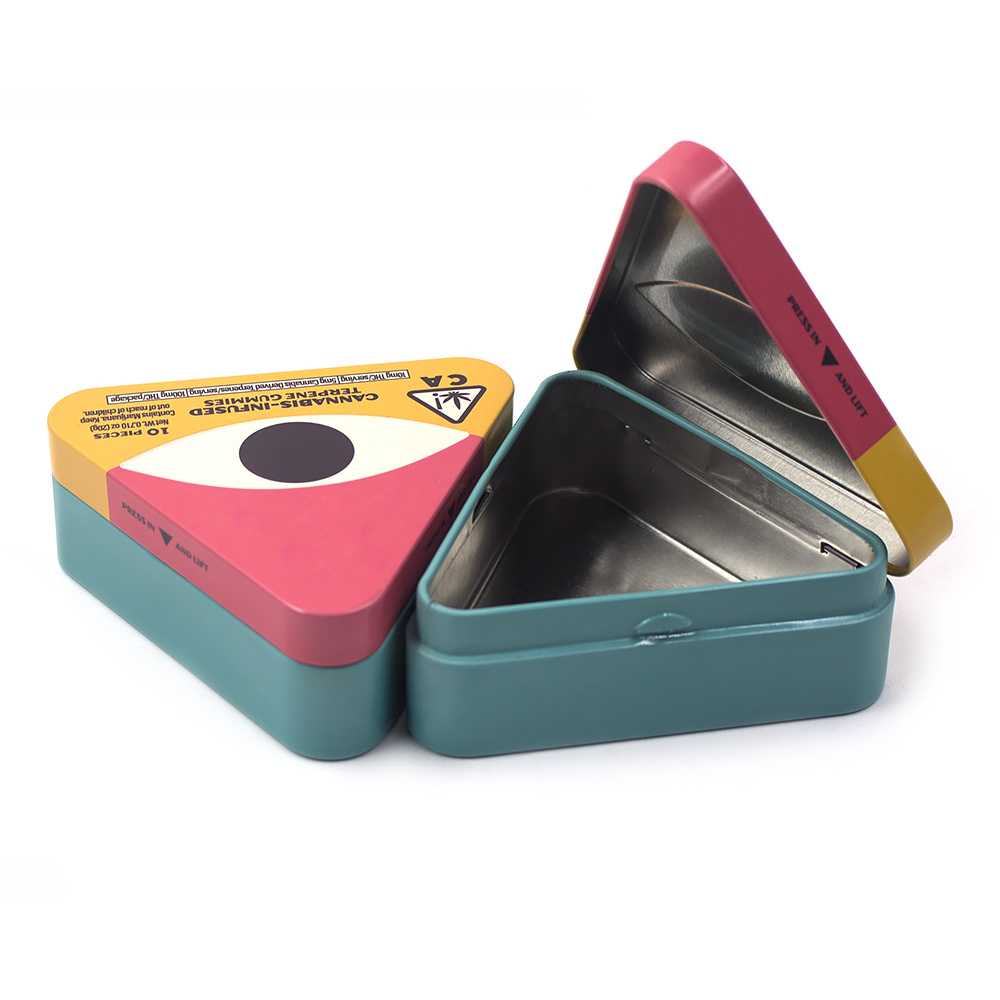
주석 상자, despite the name, aren’t actually made of pure tin. Most of them are crafted from tin-plated steel, which is a thin layer of tin applied over steel to prevent rusting. These containers are popular because they’re durable, shiny, and often reusable. You see them used for food packaging, cosmetic containers, and even as gift boxes. They’re sturdy, 경량, and can take on just about any shape or design. Basically, they’re the MVP of metal packaging.
주석 상자는 재활용 가능합니까??
짧은 대답? 전적으로. 주석 상자 are 재활용 가능, and not just in some complicated, only-for-experts way. These boxes, with their tin-plated steel structure, can be tossed in with your regular metal recycling. They’re one of the most recyclable materials out there. 사실은, steel (which tin boxes are primarily made from) is the most recycled material on the planet. That means your old cookie tin has the potential to be reborn as something entirely new—maybe even another tin box!
What Makes Tin Boxes Recyclable?
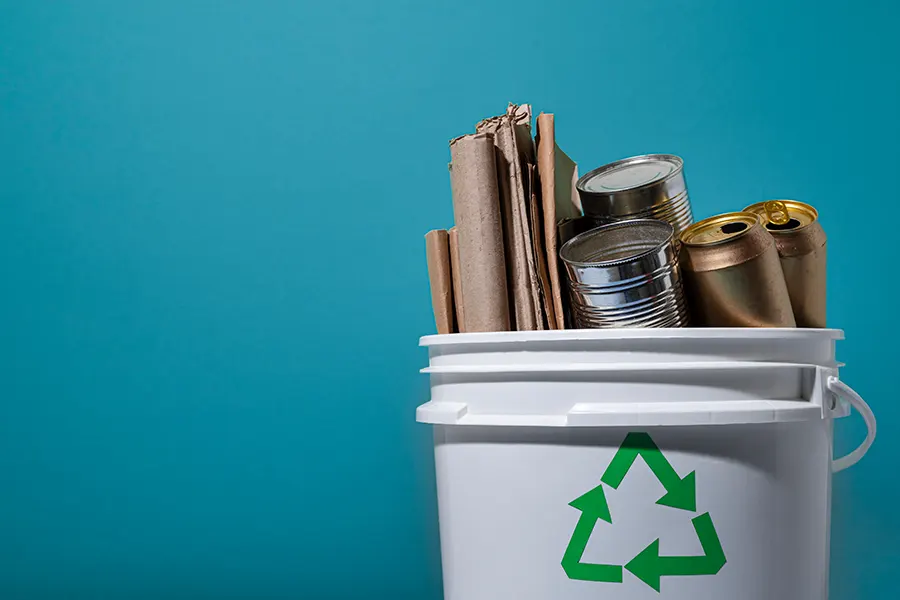
Tin boxes have a lot going for them when it comes to recyclability. 첫 번째, they’re made from metal, which can be melted down and reused repeatedly without losing strength or quality. That’s like having a rechargeable battery—only it doesn’t run out. The tin plating helps protect the steel from corrosion, which is great for keeping things fresh but also fantastic when it comes to recycling. This durable structure ensures that tin boxes last longer in their original form and can be easily processed when recycled.
The Recycling Process of Tin Boxes
Ever wonder what happens to your tin boxes after you toss them in the recycling bin? It’s not magic—there’s a process.
- Collection and Sorting: 첫 번째, the tin boxes are collected and sorted at a recycling facility.
- Shredding: 다음, the boxes are shredded into small pieces to make the melting process more efficient.
- Melting: After shredding, the pieces are heated in a furnace to remove the tin coating and melt the steel.
- Purification and Reforming: The molten metal is then purified and reformed into new steel products.
It’s like giving your tin box a fresh start—without the cookie crumbs!
Types of Tin Boxes That Can Be Recycled
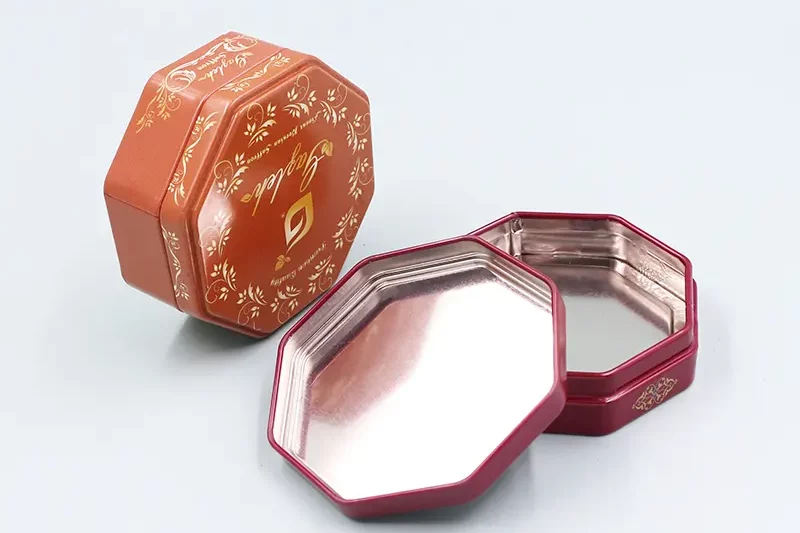
Food-Grade Tin Boxes
You know those tins that used to hold your holiday treats or your favorite brand of tea? Yep, they’re totally recyclable. Food-grade tin boxes are designed to keep food fresh, and once they’ve served their purpose, they can be thrown in the recycling bin to start a new life. Just make sure to clean out any food residue before recycling.
Non-Food Tin Containers
It’s not just food containers that get a second chance. Non-food tin containers—think cosmetics tins, 양초 통, and even those funky decorative tins—are also recyclable. Just like their food-grade counterparts, these tins can be recycled into new metal products. Pro tip: If your tin container has non-metal parts (like plastic lids), remove them before recycling.
Are All Tin Boxes Recyclable?
The good news is, 예, 대부분의 주석 상자는 재활용 가능합니다.! Whether it’s a 쿠키 주석 상자, tea tin, or even a candle tin, these metal containers can be tossed into your recycling bin. 하지만, there are some factors to consider, like whether the tin has any non-recyclable parts (plastic lids, 예를 들어) or if it’s lined with a material that complicates recycling. In general, though, tin-plated steel, the main material for most tin boxes, is widely accepted in recycling programs. Let’s break it down by type.
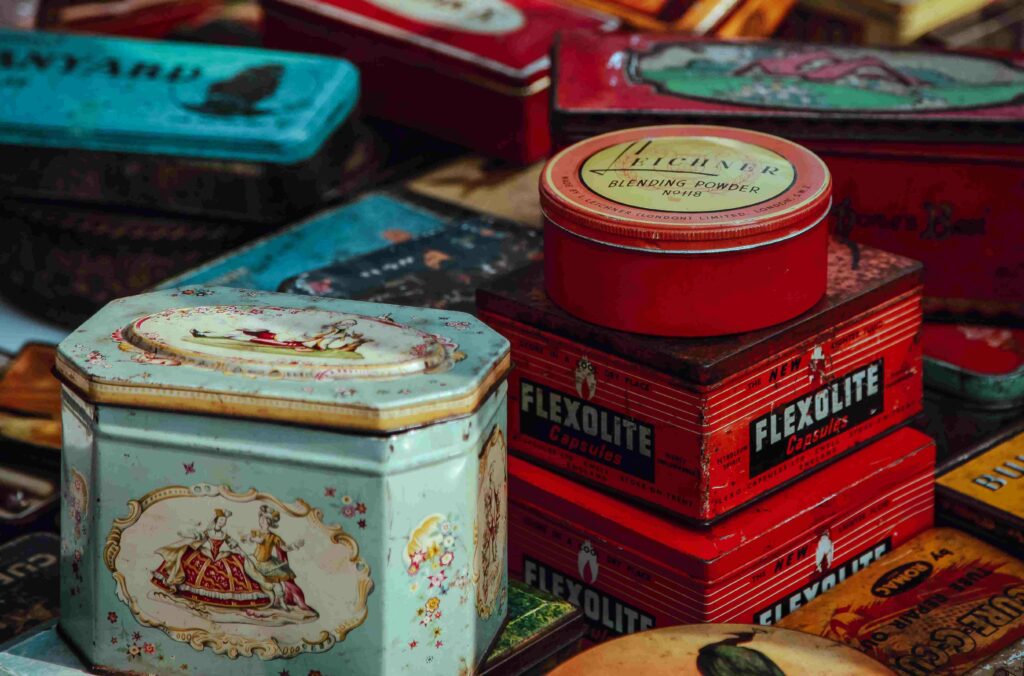
1. Are Cookie Tins Recyclable?
예, 쿠키 틴 are recyclable! These classic containers are often made from tin-plated steel, which can be easily recycled. Just make sure to clean out any crumbs or food residue before tossing them in the recycling bin.
2. Are Tea Tins Recyclable?
전적으로! Tea tins, like cookie tins, are usually made from recyclable metal. If they have paper or plastic labels, it’s best to remove those if possible, but the tin itself can go straight into the recycling bin.
3. Are Coffee Tins Recyclable?
예, 커피 통 are also recyclable. Whether it’s a classic metal can or a trendy tin, it can be recycled. Just make sure to empty any leftover coffee grounds, give it a rinse, and remove any labels or coffee bags before sending it to the recycling bin.
4. Are Popcorn Tins Recyclable?
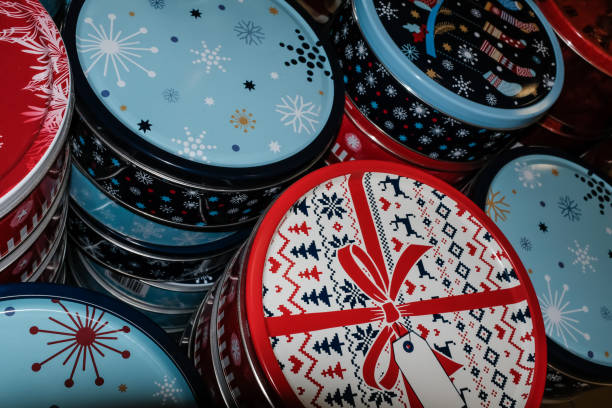
Popcorn tins? You bet! These large, often decorative tins are perfect candidates for recycling. As with any food container, make sure it’s cleaned out before recycling to avoid contamination.
5. Are Candle Tins Recyclable?
Definitely. Once your candle has burned down, the tin can be cleaned out and recycled. You’ll need to remove any leftover wax, as well as any non-metal elements like wicks or labels, but the tin itself is good to go.
6. Are Mint Tins Recyclable?
예! Those small, handy mint tins are also recyclable. Just like with larger tins, clean them out and recycle them with your other metal materials.
7. Are Candy Tins Recyclable?
For sure! Candy tins are made from the same recyclable materials as other tin containers. Whether it’s a decorative holiday tin or something more everyday, it can be recycled once it’s empty. Just make sure they’re empty and clean, with any candy wrappers or labels removed before recycling them.
Environmental Impact of Recycling Tin Boxes
1. Reduction of Waste in Landfills
Recycling tin boxes plays a massive role in reducing waste that ends up in landfills. Tin boxes are durable and can take years to decompose if left in a dump. By recycling them, we’re keeping that metal out of landfills and giving it another shot at usefulness.
2. Conservation of Natural Resources
When we recycle tin boxes, we’re not just reusing the metal—we’re also conserving resources. It takes less energy to recycle steel than to produce it from raw materials. 그래서, every time you recycle a tin box, you’re helping save energy and reduce the need for mining more natural resources.
3. Contribution to a Circular Economy
주석 상자를 재활용하여, we’re contributing to a circular economy, where materials are reused and repurposed rather than discarded. This process ensures that the lifecycle of products like tin boxes is extended, which is a huge win for 지속 가능성. In a circular economy, nothing goes to waste, and everything has the potential to be reborn into something new.
결론
그래서, 주석 상자는 재활용이 가능한가요?? 전적으로! Tin boxes are not only recyclable, but they also play a crucial role in reducing waste, conserving resources, and supporting a sustainable, 순환 경제. Whether you’re dealing with food-grade tins or non-food containers, recycling these durable boxes is a simple and effective way to contribute to a greener planet. So next time you’re done with that old tin, don’t just toss it in the trash—recycle it!