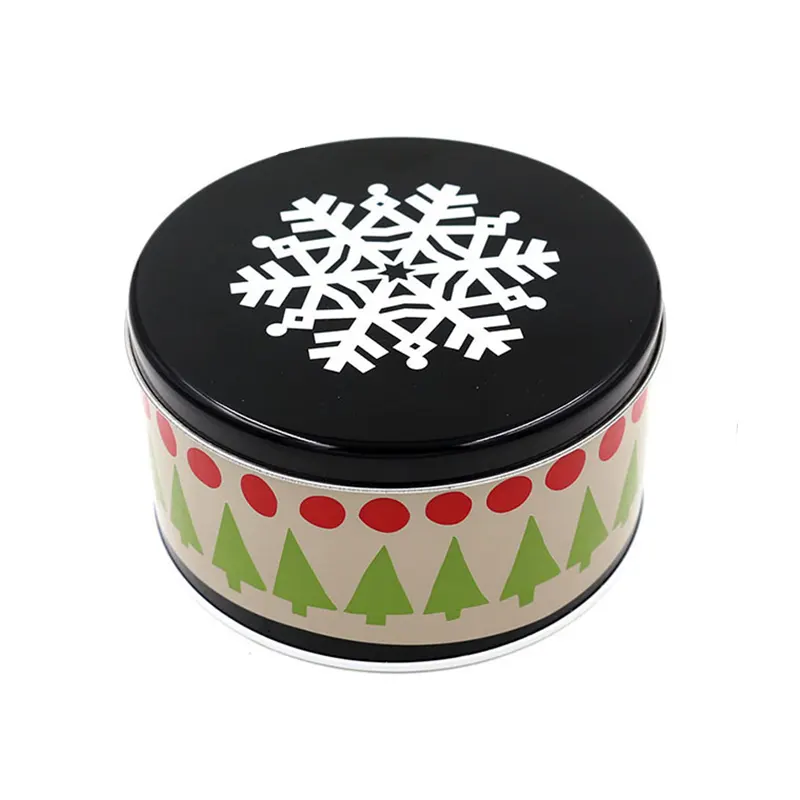
Coffee packaging does more than protect beans. It directly affects freshness, 棚アピール, shipping durability, and how customers perceive your brand. For coffee roasters and retailers, choosing between a tin box and plastic packaging can influence both product quality and long-term packaging costs.
This guide compares tin box and plastic coffee packaging in terms of freshness protection, 耐久性, カスタマイズ, 持続可能性, and overall brand value to help you choose the right solution for your coffee business.
Tin Box vs Plastic Packaging: Key Differences
Tin packaging offers stronger product protection, premium shelf appeal, and long-term recyclability, while plastic packaging remains popular for its lower cost and lightweight structure. The right choice depends on your coffee brand positioning, distribution model, and freshness requirements.
| Evaluation Metric | Tin Box Packaging | Plastic Packaging |
|---|---|---|
| Cost Structure | Higher initial tooling cost but strong long-term value for premium products. | Lower upfront cost and lower shipping expenses. |
| Barrier Protection | Excellent protection against oxygen, 水分, ライト, and crushing. | Barrier performance depends on film structure and seal quality. |
| 持続可能性 | Highly recyclable and widely reused by consumers. | Many multi-layer plastics are difficult to recycle. |
| 食品の安全 | Stable under changing temperatures with food-grade internal coatings. | Some plastics may deform or face migration concerns under heat exposure. |
| Brand Positioning | Premium appearance suited for specialty and gift packaging. | Lightweight and practical for mass-market retail products. |
Cost and Production Efficiency
- Tin Box Costs: Coffee tin packaging requires higher tooling and material investment, especially for custom shapes and embossed designs. しかし, it becomes more cost-effective at larger production volumes and supports higher retail pricing for premium coffee products.
- Plastic Packaging Costs: Plastic pouches offer lower unit costs and reduced freight expenses because of their lightweight structure. They are widely used for high-volume coffee distribution and price-sensitive retail markets.
Freshness Protection and Durability
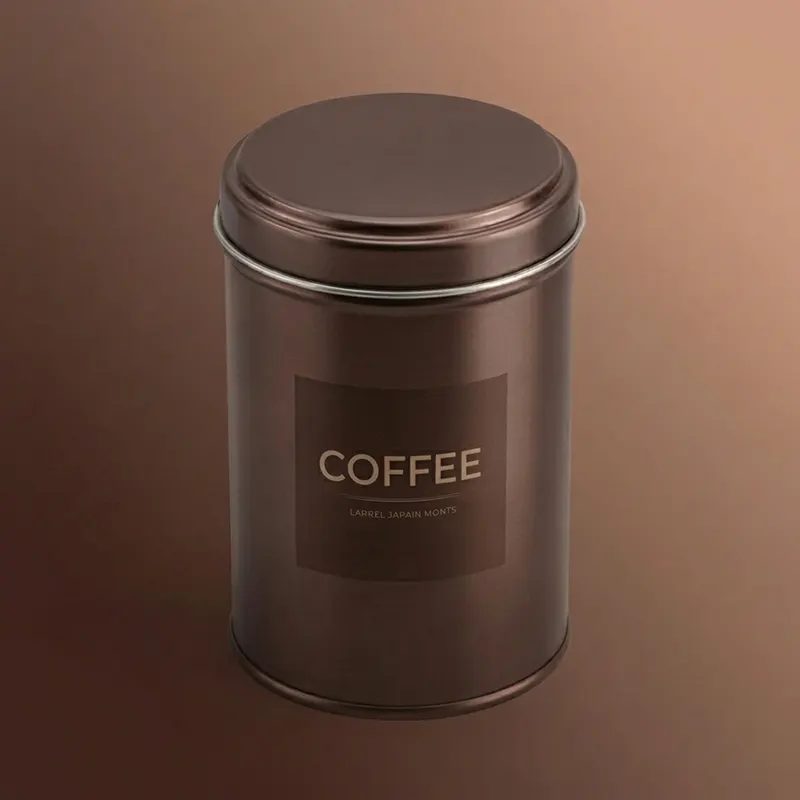
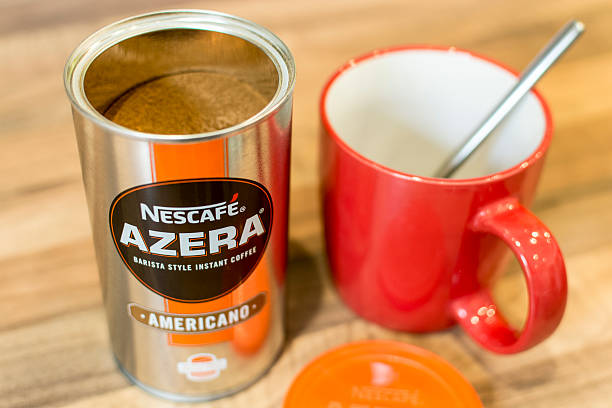
- Tin Box Protection: Tin boxes create a strong barrier against oxygen, 水分, ライト, and external pressure. Their rigid structure also protects coffee from crushing and shipping damage during long-distance transportation and warehouse storage.
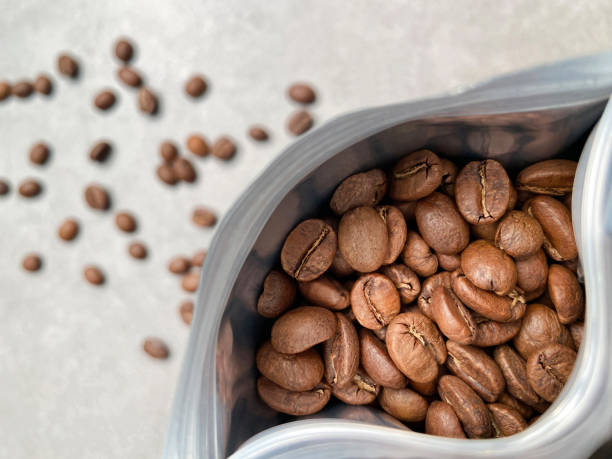
- Plastic Packaging Protection: Plastic packaging performance depends heavily on film quality and sealing structure. High-barrier films can preserve freshness effectively, but flexible pouches remain more vulnerable to punctures, seal failure, and gradual oxygen penetration over time.
Sustainability and Brand Experience
- Tin Box Sustainability: Tin packaging is highly recyclable and often reused by consumers for long-term storage. Its premium appearance strengthens shelf impact and helps coffee brands build a more durable and giftable product image.
- Plastic Packaging Sustainability: Plastic packaging provides lightweight convenience and flexible printing options for mass-market retail. しかし, many multi-layer plastic materials remain difficult to recycle, which can limit sustainability goals for environmentally focused coffee brands.
Preserve Coffee Freshness With Premium Custom Tins
Tin Men provides OEM and ODM coffee tin box solutions designed for freshness protection, premium shelf impact, and long-term brand value. Contact us for a quote today.
Pros and Cons of Tin Coffee Packaging

Advantages of Tin Coffee Packaging
Strong Barrier Protection
Tin packaging provides excellent protection against oxygen, 水分, and UV light. The rigid metal structure creates a stable internal environment that helps preserve coffee freshness, aroma, and flavor for a longer period, especially during storage and long-distance transportation.
High Physical Durability
The rigid structure of tin boxes resists crushing, stacking pressure, and external impact. This makes them highly reliable in complex supply chains where packaging must withstand handling, warehousing, and export logistics without deformation or damage.
Premium Brand Positioning
Metal packaging naturally communicates higher product value. Its solid structure and metallic finish enhance shelf presence, improve visual impact, and support premium positioning for specialty coffee and gift-oriented products.
Strong Sustainability Profile
Tin is highly recyclable and can be reused multiple times without losing material quality. This supports circular economy practices and also encourages consumers to repurpose the packaging for storage, extending its lifecycle.
Disadvantages of Tin Coffee Packaging
Higher Production Cost
Tin packaging requires a higher upfront investment in tooling, molds, and materials compared to plastic packaging. This makes it less suitable for low-margin or highly price-sensitive coffee products.
Heavier Shipping Weight
Compared to plastic pouches, tin boxes are heavier, which can increase transportation costs and reduce efficiency in large-scale distribution.
Less Packaging Flexibility
Metal packaging has limitations in flexibility and structure changes once molds are developed. This reduces adaptability for rapid design changes or highly variable product formats.
Higher Supply Chain Requirements
Tin packaging often requires more controlled sealing and production processes, such as precise lid fitting or nitrogen flushing systems. This increases production complexity compared to simpler plastic packaging lines.
Pros and Cons of Plastic Coffee Packaging

Advantages of Plastic Coffee Packaging
Cost Efficiency and Fast Production
Plastic packaging offers a lower unit cost compared to tin packaging, making it highly suitable for price-sensitive and high-volume coffee markets. It is also compatible with high-speed form-fill-seal production systems, which improve output efficiency and support large-scale commercial distribution.
Flexible Freshness Protection
Modern multilayer plastic films can provide effective barriers against oxygen, 水分, and light when properly engineered. Plastic packaging also integrates well with one-way degassing valves, which release CO₂ from freshly roasted coffee while helping maintain internal freshness conditions.
Lightweight Logistics Advantage
Plastic packaging is extremely lightweight and can be transported in flat rolls before filling. This reduces warehouse space requirements and lowers shipping costs, making it a strong option for global supply chains and fast-moving retail environments.
High Format Flexibility
Plastic packaging supports multiple formats such as stand-up pouches, stick packs, and portion-controlled sachets. It also allows diverse printing finishes and design variations, helping coffee brands adapt quickly to different retail channels and product lines.
Disadvantages of Plastic Coffee Packaging
Limited Long-Term Freshness Stability
Although high-barrier plastic films can perform well in the short term, they generally cannot match the long shelf life of rigid tin packaging. 時間とともに, they are more vulnerable to micro-leakage, seal fatigue, and gradual oxygen penetration.
Recycling and Environmental Challenges
Many coffee plastic packs use multi-layer laminated structures that are difficult to separate during recycling. As a result, a large portion ends up in landfill or incineration, especially in regions with limited recycling infrastructure.
Lower Physical Protection
Flexible plastic packaging offers weaker resistance to external pressure, punctures, and crushing during transport. This makes it less suitable for premium coffee products that require stable structural protection across long supply chains.
Weaker Premium Brand Perception
Plastic packaging is generally associated with functional, mass-market products rather than premium positioning. Even with advanced printing techniques, it lacks the durable and reusable nature of metal tins, which can reduce its perceived brand value in specialty coffee markets.
Environmental Impact of Tin vs Plastic Packaging
Production and Transportation Footprint
Tin packaging requires higher energy input during virgin material production compared to plastic, but it gains strong environmental value when recycled content is used, as recycled steel and aluminum significantly reduce energy consumption and support circular material flows. 対照的に, plastic packaging has a lower production footprint and is much lighter, which reduces fuel use and transportation emissions, making it more efficient for long-distance shipping and high-volume distribution systems.
Product Protection and Waste Reduction
Tin packaging offers rigid structural protection that helps prevent crushing, punctures, and environmental exposure, which reduces the risk of product damage and coffee waste throughout storage and transport. Plastic packaging can also protect coffee effectively when using high-barrier films, but it is generally more vulnerable to seal failure, micro-damage, and long-term oxygen penetration, which can increase the likelihood of product spoilage in demanding logistics environments.
End-of-Life and Recycling Outcomes
Tin packaging has a clear advantage in end-of-life recovery because steel and aluminum can be recycled repeatedly without losing material quality, and consumers often reuse tin containers for storage, extending their lifecycle beyond single use. Plastic packaging, especially multi-layer coffee bags, is much harder to recycle due to mixed material structures, and in many regions it ends up in landfill or incineration, which limits its overall environmental performance compared to metal packaging.
How to Choose the Right Packaging for Your Coffee Brand

| Evaluation Factor | Tin Packaging | Plastic Packaging |
|---|---|---|
| Brand Positioning | プレミアム, giftable, strong shelf impact | Mass-market, functional, cost-driven |
| Cost Structure | Higher upfront cost, better at scale for premium pricing | 単価の低下, highly cost-efficient |
| Logistics Efficiency | Heavier, higher shipping cost | Lightweight, lower freight cost |
| Freshness Protection | Strong barrier, ideal for long shelf life | Good with high-barrier films, but less stable long-term |
| 持続可能性 | Highly recyclable, reusable by consumers | Lightweight but limited recyclability in multilayer formats |
Brand Strategy and Positioning
Packaging choice should start with brand positioning. Tin box packaging supports premium storytelling and higher perceived value, making it suitable for specialty coffee and gift products. Plastic packaging is more aligned with high-volume, price-sensitive markets where cost control is the main priority.
Sales Channels and Distribution Scale
Your distribution model determines packaging feasibility. Tin packaging works well in direct-to-consumer and specialty retail channels with higher margins and lower volume. Plastic packaging is better suited for supermarket distribution and large-scale e-commerce operations where shipping efficiency and cost reduction are critical.
貯蔵寿命, 料金, and Sustainability Balance
If your priority is long shelf life and strong physical protection, tin packaging performs better in global supply chains. If your focus is on fast turnover and lower logistics costs, plastic packaging offers better efficiency. Sustainability decisions should consider real-world recycling systems, transport emissions, and product waste reduction rather than material type alone.
最終的な考え
While plastic pouches offer a lower upfront cost and lighter shipping weight, they provide less stable protection for premium coffee during long storage and transport. Tin packaging delivers a stronger barrier against oxygen, ライト, そして湿気, helping maintain flavor consistency and supporting longer shelf life. It also improves shelf impact and helps coffee brands position their products in a more premium market segment.
For brands focused on quality and long-term value, upgrading to カスタムスズパッケージ is a practical choice. で ブリキ男, we provide OEM metal packaging solutions, structural design support, and sampling services to help you validate both performance and appearance. Contact our team to discuss your coffee packaging requirements and develop a solution tailored to your brand and distribution needs.