Le plastique est utilisé depuis longtemps dans l’industrie alimentaire en raison de sa commodité., durabilité, et l'abordabilité. Des emballages de supermarché aux contenants à emporter, le plastique est partout. Mais même si cela apporte de nombreux avantages, on s’inquiète de plus en plus de son impact sur la santé humaine et l’environnement.
Dans cet article, nous explorerons à la fois les avantages et les inconvénients des emballages alimentaires en plastique et répondrons à une question clé: Pourquoi emballage en plastique mauvais pour la nourriture?
Les avantages de l’emballage alimentaire en plastique
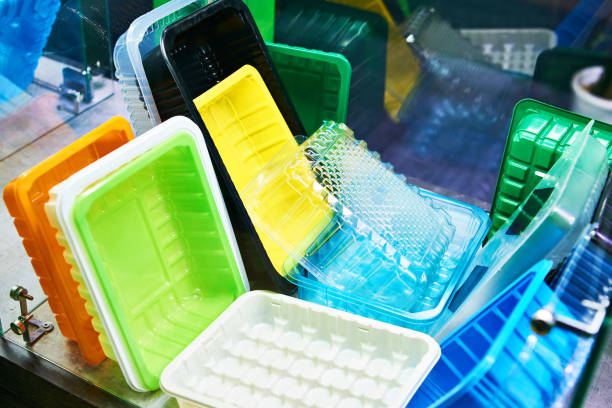
Léger et résistant
- Réduit les coûts de transport
Le plastique léger facilite et coûte moins cher le transport des produits alimentaires dans les chaînes d'approvisionnement.
- Minimise la casse
Par rapport au verre ou à la céramique, le plastique ne se brise pas, réduire le risque de perte de nourriture pendant le transport.
- Utilisation flexible
Des films souples aux barquettes rigides, les emballages en plastique peuvent s'adapter à différents types d'aliments.
Protection barrière pour la sécurité alimentaire
- Protège contre l'humidité et l'air
Le plastique contribue à prolonger la durée de conservation des aliments en bloquant l'oxygène et l'humidité..
- Réduit contamination
Les joints hermétiques protègent les aliments des bactéries, poussière, et dommages physiques pendant le stockage.
- Maintient la fraîcheur
Surtout pour les produits périssables comme la viande et les produits laitiers, le plastique aide à préserver la couleur, saveur, et texture.
Personnalisable et transparent
- Prend en charge la marque
Les surfaces en plastique sont faciles à imprimer, aider les marques à mettre en valeur leurs logos et leurs étiquettes nutritionnelles.
- Visibilité du produit
Le plastique transparent permet aux consommateurs de voir les aliments avant de les acheter, améliorer la confiance et la prise de décision.
- Moulable dans n'importe quelle forme
Le plastique peut être conçu pour des portions spécifiques, plats prêts à manger, ou emballages refermables.
Disponible sous forme d'emballage plastique de qualité alimentaire
- Certifié pour le contact alimentaire
L'emballage en plastique de qualité alimentaire est fabriqué à partir de matériaux approuvés pour le stockage et le transport en toute sécurité des produits comestibles..
- Répond aux normes d'hygiène
Ces plastiques sont fabriqués selon des réglementations strictes, minimiser le risque de contamination.
- Utilisé dans tous les secteurs alimentaires
Des produits frais aux plats surgelés, les plastiques de qualité alimentaire sont polyvalents et communément acceptés.
Les inconvénients des emballages alimentaires en plastique
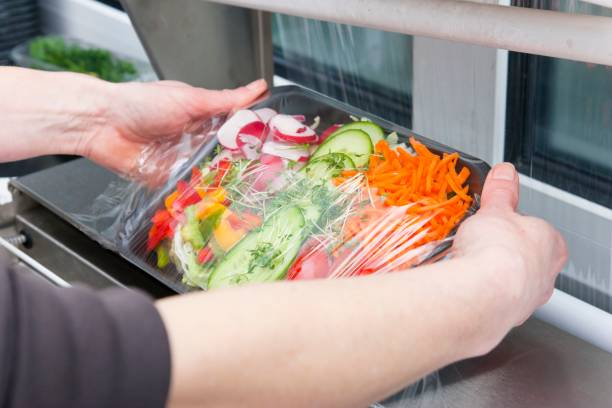
Pourquoi les emballages en plastique sont-ils mauvais pour les aliments?
Malgré son utilisation répandue, les emballages en plastique peuvent présenter de graves risques pour la santé et la sécurité:
- Lessivage chimique
Certains plastiques contiennent des additifs comme le BPA ou les phtalates qui peuvent s'infiltrer dans les aliments., surtout lorsqu'il est chauffé ou exposé à des contenus acides.
- Contamination microplastique
Au fil du temps, les plastiques peuvent se décomposer en minuscules particules. Ces microplastiques ont été détectés dans de l'eau en bouteille, sel, et même du sang humain.
- Dangers du réchauffement
De nombreux consommateurs mettent des aliments au micro-ondes dans des récipients en plastique qui ne sont pas destinés à des températures élevées., augmenter le risque d’ingérer des substances nocives.
- Utilisation non réglementée
Tous les pays ne surveillent pas strictement la qualité des emballages plastiques, conduisant à une exposition potentielle à des matériaux non alimentaires.
- Interaction entre les graisses et les acides
Les aliments gras ou acides peuvent accélérer la libération de produits chimiques provenant des contenants en plastique de mauvaise qualité.
Il s’agit là d’inconvénients majeurs du plastique lorsqu’il est utilisé dans des applications alimentaires, surtout si l’emballage n’est pas étiqueté comme étant un emballage en plastique de qualité alimentaire..
Impact environnemental et déchets
- Non biodégradable
La plupart des plastiques ne se décomposent pas naturellement et peuvent persister dans les décharges et les océans pendant des centaines d’années..
- Pollution des déchets
Les emballages alimentaires mal jetés contribuent à la pollution urbaine et marine.
- À forte intensité de ressources
La production de plastique dépend fortement des combustibles fossiles, contribuer aux émissions de carbone et au changement climatique.
Recyclage et gestion des déchets limités
- Faibles taux de recyclage
De nombreux contenants alimentaires en plastique ne sont pas recyclés en raison de résidus alimentaires ou de couches de matériaux mélangés.
- Flux contaminés
Les emballages en plastique sales sont souvent rejetés lors du recyclage, finir dans les décharges ou les incinérateurs.
- Tri complexe
Le plastique avec des joints en aluminium ou des films multicouches est difficile à séparer et à recycler efficacement.
Perception négative de la marque et des consommateurs
- Une conscience écologique croissante
Les consommateurs évitent de plus en plus les emballages en plastique au profit d’alternatives compostables ou réutilisables.
- Interdictions réglementaires
De nombreuses régions interdisent les plastiques à usage unique, faire pression sur les entreprises pour qu'elles trouvent des alternatives.
- Préoccupations en matière de durabilité
Les marques qui ne parviennent pas à réduire leur utilisation du plastique risquent de nuire à leur réputation auprès des acheteurs soucieux de l’environnement..
Conclusion: Repenser l'utilisation des emballages alimentaires en plastique
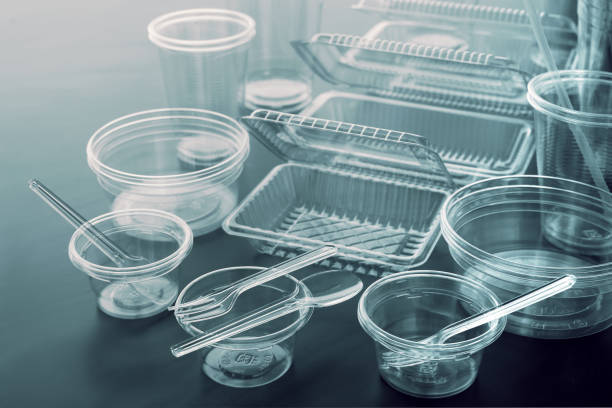
Alors que les emballages en plastique de qualité alimentaire offrent des avantages indéniables en matière de commodité et de sécurité alimentaire, cela comporte également des risques pour la santé et des coûts environnementaux qui ne peuvent être ignorés. Le potentiel de lixiviation chimique, exposition aux microplastiques, et une faible recyclabilité sont des inconvénients majeurs du plastique dans les applications alimentaires.
Les entreprises et les consommateurs devraient s'efforcer de:
- Choisissez la haute qualité, plastiques certifiés de qualité alimentaire
- Évitez de réchauffer les aliments dans des récipients en plastique qui ne vont pas au micro-ondes
- Soutenir les efforts visant à réduire, réutilisation, et recycler
- Explorez des alternatives d'emballage biodégradables et compostables
En comprenant les deux côtés, nous pouvons prendre des décisions d'emballage plus intelligentes qui profitent à notre santé, notre environnement, et les générations futures.