Metalldosen, Klappschachteln aus Kunststoff, oder Papierkartons – welcher eignet sich eigentlich am besten für Pfefferminzbonbons?? Die Antwort hängt vom Feuchtigkeitsschutz ab, Portabilität, kosten, und wie Ihre Marke wahrgenommen werden soll. Pfefferminzbonbons reagieren sehr empfindlich auf Feuchtigkeit und Stöße, Daher kann es bei falscher Verpackung zu Verklumpungen kommen, Geschmacksverlust, und Einzelhandelsretouren. Unten, Wir vergleichen die wichtigsten Optionen, um Ihnen bei der Auswahl der richtigen Verpackungslösung für Ihr Produkt und Ihren Markt zu helfen.
Wichtige Anforderungen für die Verpackung von Atemminze
Feuchtigkeitsschutz und Frischekontrolle
Pfefferminzbonbons verlieren schnell an Qualität, wenn sie Feuchtigkeit ausgesetzt werden, Sauerstoff, oder Hitze. Ohne ausreichenden Barriereschutz, Tabletten können weich werden, zusammenhalten, oder verlieren mit der Zeit ihre Kühlintensität. Aus diesem Grund werden für die meisten Minzverpackungen feuchtigkeitsbeständige Materialien verwendet, dichte Dichtungssysteme, und zuverlässige wiederverschließbare Verschlüsse, um die Geschmacksstabilität während des gesamten Versands aufrechtzuerhalten, Einzelhandelslager, und wiederholter täglicher Anwendung.
Strukturelle Haltbarkeit für Transport und tägliches Tragen
Minzverpackungen müssen weit mehr Handhabung überstehen als viele andere Süßwaren. Behälter bewegen sich durch automatisierte Abfülllinien, Lagerstapelung, Schifffahrtsrouten, und ständiges Tragen in der Tasche oder Tasche. Schwache Scharniere, dünne Wände, oder instabile Verschlüsse können zu gesprungenen Tabletten führen, versehentliches Öffnen, und Staubablagerungen. Stabile Dosen und gut gestaltete Kunststoffspender sorgen in der Regel für eine bessere Langzeithaltbarkeit und Verbraucherzufriedenheit.
Komfort und Einzelhandelsfunktionalität
Verbraucher erwarten, dass Pfefferminzbonbons leicht zu transportieren sind, offen, und schnell abgeben, Alltagssituationen. Kompakte Größe, Einhandbedienung, und die kontrollierte Minzfreisetzung verbessern die Benutzerfreundlichkeit. Gleichzeitig, Verpackungen müssen auch effizient in die Kassendisplays passen, Regalschalen, und Sekundärkartons. Die erfolgreichsten Designs vereinen Verbraucherfreundlichkeit mit praktischen Einzelhandels- und Produktionsanforderungen.
Zinn vs. Kunststoff vs. Papier für Breath Mint-Verpackungen
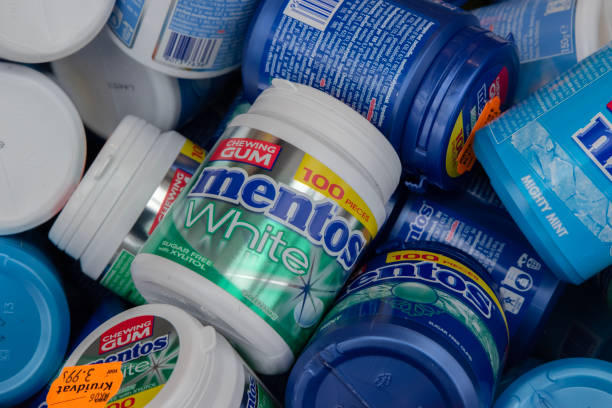
Die meisten Verpackungen für Atemminze lassen sich in drei Hauptgruppen einteilen: Metalldosen, Plastikspender, und papierbasierte Formate. Jedes Material dient einem anderen Zweck, Von Premium-Schutz und Branding bis hin zu Low-Cost-Convenience oder Öko-Positionierung. Die folgende Tabelle bietet einen schnellen Vergleich für einen einfacheren Überblick.
| Material | Produktschutz | Nachhaltigkeit | Kostenprofil |
|---|---|---|---|
| Zinn | Ausgezeichnete Barriere & Druckfestigkeit | Unendlich recycelbar, hohe Wiederverwendung | Hohe Stück-/Frachtkosten |
| Plastik | Gute Feuchtigkeitsbarriere, geringe Durchstoßfestigkeit | Niedrige Recyclingquoten bei Kleinformaten | Niedrigste Kosten im großen Maßstab |
| Papier | Schwache Barriere (erfordert Liner) | Biologisch abbaubar, wenn unbeschichtet | Niedrige Logistikkosten (Schiffe flach) |
Materialeigenschaften und Produktschutz
Die Hauptaufgabe der Verpackung von Atemminze besteht darin, die Feuchtigkeit draußen und den Geschmack drinnen zu halten. Pfefferminzbonbons reagieren sehr empfindlich auf Feuchtigkeit und physikalische Einwirkungen, Materialauswahl zu einer entscheidenden betrieblichen Entscheidung machen.
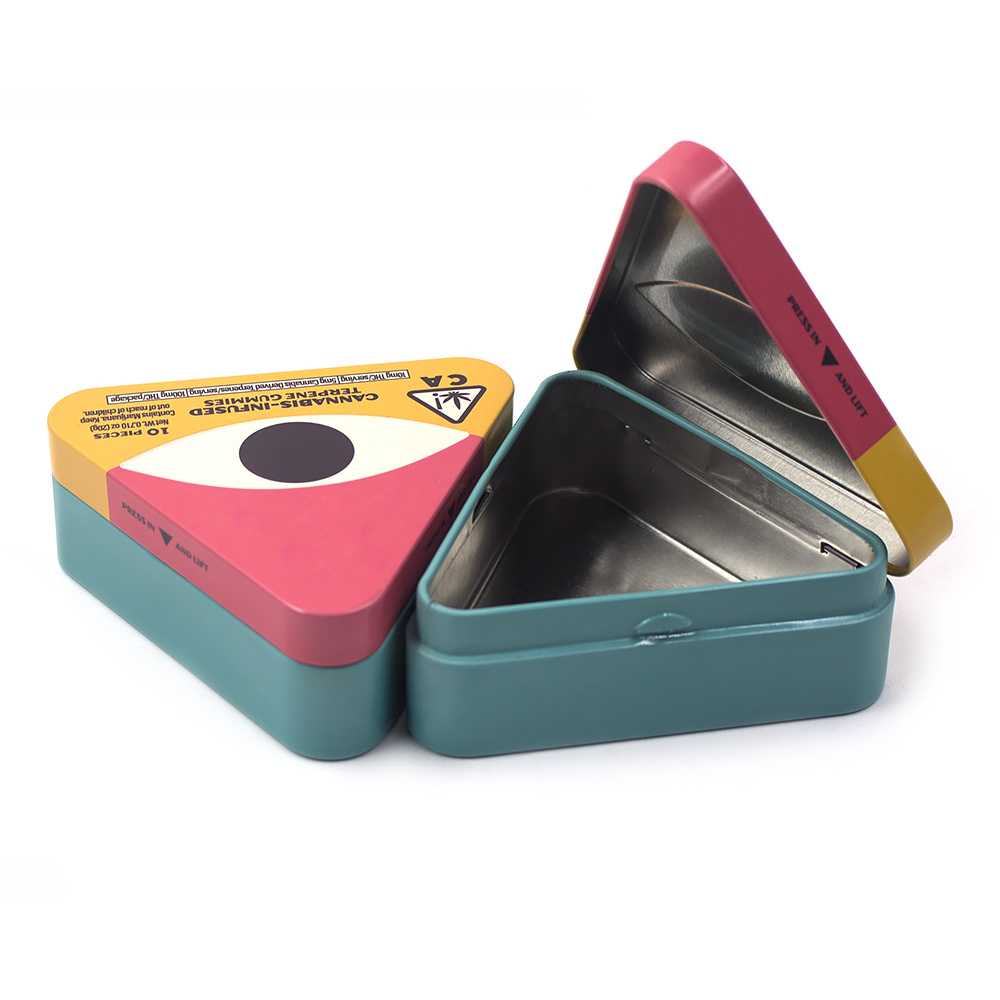
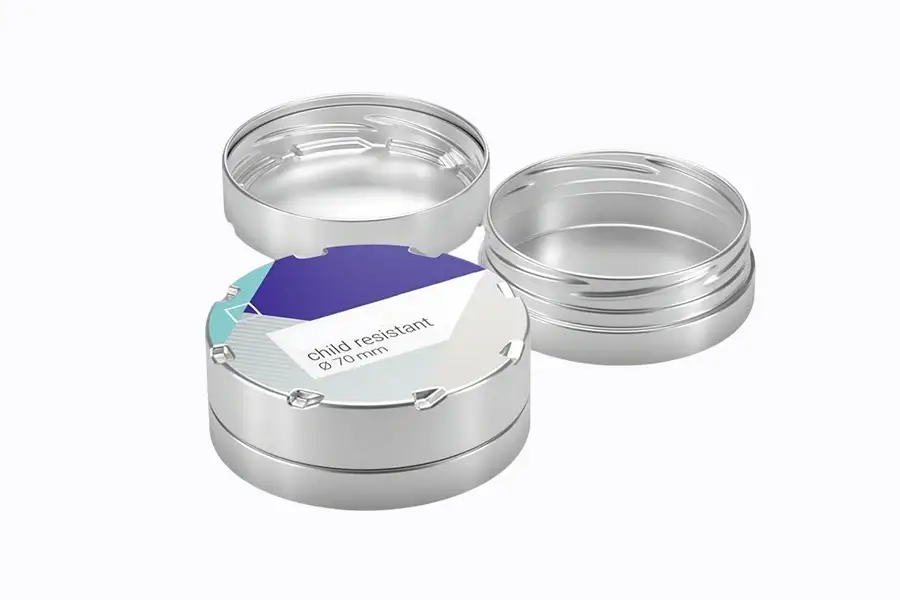
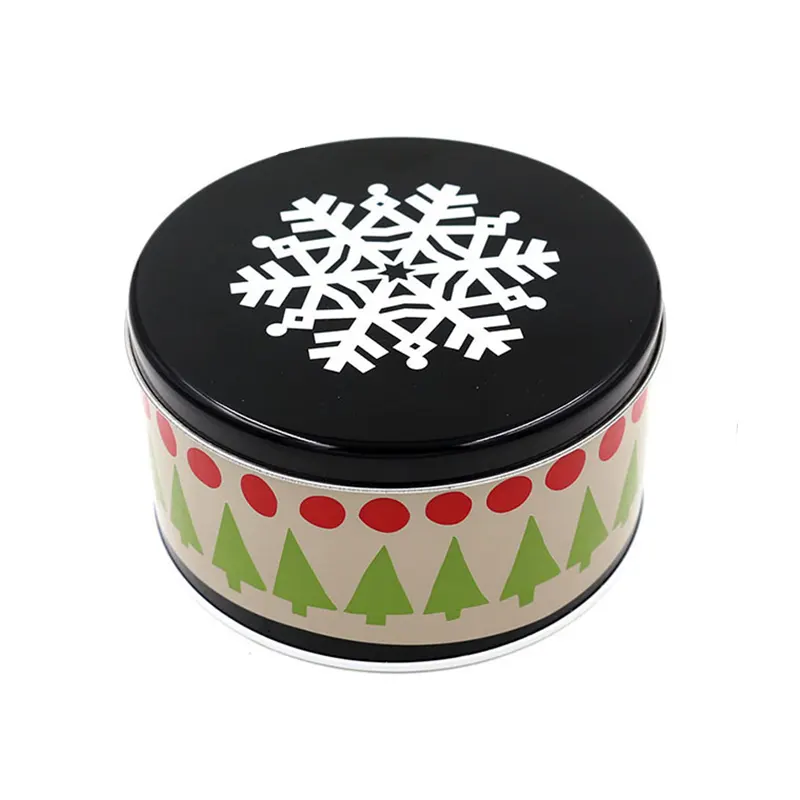
- Blechbehälter: Bieten eine hervorragende Barriere gegen Feuchtigkeit, Sauerstoff, und Licht. Sie verhindern das Verklumpen von Minzbonbons auf Zuckerbasis und sorgen für eine hohe Druckfestigkeit.
- Kunststoffoptionen: Bieten eine zuverlässige Feuchtigkeitsbarriere und strukturelle Flexibilität. Ihnen fehlt die starke Lichtschranke und die extreme Durchstoßfestigkeit von Metall.
- Papierverpackung: Besitzt eine schwache inhärente Barriere. Normalerweise benötigen Sie eine Innenfolie oder eine Kunststoffauskleidung, um Geschmacksverlust und Feuchtigkeitsaufnahme zu verhindern.
Umweltauswirkungen und Nachhaltigkeit
Marken stehen im Hinblick auf Verpackungsabfälle unter strenger Beobachtung. Jedes Material stellt einen anderen ökologischen Kompromiss dar, der sich direkt auf Ihre Umweltbotschaft auswirkt.
- Metalldosen: 100% unendlich recycelbar. Verbraucher verwenden sie häufig für andere Zwecke, was ihren höheren anfänglichen Energie-Fußabdruck ausgleicht.
- Minzschachteln aus Kunststoff: Bei kleinen Formaten sind die tatsächlichen Recyclingquoten niedrig. Sie tragen erheblich zur langfristigen Mikroplastikverschmutzung bei.
- Pappen und Kartons: Hochgradig biologisch abbaubar und recycelbar, vorausgesetzt, Sie vermeiden die Verwendung von Komplexen, nicht recycelbare Barrierebeschichtungen.
Kosteneffizienz und Logistik
Die Stückökonomie bestimmt Ihre Verpackungsstrategie. Materialgewicht und Transporteffizienz wirken sich direkt auf Ihr Endergebnis in der gesamten Lieferkette aus.
- Zinn: Aufgrund seines Gewichts fallen höhere Stück- und Frachtkosten an. Wir empfehlen es für margenstärkere oder nachfüllbare Produktlinien.
- Plastik: Bietet die niedrigsten Kosten pro Einheit im großen Maßstab. Es ist extrem leicht, Optimierung des internationalen Versands großer Mengen.
- Verpackung auf Papierbasis: Minimiert den Platzbedarf im Lager, da die Kartons flach verschickt werden. Dadurch bleiben die Logistikkosten äußerst gering.
Verbraucherwahrnehmung und Markenpositionierung
Käufer beurteilen Ihr Produkt, bevor sie es probieren. Das von Ihnen gewählte Material bestimmt unmittelbar die Preis- und Qualitätserwartungen im Verkaufsregal.
- Blechverpackung: Verbraucher assoziieren Metall mit Premiumqualität, Erbe, und hoher Erinnerungswert.
- Plastik: Käufer betrachten Kunststoff als äußerst praktisch und funktional für Massenmarktmarken, obwohl es in Bezug auf Nachhaltigkeit immer stärker in den Blickpunkt gerückt wird.
- Papier: Kommuniziert einen Minimalisten, Eine umweltfreundliche Ästhetik, die Käufer von Zero-Waste- und Naturprodukten stark anspricht.
Funktionale und regulatorische Überlegungen
Die Einhaltung der Lebensmittelsicherheit ist nicht verhandelbar. Jedes Material reagiert unterschiedlich auf Aromaöle und Temperaturschwankungen, besondere Schutzmaßnahmen erfordern.
- Zinnplatte: Erfordert zugelassene lebensmittelechte Innenbeschichtungen. Dies verhindert die Wechselwirkung zwischen Metall und Produkt und bewahrt flüchtige Minzöle.
- Kunststoffverpackungen: Es müssen lebensmittelechte Harze verwendet werden. Sie müssen eine mögliche Additivmigration während der Lagerung bei erhöhter Temperatur berücksichtigen.
- Papier: Erfordert für den Lebensmittelkontakt zugelassene Tinten und Klebstoffe. Dies erfordert häufig einen separaten Innenbeutel für den direkten Produktkontakt.
Präzisionsgefertigte Minzdosen für dauerhafte Markenwirkung
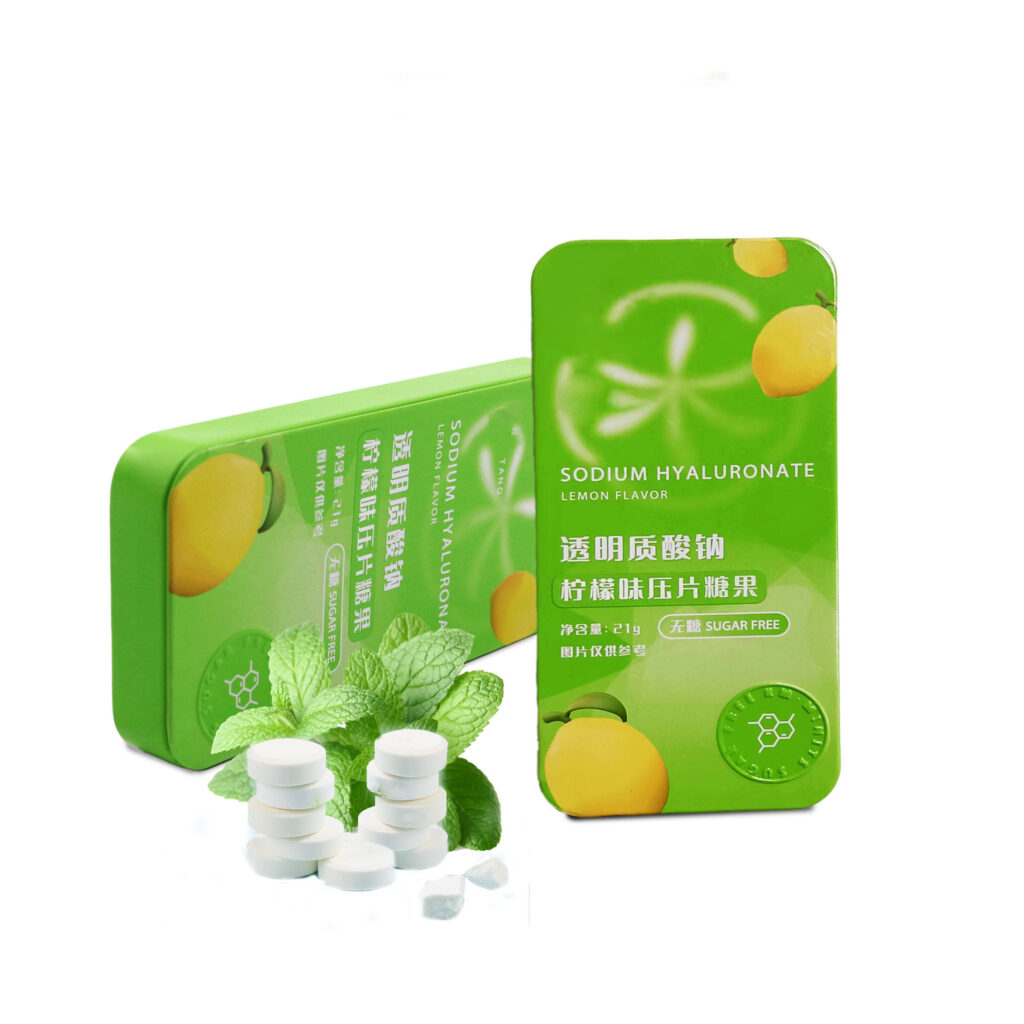
So wählen Sie die richtige Verpackung für Atemminze aus
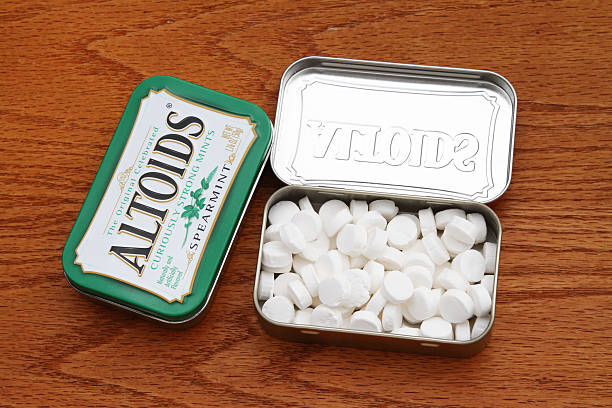
Bei der Wahl der richtigen Atemminze-Verpackung kommt es nicht nur auf das Aussehen an. Es ist ein Gleichgewicht zwischen Produktverhalten, Benutzererfahrung, Produktionseffizienz, und Einzelhandelsleistung. Der effektivste Ansatz besteht darin, Verpackungen aus zwei Perspektiven zu bewerten: was Sie verpacken, und wie Sie es verkaufen möchten.
Nach Produkttyp
Verschiedene Minzformate verhalten sich bei Feuchtigkeit unterschiedlich, Druck, und den täglichen Gebrauch, Daher muss die Verpackung den physikalischen Eigenschaften des Produkts selbst entsprechen.
Komprimierte Tabletten-Minzbonbons:
Komprimierte Tabletten sind zerbrechlich und beim Transport empfindlich gegenüber Vibrationen. Sie erfordern eine stabile Verpackung, die ein Absplittern verhindert und die Feuchtigkeitsbelastung kontrolliert. Am häufigsten werden Metalldosen und dickwandige Kunststoffspender gewählt, da sie strukturelle Festigkeit mit kontrollierter Dosierung kombinieren.
Atemstreifen:
Atemstreifen reagieren sehr empfindlich auf Feuchtigkeit, da sich der lösliche Film schnell zersetzen kann, sobald er der Luft ausgesetzt wird. Bei der Verpackung müssen dichte Versiegelung und kompakte Tragbarkeit im Vordergrund stehen. Typischerweise werden schlanke Hartschalenetuis und laminierte Barriereverpackungen verwendet, um die Frische zu gewährleisten und den Komfort in der Tasche zu gewährleisten.
Pellet- und Kauminzbonbons:
Pellet- und Kautablettenformate sind weniger zerbrechlich, erfordern jedoch einen einfachen Zugang und eine Wiederverschließbarkeit für den wiederholten Gebrauch. Größere Öffnungen, Flaschen mit Schraubverschluss, oder flexible Beutel werden oft bevorzugt, da sie höhere Portionszahlen und den täglichen Komfort ermöglichen.
Nach Entscheidungsfaktoren
Sobald der Produkttyp klar ist, Der nächste Schritt besteht darin, die Verpackung anhand kommerzieller und betrieblicher Anforderungen zu bewerten.
Produktempfindlichkeit:
Pfefferminzbonbons mit starken ätherischen Ölen oder Kühlmitteln benötigen einen höheren Barriereschutz, um Aromaverlust und Texturveränderungen zu verhindern. Für stabilere Formulierungen können leichtere und kosteneffizientere Verpackungen verwendet werden.
Einzelhandelspositionierung:
Die Verpackung sollte die Markenpositionierung widerspiegeln. Bei Premiumprodukten werden häufig Metalldosen mit dekorativen Verzierungen verwendet, während Massenmarktprodukte auf leichte Kunststoffspender angewiesen sind. Umweltorientierte Marken kombinieren in der Regel Kartonstrukturen mit Nachfüllsystemen.
Kosten und Logistik:
Die Materialauswahl wirkt sich direkt auf die Stückkosten aus, Frachtgewicht, und Versandeffizienz. Kunststoff ist in der Regel am kostengünstigsten, Während Dosen die Kosten erhöhen, verbessern sie den wahrgenommenen Wert und die Haltbarkeit.
Produktionskompatibilität:
Die Verpackung muss reibungslos mit den Abfülllinien zusammenarbeiten, Dichtungssysteme, und Kartonierausrüstung. Selbst kleine Designänderungen können sich auf die Produktionsgeschwindigkeit und die Gesamteffizienz der Fertigung auswirken.
Letzte Gedanken
Die Verpackung von Atemminze wirkt sich direkt auf die Frische aus, Lagerstabilität, und Markenwahrnehmung, Beeinflussen Sie, wie Kunden Ihr Produkt erleben und ob sie es erneut kaufen. Während kostengünstige Verpackungen die Vorabausgaben reduzieren können, es fällt oft aufgrund von Feuchtigkeit aus, Geschmacksverlust, und Umgang mit Stress in realen Lieferketten. Sie sollten Materialien validieren, Versiegelung, und das Dosierdesign durch Probenahme und Tests, bevor die Produktion skaliert wird, um eine gleichbleibende Leistung sicherzustellen. Wenn Sie eine Lösung auf Zinnbasis für Pfefferminzbonbons oder andere Süßwarenprodukte entwickeln, Die Zusammenarbeit mit einem spezialisierten Hersteller kann das Risiko erheblich reduzieren und die Konsistenz verbessern. Blechmänner bietet maßgeschneiderte Dosenverpackungslösungen, die auf einen ausgewogenen Produktschutz ausgelegt sind, Markenwirkung, und skalierbare Produktion –Kontaktieren Sie uns um noch heute mit Ihrem OEM-Projekt zu beginnen.
Häufig gestellte Fragen
Was ist das beste Verpackungsmaterial für Pfefferminzbonbons??
Welches Material das richtige ist, hängt ganz von Ihrer Marktpositionierung und Rezeptur ab. Im On-the-go-Segment dominieren Metalldosen und starre Kunststoffboxen, da sie zerbrechliche Tabletten schützen und eine einfache Entnahme ermöglichen. Für Groß- und Nachfüllformate, Flexible Barrierebeutel oder beschichtete Kartons bieten die beste Kosteneffizienz.
Sollte ich für meine Atemminze-Marke Blech- oder Plastikbehälter wählen??
Verwenden Sie Metalldosen, um einen Premiummarkt anzusprechen, Haltbarkeit verlängern, oder appellieren Sie an umweltbewusste Käufer, die Behälter wiederverwenden. Kunststoffbehälter eignen sich am besten für den Massenmarkt, Großvolumiger Einzelhandel. Kunststoff hält die Stückkosten niedrig, reduziert das Versandgewicht, und ermöglicht eine bequeme einhändige Ausgabe wie Flip-Tops und Schieber.
Wie hält die Verpackung Pfefferminzbonbons frisch und verhindert ein Verklumpen??
Frische beruht auf einer dichten Barriere gegen Feuchtigkeit und Sauerstoff. Metalldosen verfügen über eine Innenfolie oder einen dicht schließenden Verschluss, um Feuchtigkeit zu blockieren, während Kunststoffspender auf Präzision angewiesen sind, Sichere Schnappdeckel. Um zu verhindern, dass gepresste Minzbonbons Feuchtigkeit aufnehmen, legen die Hersteller auch kleine Trockenmittelpäckchen bei oder nutzen Blisterkarten mit hoher Barrierewirkung, Erweichung, oder unter feuchten Bedingungen zusammenkleben.