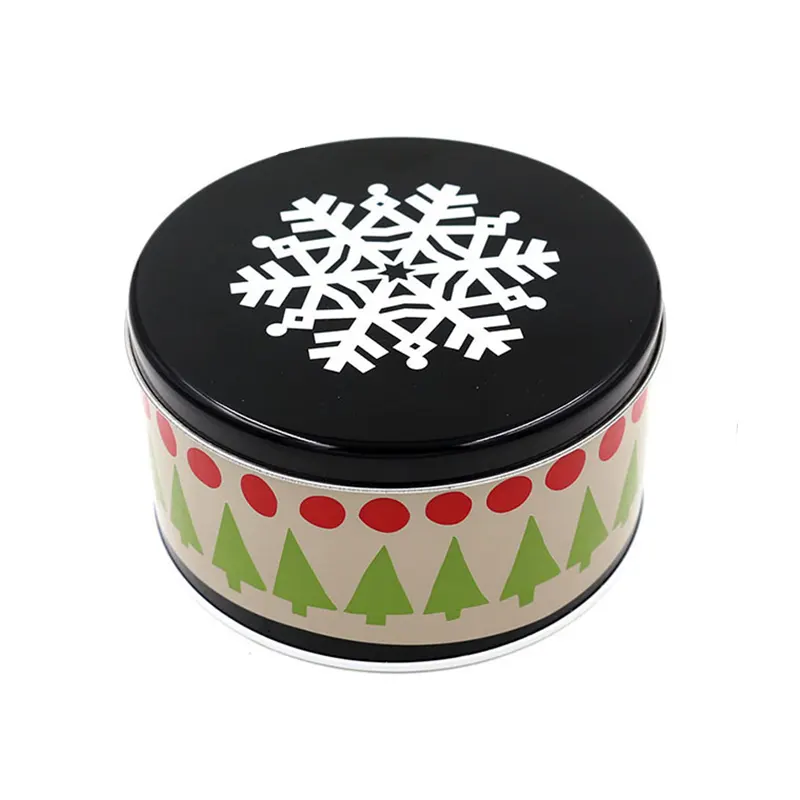
Boîtes métalliques, boîtes à couvercle rabattable en plastique, ou des cartons en papier – lequel est réellement le meilleur pour les menthes à la menthe? La réponse dépend de la protection contre l'humidité, portabilité, coût, et comment vous voulez que votre marque soit perçue. Les menthes sont très sensibles à l'humidité et aux chocs, un mauvais emballage peut donc entraîner une agglomération, perte de saveur, et retours au détail. Ci-dessous, nous comparons les principales options pour vous aider à choisir la solution d'emballage adaptée à votre produit et à votre marché.
Exigences clés pour l’emballage de Breath Mint
Protection contre l'humidité et contrôle de la fraîcheur
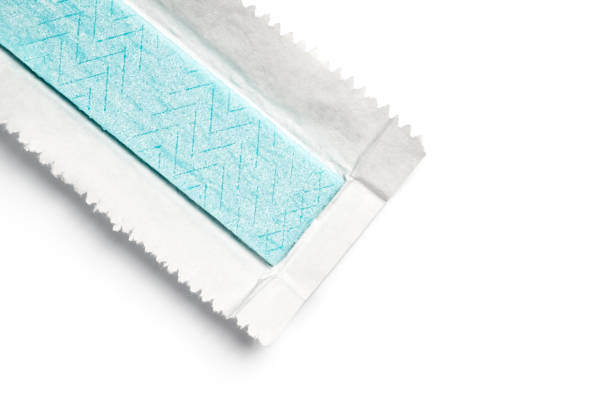
Les menthes à l'haleine perdent rapidement de leur qualité lorsqu'elles sont exposées à l'humidité., oxygène, ou de la chaleur. Sans barrière de protection adéquate, les comprimés peuvent ramollir, rester ensemble, ou perdent leur intensité de refroidissement avec le temps. C'est pourquoi la plupart des emballages à la menthe utilisent des matériaux résistants à l'humidité., systèmes d'étanchéité, et des fermetures refermables fiables pour maintenir la stabilité de la saveur tout au long de l'expédition, stockage de détail, et une utilisation quotidienne répétée.
Durabilité structurelle pour le transport et le transport quotidien
Les emballages à la menthe doivent résister à bien plus de manipulations que de nombreux produits de confiserie. Les conteneurs transitent par des lignes de remplissage automatisées, empilement d'entrepôt, routes maritimes, et transport constant dans une poche ou un sac. Charnières faibles, parois minces, ou des fermetures instables peuvent entraîner des comprimés fissurés, ouverture accidentelle, et accumulation de poussière. Les boîtes rigides et les distributeurs en plastique bien conçus offrent généralement une meilleure durabilité à long terme et une meilleure satisfaction du consommateur..
Commodité et fonctionnalité de vente au détail
Les consommateurs s’attendent à ce que les menthes pour l’haleine soient faciles à transporter, ouvrir, et distribuer rapidement, situations quotidiennes. Dimensionnement compact, opération à une main, et la libération contrôlée de menthe améliorent toutes la convivialité. En même temps, l'emballage doit également s'adapter efficacement aux présentoirs de caisse, plateaux d'étagères, et cartons secondaires. Les conceptions les plus réussies équilibrent le confort du consommateur et les exigences pratiques de vente au détail et de production..
Étain, plastique ou papier pour les emballages Breath Mint
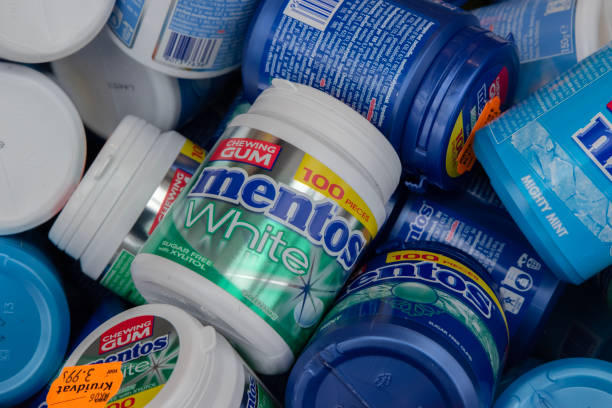
La plupart des emballages de menthe haleine se répartissent en trois groupes principaux: boîtes métalliques, distributeurs en plastique, et formats papier. Chaque matériau répond à un objectif différent, de la protection et de l'image de marque haut de gamme à la commodité à faible coût ou au positionnement écologique. Le tableau ci-dessous fournit une comparaison rapide pour un aperçu plus facile.
| Matériel | Protection du produit | Durabilité | Profil de coût |
|---|---|---|---|
| Étain | Excellente barrière & résistance à l'écrasement | Recyclable à l'infini, réutilisation élevée | Coût unitaire/fret élevé |
| Plastique | Bonne barrière contre l'humidité, faible résistance à la perforation | Faibles taux de recyclage pour les petits formats | Coût le plus bas à grande échelle |
| Papier | Faible barrière (nécessite une doublure) | Biodégradable si non revêtu | Faible coût logistique (navires à plat) |
Caractéristiques des matériaux et protection du produit
La tâche principale de l'emballage de la menthe pour l'haleine est de garder l'humidité à l'extérieur et la saveur à l'intérieur.. Les menthes sont très sensibles à l’humidité et aux impacts physiques, faire de la sélection des matériaux une décision opérationnelle critique.
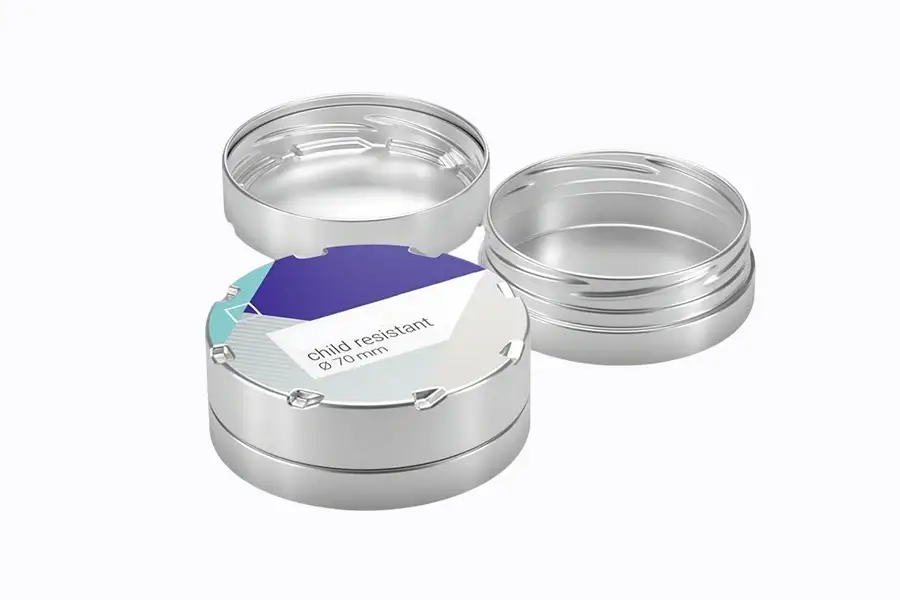
- Conteneurs en étain: Fournit une excellente barrière contre l’humidité, oxygène, et la lumière. Ils empêchent les menthes à base de sucre de s'agglutiner et offrent une résistance élevée à l'écrasement..
- Options en plastique: Offre une barrière fiable contre l’humidité et une flexibilité structurelle. Ils n'ont pas la forte barrière lumineuse ni la résistance extrême à la perforation du métal..
- Emballage en papier: Possède une faible barrière inhérente. Vous avez généralement besoin d'une feuille intérieure ou d'une doublure en plastique pour éviter la perte de saveur et l'absorption de l'humidité..
Impact environnemental et durabilité
Les marques font l’objet d’une surveillance étroite concernant les déchets d’emballages. Chaque matériau présente un compromis écologique différent qui affecte directement votre message environnemental..
- Boîtes métalliques: 100% recyclable à l'infini. Les consommateurs les réutilisent fréquemment, ce qui compense leur empreinte énergétique initiale plus élevée.
- Boîtes à menthe en plastique: Faire face à de faibles taux de recyclage réels dans les petits formats. Ils contribuent fortement à la pollution microplastique à long terme.
- Cartons et cartons: Hautement biodégradable et recyclable, à condition d'éviter d'utiliser des complexes, revêtements barrières non recyclables.
Rentabilité et logistique
L’économie unitaire dicte votre stratégie d’emballage. Le poids des matériaux et l'efficacité du transport ont un impact direct sur vos résultats tout au long de la chaîne d'approvisionnement..
- Étain: Transporte un coût unitaire et de transport plus élevé en raison de son poids. Nous le recommandons pour les gammes de produits à marge plus élevée ou rechargeables.
- Plastique: Fournit le coût unitaire le plus bas à grande échelle. Il est extrêmement léger, optimiser les expéditions internationales de gros volumes.
- Emballages à base de papier: Minimise l'espace d'entrepôt car les cartons sont expédiés à plat. Cela maintient les coûts logistiques exceptionnellement bas.
Perception du consommateur et positionnement de la marque
Les acheteurs jugent votre produit avant de le goûter. Le matériau que vous choisissez définit des attentes immédiates en matière de prix et de qualité sur les étagères du commerce de détail..
- Emballage en étain: Les consommateurs associent le métal à la qualité supérieure, patrimoine, et une valeur de souvenir élevée.
- Plastique: Les acheteurs considèrent le plastique comme très pratique et fonctionnel pour les marques grand public., bien qu'il fasse l'objet d'une surveillance croissante en matière de durabilité.
- Papier: Communique un minimaliste, une esthétique éco-avant-gardiste qui séduit fortement les acheteurs de produits zéro déchet et naturels.
Considérations fonctionnelles et réglementaires
La conformité à la sécurité alimentaire n’est pas négociable. Chaque matériau interagit différemment avec les huiles aromatiques et les changements de température., nécessitant des mesures de protection spécifiques.
- Fer blanc: Nécessite des revêtements internes approuvés pour la sécurité alimentaire. Cela empêche l'interaction métal-produit et préserve les huiles de menthe volatiles..
- Emballages en plastique: Doit utiliser des résines de qualité alimentaire. Vous devez tenir compte de la migration potentielle des additifs lors du stockage à température élevée..
- Papier: Nécessite des encres et des adhésifs approuvés pour le contact alimentaire. Cela nécessite souvent un sac intérieur séparé pour un contact direct avec le produit..
Boîtes à menthe conçues avec précision pour un impact durable sur la marque
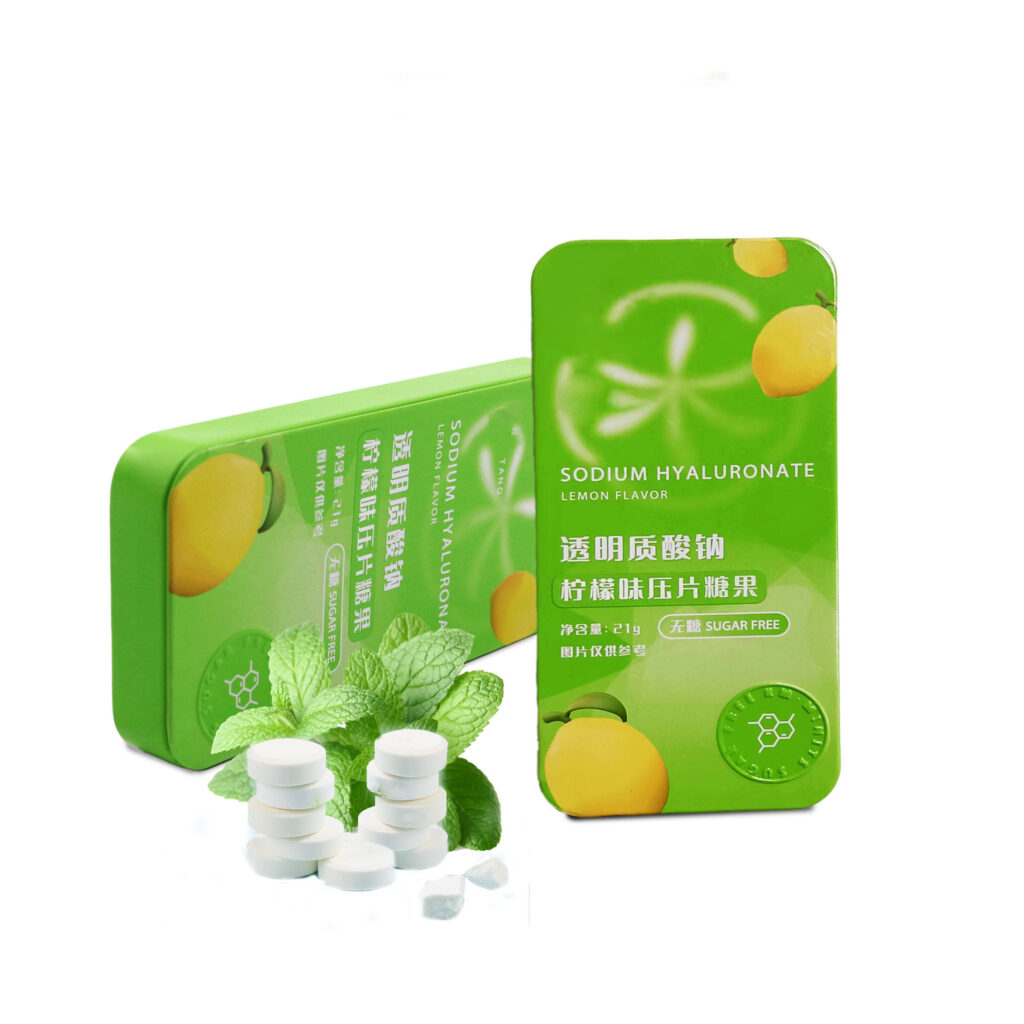
Comment choisir le bon emballage de menthe haleine
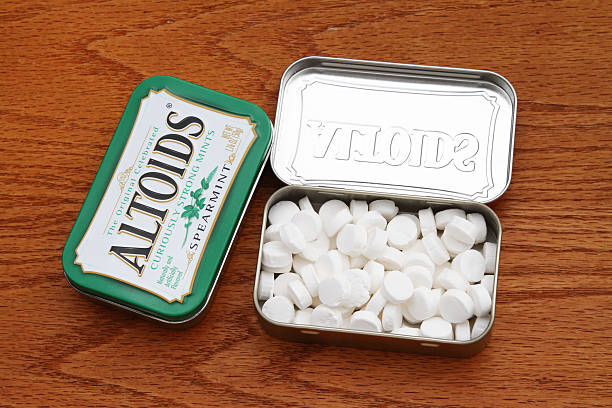
Choisir le bon emballage de menthe pour l’haleine n’est pas seulement une question d’apparence. C'est un équilibre entre le comportement du produit, expérience utilisateur, efficacité de production, et performance du commerce de détail. L'approche la plus efficace consiste à évaluer l'emballage sous deux angles.: ce que tu emballes, et comment comptez-vous le vendre.
Par type de produit
Différents formats de menthe se comportent différemment sous l’humidité, pression, et utilisation quotidienne, l'emballage doit donc correspondre aux caractéristiques physiques du produit lui-même.
Menthes en comprimés compressés:
Les comprimés compressés sont fragiles et sensibles aux vibrations lors du transport. Ils nécessitent un emballage rigide qui empêche l’écaillage et contrôle l’exposition à l’humidité.. Les boîtes métalliques et les distributeurs en plastique à paroi épaisse sont les choix les plus courants car ils combinent résistance structurelle et distribution contrôlée..
Bandes respiratoires:
Les bandes respiratoires sont très sensibles à l'humidité car le film soluble peut se dégrader rapidement une fois exposé à l'air.. L’emballage doit donner la priorité à l’étanchéité et à la portabilité compacte. Les étuis rigides minces et les emballages barrière laminés sont généralement utilisés pour conserver la fraîcheur et la commodité de la poche..
Pastilles et menthes tendres:
Les formats pellets et à croquer sont moins fragiles mais nécessitent un accès facile et une refermabilité pour une utilisation répétée.. Des ouvertures plus grandes, bouteilles à bouchon à vis, ou les sachets flexibles sont souvent préférés car ils permettent un nombre de portions plus élevé et une commodité quotidienne.
Par facteurs de décision
Une fois le type de produit clair, la prochaine étape consiste à évaluer l'emballage en fonction des exigences commerciales et opérationnelles.
Sensibilité du produit:
Les menthes contenant des huiles essentielles fortes ou des agents rafraîchissants nécessitent une protection barrière plus élevée pour éviter la perte d'arôme et les changements de texture.. Des formulations plus stables peuvent utiliser un emballage plus léger et plus rentable.
Positionnement au détail:
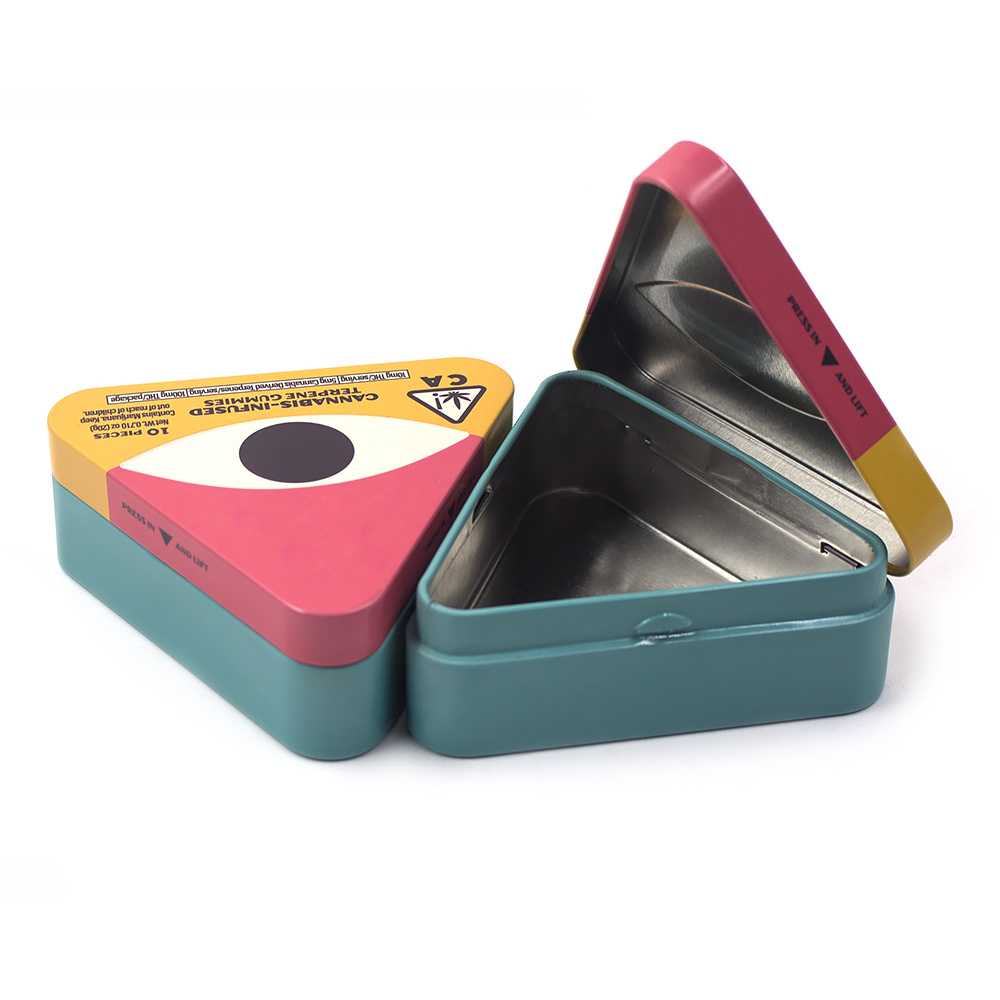
L'emballage doit refléter le positionnement de la marque. Les produits haut de gamme utilisent souvent des boîtes métalliques avec des finitions décoratives, tandis que les produits grand public reposent sur des distributeurs en plastique légers. Les marques éco-responsables combinent généralement des structures en carton avec des systèmes de recharge.
Coût et logistique:
Le choix du matériau affecte directement le coût unitaire, poids du fret, et efficacité d'expédition. Le plastique est généralement le plus rentable à grande échelle, tandis que les boîtes augmentent le coût mais améliorent la valeur perçue et la durabilité.
Compatibilité de production:
L'emballage doit fonctionner sans problème avec les lignes de remplissage, systèmes d'étanchéité, et équipement d'encartonnage. Même de petites modifications de conception peuvent affecter la vitesse de production et l’efficacité globale de la fabrication..
Pensées finales
L'emballage de la menthe haleine affecte directement la fraîcheur, stabilité des étagères, et perception de la marque, façonner la façon dont les clients perçoivent votre produit et s'ils le rachètent. Même si un emballage à faible coût peut réduire les dépenses initiales, il échoue souvent à cause de l'humidité, perte de saveur, et gérer le stress dans les chaînes d'approvisionnement réelles. Vous devez valider les matériaux, scellage, et la conception de la distribution par échantillonnage et tests avant de mettre à l'échelle la production pour garantir des performances constantes. Si vous développez une solution à base d'étain pour les menthes pour l'haleine ou d'autres produits de confiserie, travailler avec un fabricant spécialisé peut réduire considérablement les risques et améliorer la cohérence. Hommes d'étain fournit des solutions d'emballage en étain personnalisées conçues pour équilibrer la protection des produits, impact sur la marque, et une production évolutive—Contactez-nous pour démarrer votre projet OEM dès aujourd'hui.
Foire aux questions
Quel est le meilleur matériau d’emballage pour les menthes pour l’haleine?
Le bon matériau dépend entièrement de votre positionnement sur le marché et de votre formule. Les boîtes métalliques et les boîtes en plastique rigide dominent le segment nomade car elles protègent les comprimés fragiles et facilitent leur distribution.. Pour les formats vrac et recharge, les sachets barrières flexibles ou les cartons couchés offrent la meilleure rentabilité.
Dois-je choisir des contenants en étain ou en plastique pour ma marque de menthe haleine?
Utilisez des boîtes métalliques pour cibler un marché premium, prolonger la durée de conservation, ou faites appel aux acheteurs éco-responsables qui réutilisent les conteneurs. Les contenants en plastique conviennent mieux au marché de masse, vente au détail à gros volume. Le plastique maintient les coûts unitaires bas, réduit le poids d'expédition, et permet une distribution pratique à une main comme les flip-tops et les curseurs.
Comment l'emballage garde-t-il les menthes fraîches et empêche-t-il l'agglutination?
La fraîcheur repose sur une barrière étanche contre l'humidité et l'oxygène. Les boîtes métalliques utilisent un film intérieur ou des fermetures hermétiques pour bloquer l'humidité., tandis que les distributeurs en plastique dépendent de précision, couvercles à pression sécurisés. Les fabricants ajoutent également de petits paquets déshydratants ou utilisent des cartes blister à haute barrière pour empêcher les menthes compressées d'absorber l'humidité., ramollissement, ou coller ensemble dans des conditions humides.