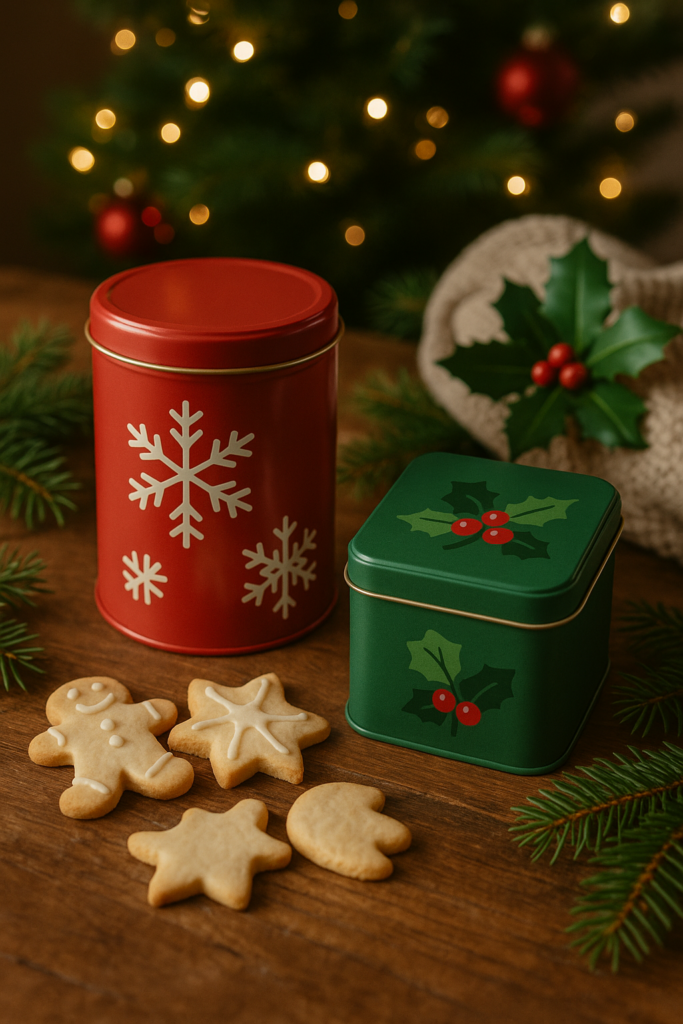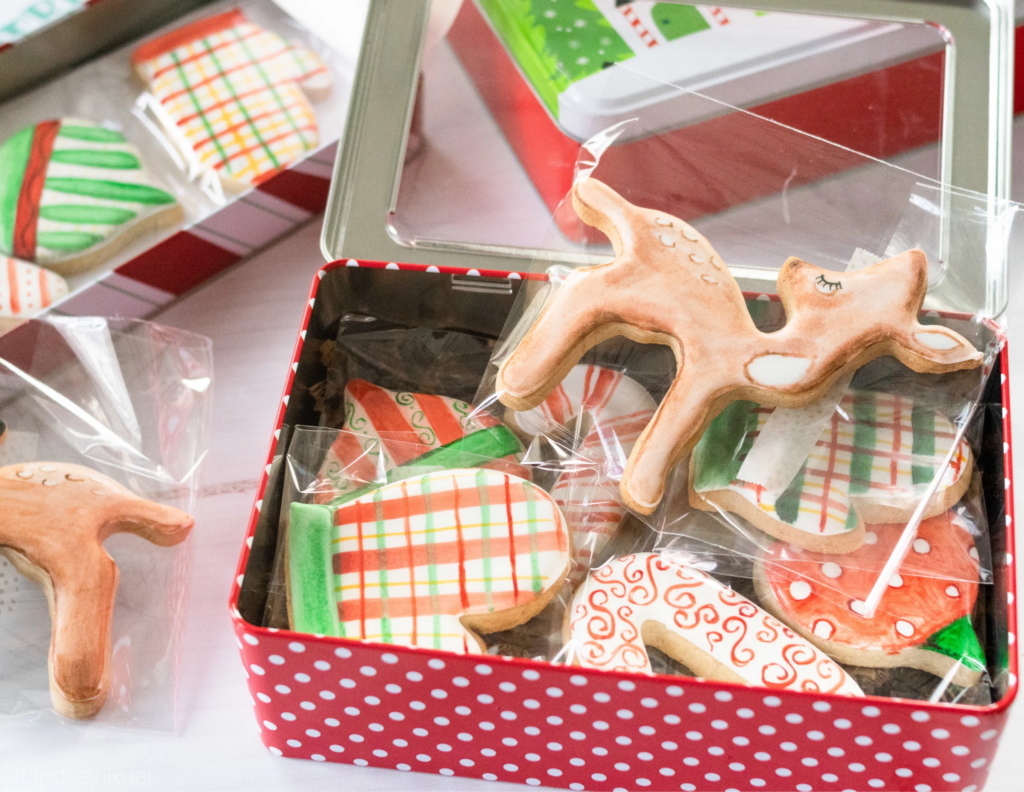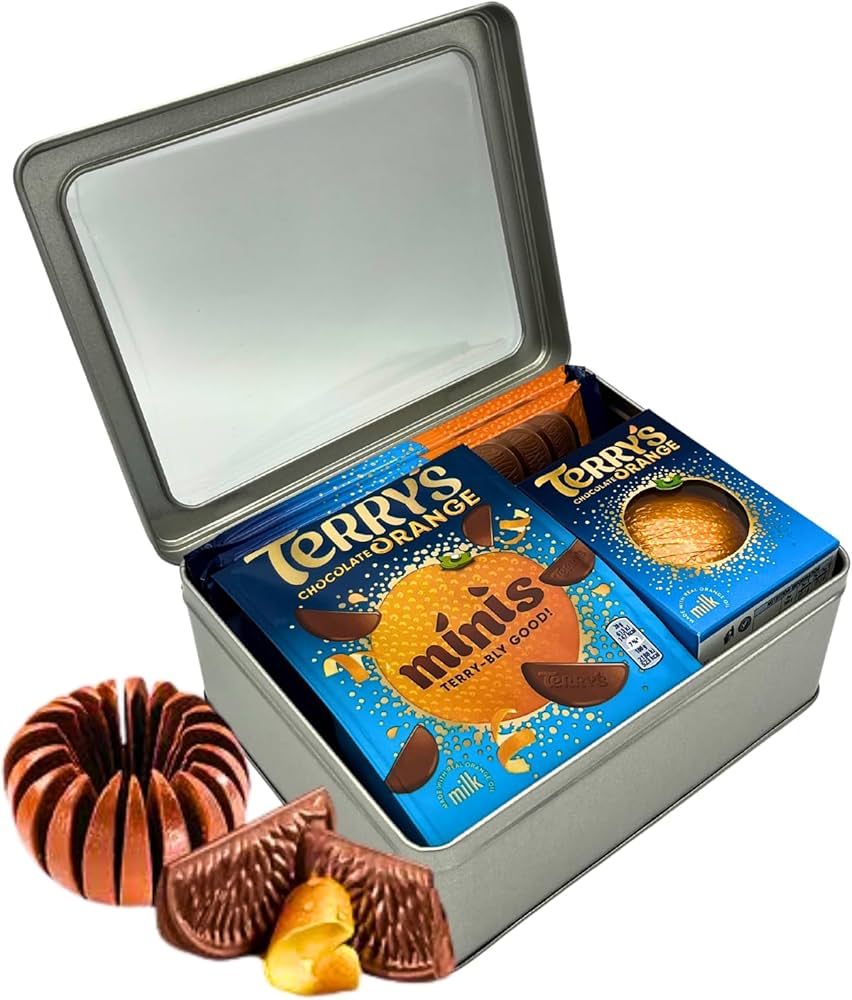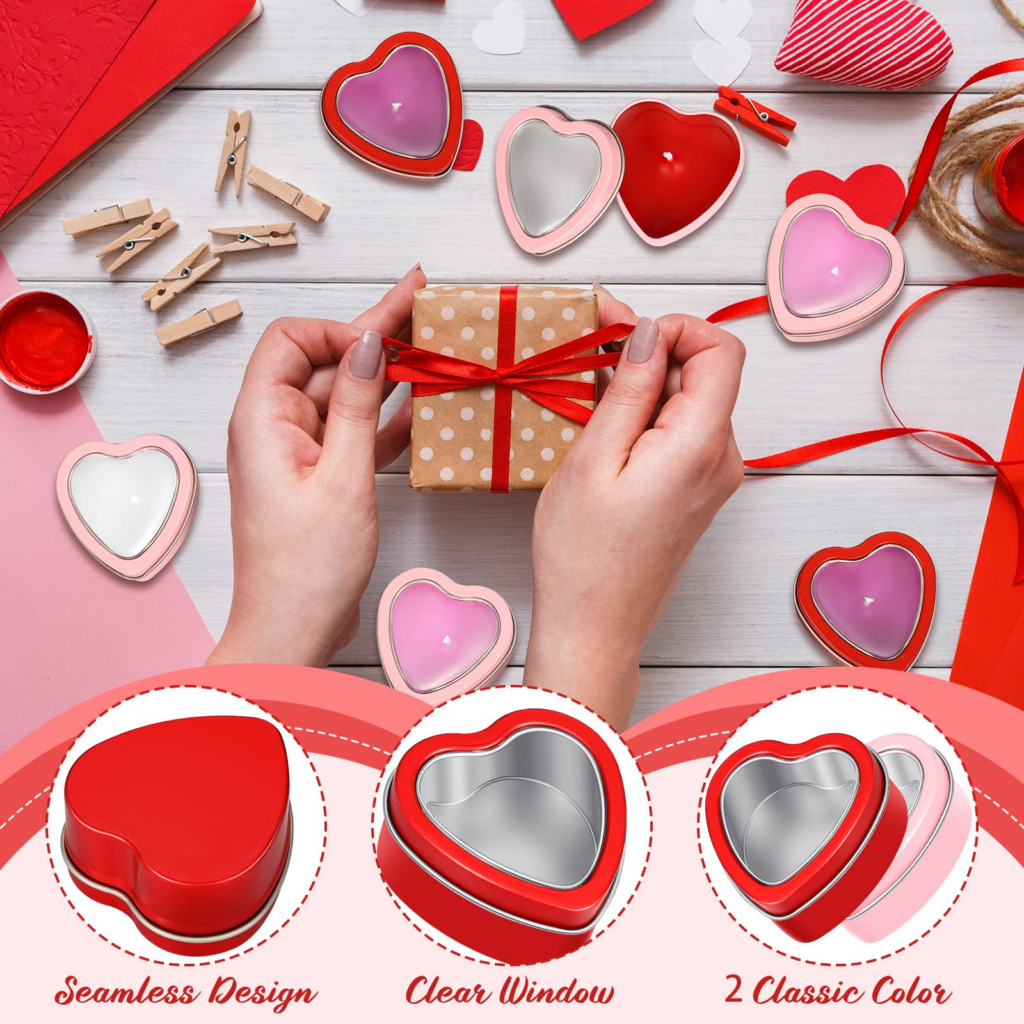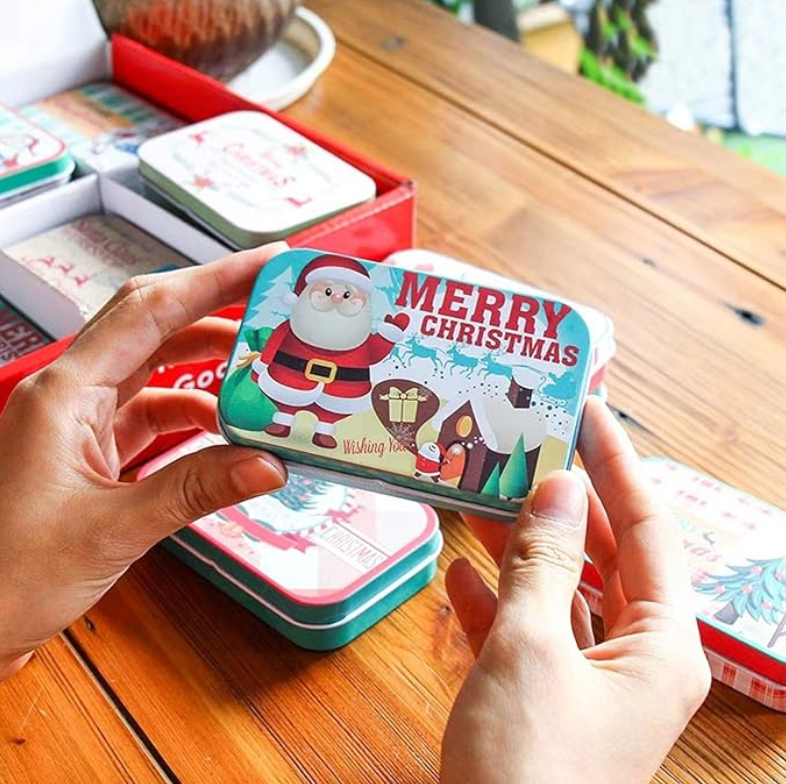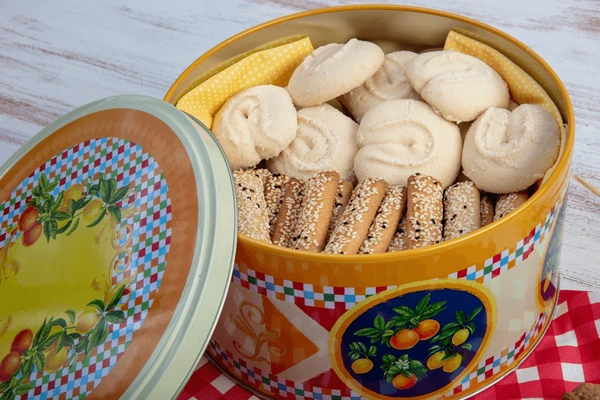
In today’s competitive packaging landscape, first impressions don’t just come from color or shape—they come from how your packaging feels and reflects light. The finish of a tin box subtly communicates quality, positioning, and brand personality before a customer ever opens it.
Matte or gloss? This question is no longer just a design preference. It’s a strategic decision that influences shelf presence, tactile experience, and long-term brand perception. En esta guía, we’ll break down the real differences between matte and gloss finishes, explore matte vs gloss lamination in detail, and help you choose the right solution for your custom metal tin box.
Why Tin Box Finishes Matter More Than You Think

The surface finish is one of the final yet most impactful stages in the manufacture of tin packaging. It transforms printed metal sheets into a branded experience.
How Finishes Influence Brand Perception
- They shape emotional response at first touch
Customers subconsciously associate certain textures with luxury, durabilidad, or playfulness. A matte surface feels calm and refined, while gloss feels energetic and bold.
- They affect how colors and graphics are perceived
The same artwork can look dramatically different depending on whether light is absorbed or reflected by the surface.
- They enhance perceived product value without changing materials
A well-chosen finish can make a standard tin box feel premium, without increasing material thickness or structure costs.
- They support brand consistency across product lines
Finish selection helps unify packaging across SKUs, especially for brands scaling globally.
What Is Matte Lamination in Tin Packaging?
Matte lamination is a surface treatment that creates a soft, non-reflective finish on printed metal sheets, widely used in premium tin packaging.
Key Visual and Tactile Characteristics
- Low-reflection, muted elegance
Matte lamination diffuses light, making colors appear more controlled and sophisticated rather than overly bright.
- Soft-touch and comfortable hand feel
The subtle texture encourages customers to hold the packaging longer, enhancing the unboxing experience.
- Minimalist and modern appearance
Matte finishes pair well with clean typography, realce, Debilitamiento, and restrained color palettes.
Brand Scenarios Where Matte Lamination Excels
- Premium and luxury product lines
Ideal for cosmetics, velas, té, café, and gift tins where refinement matters more than visual loudness. - Eco-conscious or design-driven brands
Matte surfaces often align with sustainability-focused storytelling and understated branding. - High-detail logos and structural elements
On a custom metal tin box, matte lamination highlights embossed logos and fine lines without glare distraction.
What Is Gloss Lamination in Tin Box Manufacturing?

Gloss lamination creates a shiny, reflective surface that enhances brightness and visual impact—making it a long-standing favorite in retail packaging.
Key Visual and Functional Characteristics
- High shine and vivid color enhancement
Gloss finishes intensify colors, making graphics appear more saturated and eye-catching. - Smooth, polished surface appearance
The reflective coating gives the tin a clean, energetic look commonly associated with commercial packaging. - Strong shelf visibility
Gloss lamination is especially effective in busy retail environments where products compete for attention.
When Gloss Lamination Is the Better Choice
- Mass-market or promotional packaging
Ideal for confectionery tins, seasonal gift boxes, and promotional campaigns. - Youthful or playful brand identities
Bright colors and dynamic graphics perform better under gloss finishes. - High-volume manufacture of tin products
Gloss lamination is efficient and consistent for large-scale production runs.
Mate vs.. Gloss Finishes: Which Is Best for Your Packaging?
| Feature | Acabado mate | Acabado brillante |
| Visual Effect | Suave, non-reflective, understated | Shiny, reflective, eye-catching |
| Color Appearance | Muted, controlled, elegant | Bright, vibrant, high contrast |
| Touch & Texture | Smooth, soft-touch, sensación premium | Slick, polished, smooth surface |
| Fingerprints | Less visible | More visible |
| Brand Positioning | Luxury, minimalist, premium brands | Bold, playful, mass-market brands |
| Best Use Case | High-end, gift, long-term storage tins | Retail display, promotional tins |
There is no universally “better” finish—only the one that best supports your brand goals.
Choose Matte Finishes If Your Brand Prioritizes:
- Luxury, calmness, and sophistication
Matte lamination signals confidence without being visually aggressive. - Tactile experience and emotional engagement
Customers are more likely to interact physically with matte packaging. - Reduced glare in high-end retail or online photography
Matte surfaces photograph cleanly under studio lighting.
Choose Gloss Finishes If Your Brand Needs:
- Maximum visual impact on crowded shelves
Gloss helps products stand out instantly from a distance. - Bold colors and graphic-heavy designs
Artwork appears brighter and more dynamic under gloss lamination. - Cost-efficient, scalable production
Especially suitable for standardized, high-volume custom metal tin box projects.
Mate vs.. Gloss Lamination: A Real Contrast in Practical Use

Beyond aesthetics, matte and gloss lamination behave differently in daily handling and logistics.
Durability and Maintenance
- Matte finishes tend to hide fingerprints but may show scuffs more easily.
- Gloss finishes resist minor scratches better but reveal fingerprints and reflections.
Printing and Branding Effects
- Matte lamination emphasizes structure, realce, and subtle contrasts.
- Gloss lamination enhances flat graphics, gradients, and colorful illustrations.
Customer Interaction Experience
- Matte encourages slow, intentional interaction.
- Gloss delivers quick visual excitement and impulse appeal.
Understanding these contrasts allows brands to make smarter decisions during the manufacture of tin packaging.
Pensamientos finales: Let Your Tin Box Finish Tell the Right Brand Story
Choosing between matte and gloss isn’t about trends—it’s about intention. The finish you select should support how you want your brand to be seen, touched, and remembered.
Whether you opt for the refined softness of matte lamination or the bold shine of gloss, aligning your surface finish with your brand strategy ensures your tin packaging does more than protect—it communicates.
If you’re developing a new caja de lata de metal personalizada or optimizing your current manufacture of tin packaging, the right finish can quietly—but powerfully—elevate your entire brand experience.
Preguntas frecuentes: Mate vs.. Gloss Tin Box Finishes
Which finish is better for embossing on a custom metal tin box?
Matte finishes usually highlight embossing and debossing better due to reduced reflection. This makes logos and textures stand out more clearly.
Is gloss more durable than matte?
Gloss finishes resist minor scratches better, while matte finishes hide fingerprints more effectively. Both are durable when applied correctly in the manufacture of tin packaging.
Can matte and gloss be combined on one tin box?
Sí. A matte base with spot gloss accents is a popular premium choice that adds contrast and visual focus without overdesigning.