El empaque de chocolate juega un papel directo en la elección de la estructura de producto adecuada para su marca.. Afecta a la protección durante el transporte, rendimiento en el estante, y cómo los clientes juzgan su producto antes de comprarlo. Cuando estos factores no están alineados, Incluso un buen producto de chocolate puede tener un rendimiento inferior en el mercado..
Esta guía le ayuda a comprender las funciones clave detrás de los envases de chocolate para que pueda tomar decisiones más informadas para su marca.. Desglosa lo que más importa a la hora de seleccionar una solución de embalaje que se ajuste tanto a su producto como a sus objetivos comerciales..
¿Qué hace que un buen envase de chocolate??
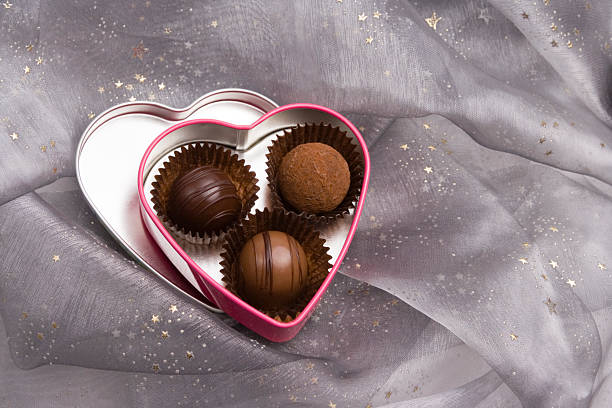
Un buen envase de chocolate debe equilibrar la protección, presentación, y practicidad de producción. Un paquete visualmente atractivo puede ayudar a atraer clientes., pero si la estructura no puede proteger el chocolate durante el transporte o almacenamiento, crea daño al producto, vida útil más corta, y quejas de clientes.
Los productos de chocolate son muy sensibles a las condiciones externas.. Los cambios de temperatura pueden ablandar el producto., la humedad puede afectar la textura y la apariencia, y la presión física puede dañar superficies o empastes delicados. Debido a esto, La selección del embalaje debe comenzar con los requisitos de protección del producto en lugar de solo con la decoración..
Al evaluar los envases de chocolate, Las marcas deben centrarse en varias áreas clave..
| Función de embalaje | Por qué es importante |
|---|---|
| Protección del producto | Previene la fusión, exposición a la humedad, deformación, y contaminación |
| Apelación de estantería | Ayuda a que los productos se destaquen en entornos minoristas abarrotados |
| Comunicación de marca | Refleja la historia de tu marca, nivel de calidad, y público objetivo |
| Experiencia de usuario | hace apertura, almacenar, y regalar más agradable |
| Eficiencia Logística | Admite apilamiento, envío, y manejo de inventario |
| Sostenibilidad | Cumple con las expectativas de los consumidores modernos en cuanto a envases ecológicos |
Los requisitos de embalaje también varían según los canales de venta.. Los productos vendidos a través del comercio electrónico generalmente requieren una mayor durabilidad estructural porque los paquetes pasan por múltiples etapas de manipulación.. Los productos de regalo minoristas pueden priorizar la calidad de la presentación y el acabado premium., mientras que los envases de los supermercados suelen centrarse más en el control de costes y la eficiencia en los lineales.
Tipos de envases de chocolate populares y sus beneficios
Barras de chocolate envueltas en papel de aluminio
El embalaje envuelto en papel de aluminio es una de las soluciones más comunes para las barras de chocolate porque proporciona una protección confiable de la frescura y al mismo tiempo respalda una producción eficiente a gran escala.. En la mayoría de los casos, Primero se sella el chocolate con papel de aluminio o película metalizada para reducir la exposición a la humedad y el oxígeno., Luego se cubre con una funda de papel o cartón impreso para la marca y la información del producto.. Este formato de embalaje funciona especialmente bien para supermercados y productos minoristas cotidianos porque es liviano., apilable, y rentable.
- Protección de barrera: Las capas de papel de aluminio ayudan a preservar el sabor y la textura del chocolate al reducir la exposición a la humedad y al oxígeno..
- Eficiencia de producción: Esta estructura admite envoltura automatizada de alta velocidad y fabricación de gran volumen..
- Flexibilidad de estantes: Los formatos de embalaje delgados mejoran el rendimiento de apilamiento y la organización de los estantes del comercio minorista.
Cajas rígidas de chocolate
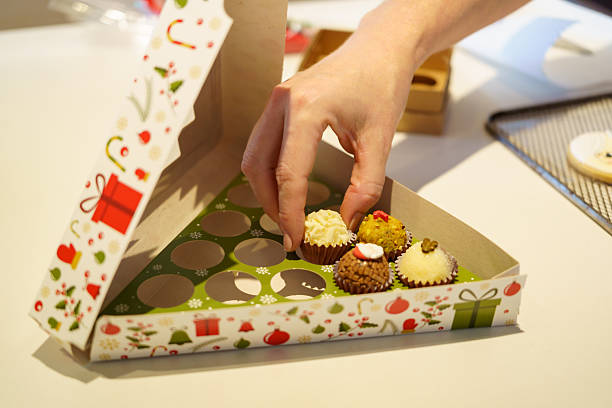
Las cajas rígidas se utilizan comúnmente para surtidos de chocolate premium y colecciones de regalos porque brindan una protección estructural más fuerte y una presentación más refinada.. A diferencia de las cajas plegables, Las cajas rígidas utilizan una construcción de tablero más grueso que ayuda a prevenir la deformación durante el envío y la manipulación minorista.. También permiten a las marcas agregar inserciones personalizadas que estabilizan los chocolates delicados y mejoran la organización interna..
- Estabilidad estructural: un grueso, El tablero rígido reduce el riesgo de aplastamiento durante el transporte y el almacenamiento..
- Presentación Premium: Los cierres magnéticos y los sistemas de apertura en capas crean una experiencia de cliente más exclusiva.
- Insertar compatibilidad: EVA, acudieron, o los insertos de ampolla ayudan a asegurar los frágiles trozos de chocolate en su lugar.
Embalaje de caja de hojalata decorativa
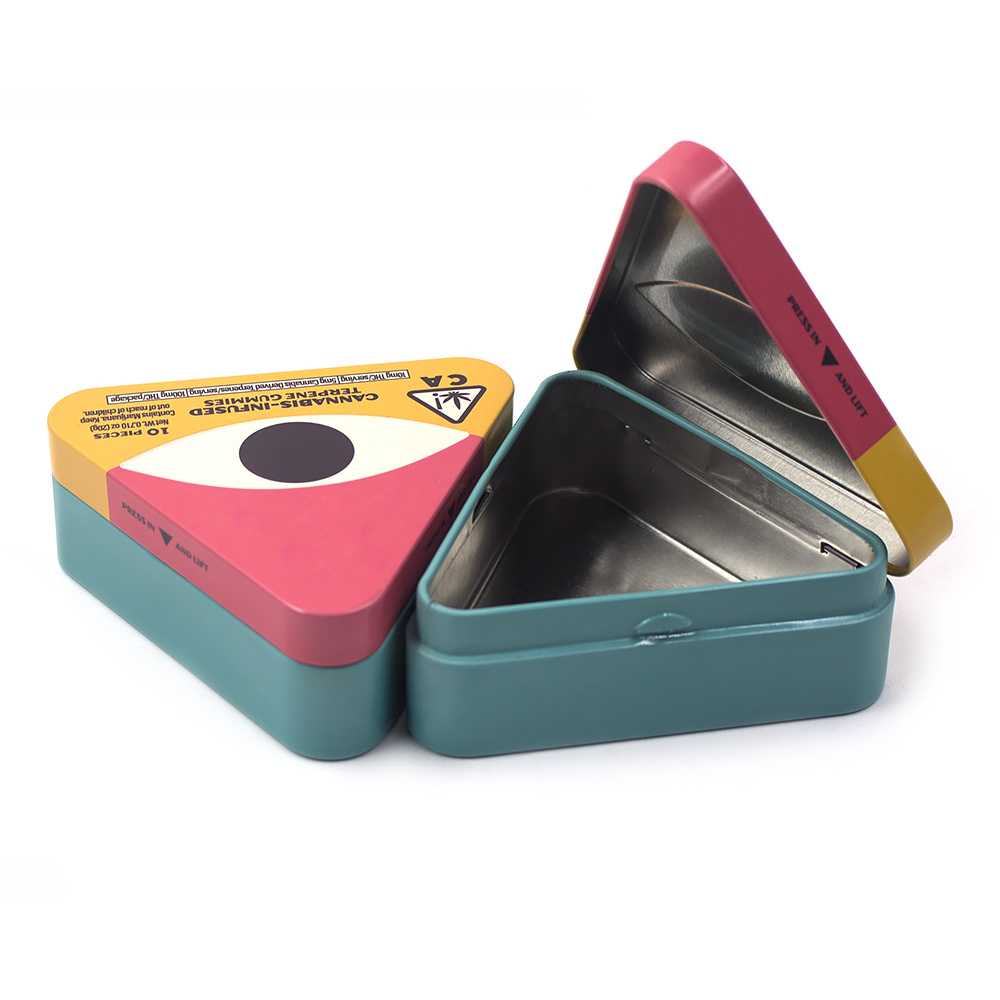
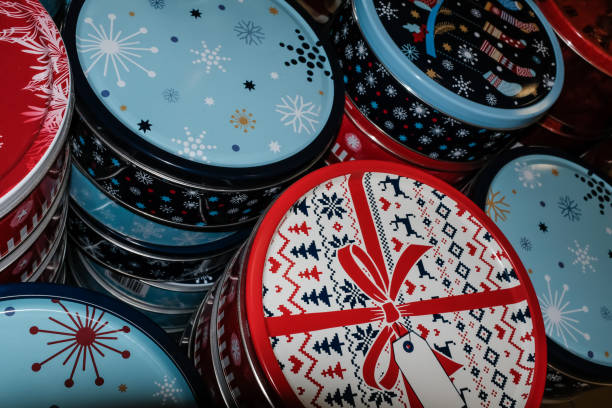
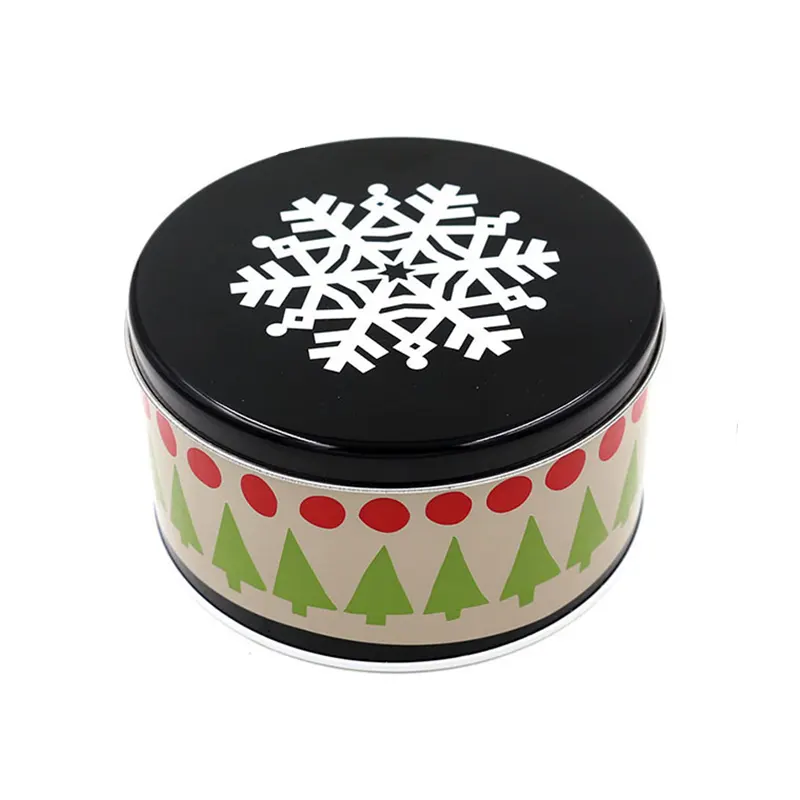
Las cajas de hojalata decorativas se utilizan mucho para colecciones de temporada., regalos premium, y productos de chocolate de edición limitada porque combinan durabilidad con visibilidad de marca a largo plazo.. El embalaje en cajas de hojalata funciona especialmente bien en entornos de comercio electrónico y distribución internacional donde los productos pueden experimentar manipulación repetida o presión de apilamiento.. Los acabados decorativos y las formas personalizadas también ayudan a que los productos se destaquen de manera más efectiva en los abarrotados estantes de las tiendas minoristas..
- Resistencia al impacto: Las estructuras metálicas proporcionan una mayor protección contra aplastamientos y presiones externas..
- Visibilidad minorista: Realce, impresion metalica, y las formas personalizadas mejoran la diferenciación en los estantes.
- Valor reutilizable: Los consumidores suelen reutilizar cajas de lata de chocolate para almacenamiento, ampliar la exposición de la marca a largo plazo.
Bolsas flexibles
Las bolsas flexibles se usan comúnmente para bocadillos de chocolate y productos del tamaño de un bocado porque son livianas., portátil, y fácil de guardar. Los sistemas resellables mejoran la comodidad para el consumo diario al tiempo que reducen el peso del embalaje durante el transporte. Este formato de embalaje funciona particularmente bien para entornos de supermercados y distribución minorista de gran volumen..
- Eficiencia de envío: Los materiales livianos ayudan a reducir los costos de transporte y almacenamiento..
- Comodidad para el consumidor: Los cierres resellables permiten el uso repetido y el control de las porciones..
- Flexibilidad de almacenamiento: Las estructuras flexibles requieren menos espacio de almacenamiento que los formatos de embalaje rígidos.
Cajas de chocolates con ventana
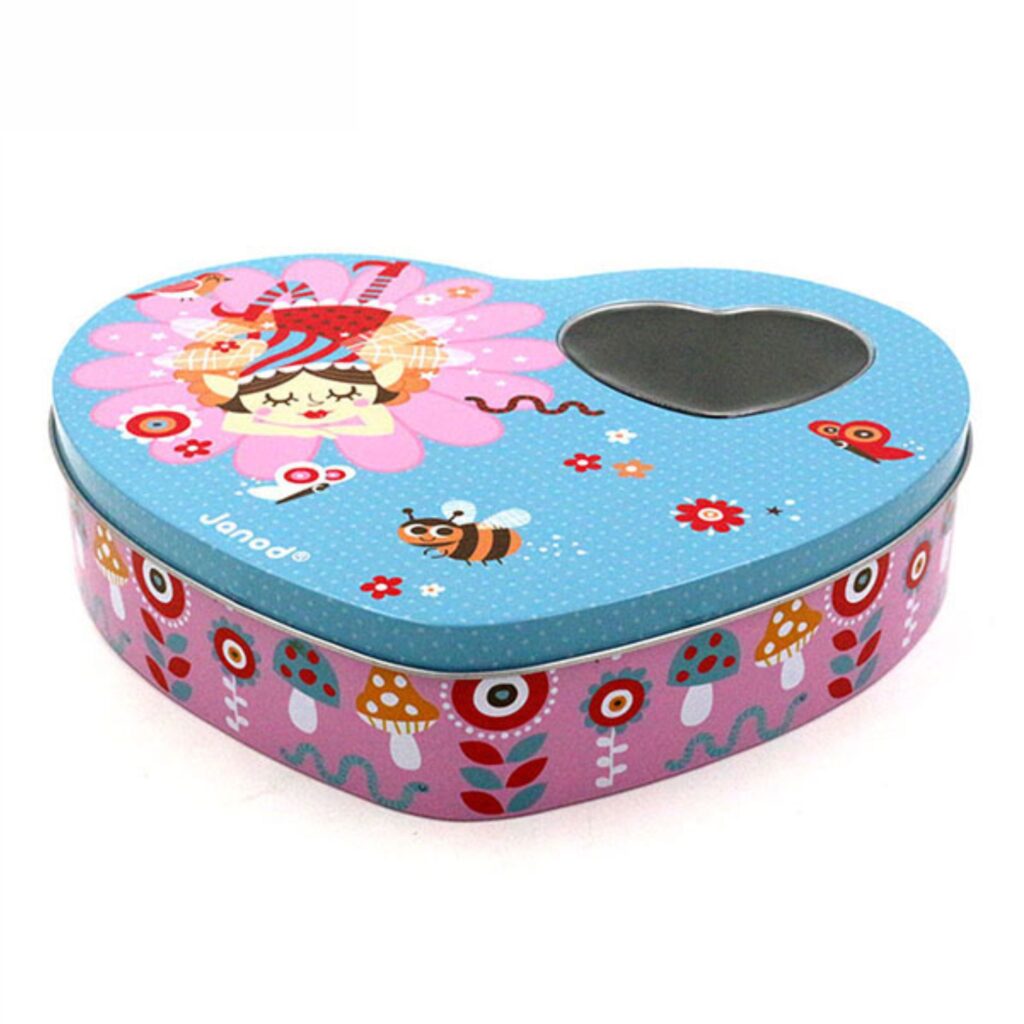
Las jardineras permiten a los clientes ver directamente el producto de chocolate antes de comprarlo., haciéndolos especialmente adecuados para chocolates hechos a mano o visualmente decorativos.. Los paneles de visualización transparentes ayudan a mejorar la visibilidad del producto manteniendo la estructura exterior del embalaje.. Este estilo de empaque se utiliza a menudo en entornos minoristas boutique donde la artesanía visual influye fuertemente en las decisiones de compra..
- Visibilidad del producto: Las ventanas transparentes ayudan a los clientes a inspeccionar la apariencia del chocolate antes de comprarlo..
- Posicionamiento Artesanal: La presentación visible respalda la narración de productos hechos a mano y de primera calidad..
- Mostrar atractivo: Las estructuras de ventanas mejoran la comercialización visual en entornos minoristas boutique.
Mejore sus dulces con latas de chocolate premium
Cómo el diseño del packaging influye en la percepción de la marca
El diseño del packaging determina directamente cómo los clientes interpretan la calidad de su chocolate., nivel de precios, y posicionamiento de marca incluso antes de que lo prueben. En entornos minoristas, Las decisiones de compra a menudo ocurren en segundos., hacer de su embalaje el primer y más influyente punto de comunicación. Cuando diseñas envases, Básicamente, estás definiendo cómo se juzga tu marca en el lineal..
Color e identidad visual
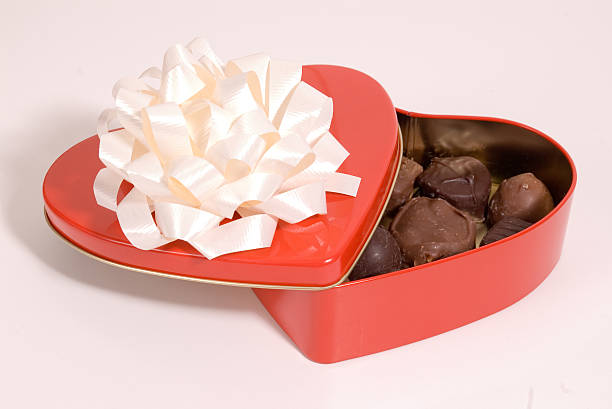
El color suele ser la primera señal que utilizan los clientes para comprender su producto., y comunica rápidamente si su chocolate se siente premium, juguetón, natural, o orientado a regalos. Los tonos oscuros combinados con detalles metálicos a menudo se asocian con un posicionamiento de alta gama., mientras que los colores más brillantes sugieren un consumo casual o cotidiano. Cuando su sistema de color es consistente en todos los SKU, también fortalece el reconocimiento y ayuda a que sus productos se destaquen en entornos minoristas abarrotados donde la atención es limitada..
Diseño de embalaje estructural
La estructura del embalaje juega un papel directo en la configuración del valor percibido., y los clientes suelen asociar rígidos, embalaje bien construido con mayor calidad del producto. Si eliges cajas estilo cajón, cierres magnéticos, o formatos rígidos personalizados, puede mejorar inmediatamente la experiencia de unboxing y reforzar el posicionamiento premium. Al mismo tiempo, Aún necesita asegurarse de que la estructura funcione de manera eficiente en producción., envío, y exhibición minorista sin agregar complejidad o costo innecesarios.
Detalles de impresión y acabado
Los detalles de impresión y acabado son los elementos que hacen que su embalaje empiece a sentirse premium de forma tangible., y las pequeñas diferencias pueden influir fuertemente en la percepción del cliente.. Técnicas como el relieve., estampado de papel de aluminio, laminación mate, y Spot UV le permiten resaltar elementos clave de la marca y crear profundidad visual.. Cuando estos efectos se aplican estratégicamente y no excesivamente, ayudan a que su embalaje comunique calidad y fortalezca la credibilidad de la marca en el lineal..
Diseño de packaging para diferentes canales minoristas
El diseño de su empaque debe adaptarse al canal donde se vende su chocolate porque el comportamiento del cliente es muy diferente entre los supermercados., boutiques, y comercio electrónico. en supermercados, necesita una claridad visual rápida y un fuerte contraste en los estantes para captar la atención rápidamente. En boutique o venta minorista de regalos., la presentación y los detalles importan más. Para el comercio electrónico, La durabilidad se vuelve crítica ya que su embalaje debe sobrevivir a múltiples etapas de manipulación y al mismo tiempo llegar limpio., condición premium.
Protección de equilibrio, Duración, y presentación
Los envases de chocolate deben equilibrar la protección, duración, y presentación visual de forma práctica. Si te concentras solo en la apariencia, El producto puede dañarse durante el envío.. Si te concentras solo en la protección, Es posible que el embalaje no atraiga a los clientes en el lineal..
Sistemas de protección de barreras
La protección de barrera es esencial para mantener la calidad del chocolate durante el almacenamiento y la distribución., especialmente en ambientes con temperaturas y humedad cambiantes. Materiales como revestimientos de aluminio., películas metalizadas, y las capas internas de calidad alimentaria ayudan a reducir la exposición al oxígeno., humedad, y olores externos. Al seleccionar el embalaje, Esta capa es particularmente importante para productos con cadenas de suministro más largas o requisitos de envío internacional..
Diseño de durabilidad estructural
La durabilidad estructural garantiza que los envases de chocolate puedan resistir la compresión, apilado, y manejo repetido durante toda la logística y exhibición minorista. Se utilizan habitualmente cajas rígidas y envases de hojalata porque mantienen la integridad de la forma y reducen el riesgo de deformación del producto.. Para marcas que operan en el comercio electrónico o mercados de exportación, Un diseño estructural sólido es fundamental para proteger tanto la calidad del producto como la reputación de la marca..
Presentación e impacto en el estante
La presentación determina la rapidez con la que los clientes notan y evalúan su producto en entornos minoristas competitivos.. Incluso el chocolate bien protegido puede tener un rendimiento inferior si el envase no transmite calidad a primera vista.. El diseño eficaz garantiza que el atractivo visual se mantenga constante después del envío y la manipulación., sin dejar de alinearse con el posicionamiento de marca previsto y el nivel de precios.
Opciones de envasado de chocolate sostenible
Sostenibilidad en los envases de chocolate ya no se limita únicamente a la elección del material. Sus marcas deben considerar la reciclabilidad, protección del producto, y cómo se comporta el embalaje en entornos reales de venta minorista y envío. Las soluciones más eficaces son aquellas que equilibran la responsabilidad medioambiental con el rendimiento funcional del embalaje..
Embalaje de papel reciclable
Los envases a base de papel reciclable se utilizan ampliamente en productos de chocolate porque respaldan tanto los objetivos de sostenibilidad como el sólido desempeño de la marca.. Permite impresión y acabado de alta calidad sin dejar de ser compatible con los sistemas de reciclaje establecidos en la mayoría de los mercados.. Sin embargo, Los envases de papel a menudo necesitan capas internas adicionales para mantener una barrera de protección adecuada para los productos de chocolate..
Embalaje de caja de hojalata reutilizable
El embalaje en caja de hojalata ofrece sostenibilidad gracias a la reutilización, ya que los consumidores suelen guardar las latas para guardarlas o regalarlas en lugar de desecharlas. Esto reduce el desperdicio de un solo uso y al mismo tiempo extiende la exposición de la marca a lo largo del tiempo.. También proporciona una fuerte protección contra la presión., humedad, y daños de transporte, haciéndolo ideal para chocolate premium, juegos de regalo, y productos de temporada, mientras apoya impresión personalizada y diseño estructural.
Soluciones híbridas y de plástico reducido
En muchos escenarios de producción, Quitar completamente el plástico no es práctico., especialmente cuando la estabilidad del producto es una prioridad. Es por eso que muchas marcas optan por soluciones híbridas o con reducción de plástico., como bandejas de pulpa moldeadas o insertos reciclables. Estas opciones ayudan a reducir el impacto ambiental y al mismo tiempo garantizan que las piezas de chocolate permanezcan estables y protegidas durante el transporte y la manipulación minorista..
Cómo elegir el embalaje para diferentes productos de chocolate
La elección del envase de chocolate requiere conectar las características del producto con la estructura de envase adecuada. En lugar de analizar los tipos de envases de forma aislada, deberías igualar la fragilidad, posicionamiento, y requisitos del canal con una solución de embalaje adecuada. Esto garantiza que tanto la protección del producto como el desempeño del mercado estén alineados..
Nivel de fragilidad del producto
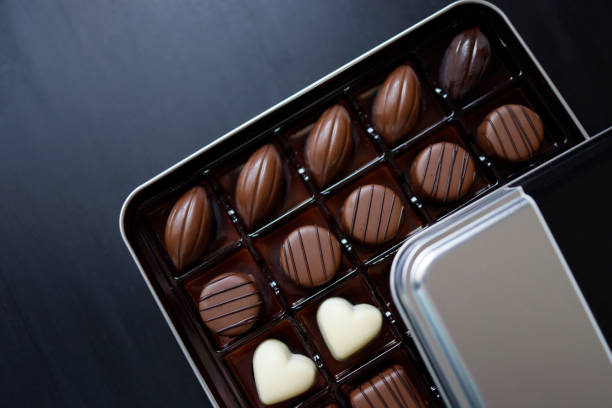
El primer paso es evaluar qué tan frágil es el chocolate., ya que esto determina el nivel de protección interna y externa requerida. Los productos delicados como las trufas o los chocolates rellenos necesitan un soporte estructural más fuerte, mientras que las barras de chocolate sólidas pueden utilizar formatos de envasado más simples.
- Chocolates frágiles: Cajas rígidas o embalajes de hojalata con bandejas internas para evitar movimientos y daños en la superficie..
- Chocolates estándar: Cajas de cartón con envoltorio de aluminio para una protección básica y rentabilidad.
- Piezas premium hechas a mano: Cajas de hojalata o cajas de regalo rígidas con compartimentos para una mejor estabilidad y presentación..
Posicionamiento de mercado y nivel de precios
Su embalaje debe coincidir con el valor percibido del producto.. Un posicionamiento de precios más alto requiere un impacto estructural y visual más fuerte, mientras que los productos del mercado masivo priorizan la eficiencia y la asequibilidad.
- Segmento Premium: Embalaje en caja de hojalata o cajas rígidas para reforzar la percepción de lujo y la experiencia de unboxing..
- Productos de gama media: Cajas rígidas con acabado impreso para lograr un equilibrio entre costos y marca.
- Mercado masivo: Cajas de cartón o envases flexibles para lograr eficiencia en el comercio minorista de gran volumen.
Requisitos del canal de distribución
Diferentes canales de ventas requieren diferentes niveles de rendimiento de embalaje, especialmente en términos de durabilidad y presentación en el estante..
- Envío de comercio electrónico: Cajas de hojalata o cajas rígidas para soportar la presión de manipulación y transporte en varias etapas..
- Supermercado minorista: Cajas de cartón con gráficos llamativos en los estantes para un rápido reconocimiento del cliente.
- Regalo & Canales boutique: Embalaje personalizado en cajas de hojalata o cajas rígidas de primera calidad para mejorar el valor emocional y la calidad de la presentación..
Escala de producción y rentabilidad
El volumen de producción también influye en la selección del empaque porque el costo de las herramientas, plazo de entrega, y se debe considerar la eficiencia de fabricación.
- Órdenes de gran volumen: Embalaje de cartón estándar para reducir costos y ciclos de producción más rápidos.
- Producción de volumen medio: Cajas rígidas con personalización moderada para una marca equilibrada y control de costos..
- Pequeño / Carreras premium: Embalaje de caja de hojalata personalizado para una mayor diferenciación de marca y valor a largo plazo.
Pensamientos finales
Tomar atajos en el embalaje mediante el uso de materiales genéricos a menudo genera problemas más adelante en la cadena de suministro., especialmente cuando los chocolates premium enfrentan el calor, presión, o transporte de larga distancia. Las marcas que quieren mantener la integridad del producto suelen confiar en cajas de hojalata metálicas rígidas combinadas con envoltorios interiores de alta barrera., que ayudan a proteger la textura, sabor, y presentación desde la producción hasta el lineal. Esta estructura es especialmente importante cuando el embalaje debe ofrecer protección y un fuerte valor de marca..
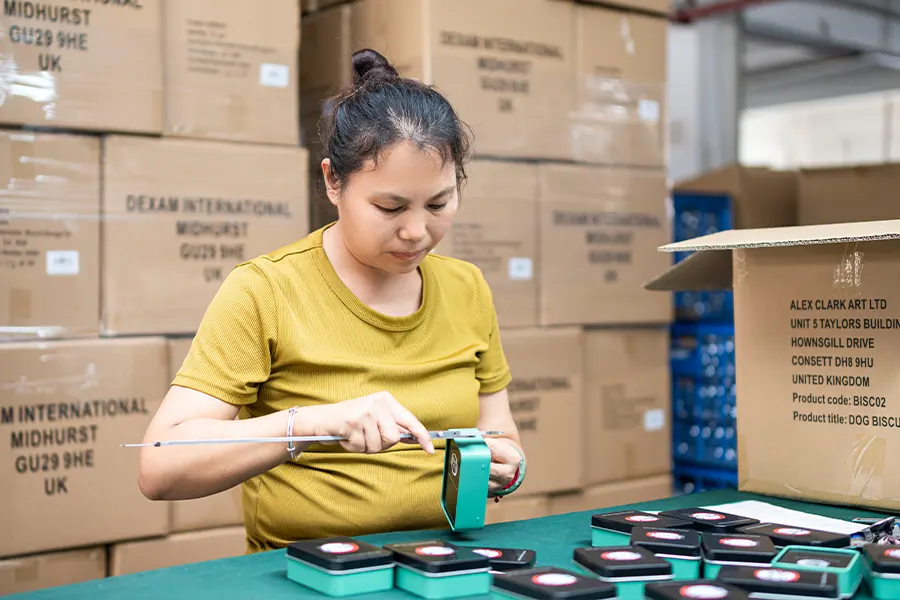
En Hombres de hojalata, Ayudamos a las marcas a convertir estos requisitos en envases de hojalata listos para producción en lugar de conceptos de diseño.. Desde el desarrollo estructural hasta la impresión y el muestreo personalizados, Cada proyecto se prueba para garantizar un ajuste adecuado y un rendimiento confiable en condiciones de distribución reales.
Si está planeando una nueva línea de chocolate o actualizar el empaque, contactar a los hombres de hojalata para analizar soluciones de cajas de hojalata personalizadas que protejan su producto y fortalezcan la presencia de su marca.
Preguntas frecuentes
¿Qué tipo de embalaje es mejor para los productos de chocolate premium??
Los productos de chocolate premium generalmente requieren cajas rígidas o de hojalata porque brindan una protección estructural más fuerte y una presentación más refinada.. Estos formatos también admiten acabados de alta gama, como estampado e impresión metálica., que ayuda a reforzar el valor de la marca en entornos minoristas competitivos.
¿Por qué se utilizan mucho las cajas de hojalata para envasar chocolate??
Cajas de lata son muy utilizados porque combinan durabilidad, apariencia premium, y reutilización a largo plazo. A diferencia de los cartones desechables, Los consumidores suelen conservar y reutilizar los envases de hojalata., que amplía la visibilidad de la marca y al mismo tiempo protege los chocolates de la presión., humedad, y daños de transporte.
¿Cómo elijo entre papel?, rígido, y envases de chocolate de hojalata?
La elección depende del posicionamiento del producto., fragilidad, y canal de distribución. Los envases de papel son adecuados para productos de venta masiva, Las cajas rígidas funcionan bien para chocolates de gama media y alta., mientras que el embalaje en caja de hojalata suele ser el preferido para productos premium y orientados a regalos que requieren protección y un fuerte impacto de marca..
¿Se pueden personalizar los envases de chocolate para diferentes tamaños de productos??
Sí, El embalaje de chocolate se puede personalizar completamente para que coincida con diferentes tamaños de productos., formas, y estructuras internas. Los embalajes de cajas de hojalata personalizados y las cajas rígidas pueden incluir inserciones como bandejas o compartimentos para estabilizar los productos y mejorar la presentación., especial para surtidos y chocolates artesanales.
¿Qué debo considerar al adquirir envases de lata de chocolate personalizados??
Al adquirir envases de hojalata personalizados, es importante considerar la resistencia estructural, cumplimiento de seguridad alimentaria, calidad de impresión, y escalabilidad de la producción. También se recomienda solicitar muestras antes de la producción en masa para garantizar un ajuste adecuado., durabilidad, y coherencia con el posicionamiento de su marca.