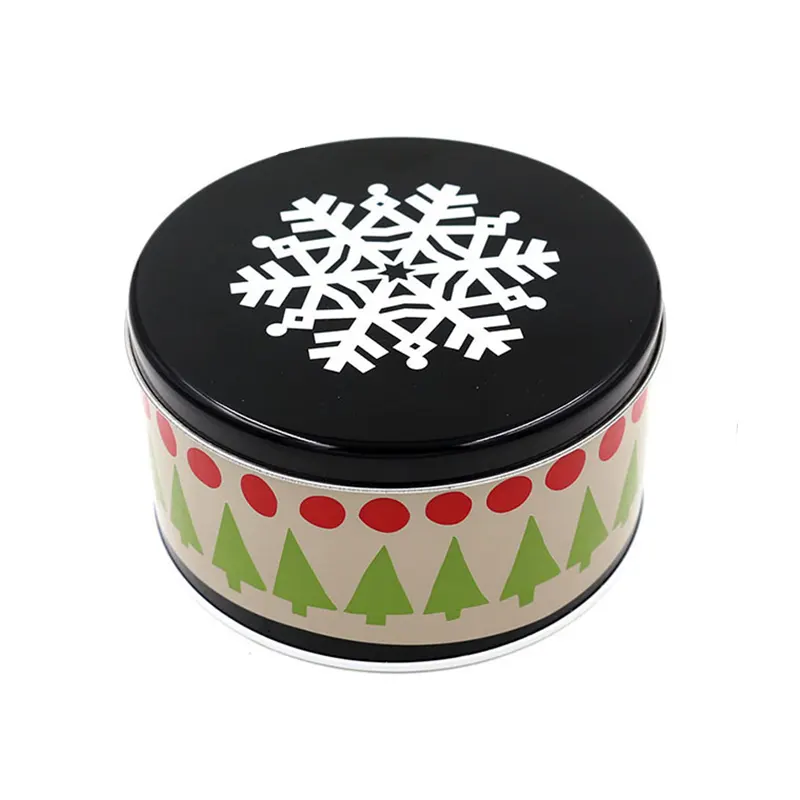
Fresh coffee can lose its aroma quickly if the packaging fails to block oxygen, moisture, or light. That is why choosing the right coffee tin manufacturer matters far beyond appearance or pricing.
A reliable supplier should offer food-safe materials, stable production quality, and packaging that fits your roasting and filling process. In this guide, we explain how to evaluate coffee tin manufacturers, compare production capabilities, and avoid costly sourcing mistakes before placing an order.
What Makes a Reliable Coffee Tin Manufacturer?
A reliable coffee tin manufacturer should offer more than attractive packaging. They should help protect coffee freshness, maintain stable production quality, and support long-term supply growth as your business expands. The best manufacturers usually combine food-safe materials, dependable production systems, and strong technical support within one operation.
Food Safety and Barrier Protection
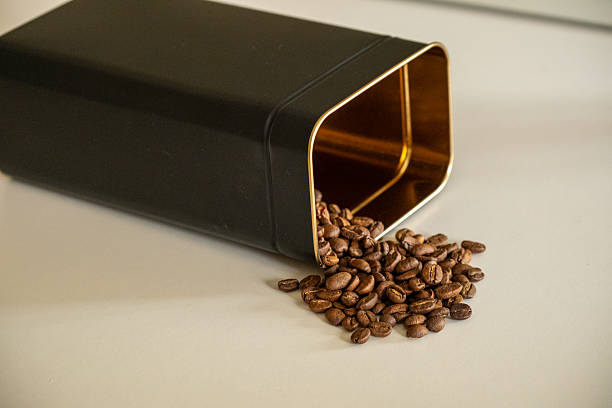
Coffee is highly sensitive to oxygen, moisture, light, and external odors. A reliable manufacturer should understand how these factors affect shelf life and use packaging materials designed specifically for coffee storage. Food-grade tinplate, protective internal coatings, and airtight sealing systems all play an important role in preserving aroma and flavor after roasting.
Manufacturers should also provide clear food-contact compliance documents and third-party testing reports when requested. Suppliers with experience in coffee packaging are usually better prepared to integrate features such as one-way degassing valves and gasket closures that help maintain freshness during transportation, warehousing, and retail display.
Production Quality and Supply Stability
Consistent production quality becomes more important as coffee brands scale into larger retail programs or seasonal product launches. Problems such as poor lid fit, unstable dimensions, or weak coatings can affect filling efficiency, shipping performance, and overall product consistency.
Reliable manufacturers should maintain structured quality control systems, stable production capacity, and predictable lead times. Strong batch traceability and secure export packaging also help reduce supply chain risks during large-volume production and international shipping.
Customization and Technical Support
Coffee tins also play an important role in shelf presentation and brand positioning. A capable manufacturer should support custom sizes, printing finishes, and structural designs while ensuring compatibility with your filling process and shipping requirements. Suppliers with strong engineering support can also help reduce development time, avoid production issues, and improve overall packaging efficiency as your product line grows.
How to Verify a Coffee Tin Manufacturer’s Credibility
A professional-looking website does not guarantee reliable production. Before placing an order, you should verify whether the manufacturer can meet food safety standards, maintain stable quality, and support long-term supply requirements.
The most reliable coffee tin suppliers are usually transparent about their certifications, production systems, and factory capabilities.
Verify Food Safety and Compliance Standards
Coffee tins come into direct contact with food, so material safety should always be one of the first verification steps. Reliable manufacturers should provide clear documentation instead of vague claims.
Important areas to check include:
- Food Compliance: Ask for FDA, EU, or other market-specific food-contact compliance documents.
- Lab Testing: Request third-party reports from organizations such as SGS or Intertek to verify coating and migration safety.
- BPA-Free Coatings: Confirm that internal coatings are suitable for coffee oils and long-term storage.
- Material Quality: Verify the source and grade of the tinplate used in production.
- Valve Integration: Check whether the factory can support one-way degassing valves for freshly roasted coffee.
If a supplier delays sharing certifications or avoids technical questions, that should be treated as a warning sign.
Review Manufacturing and Quality Control Systems
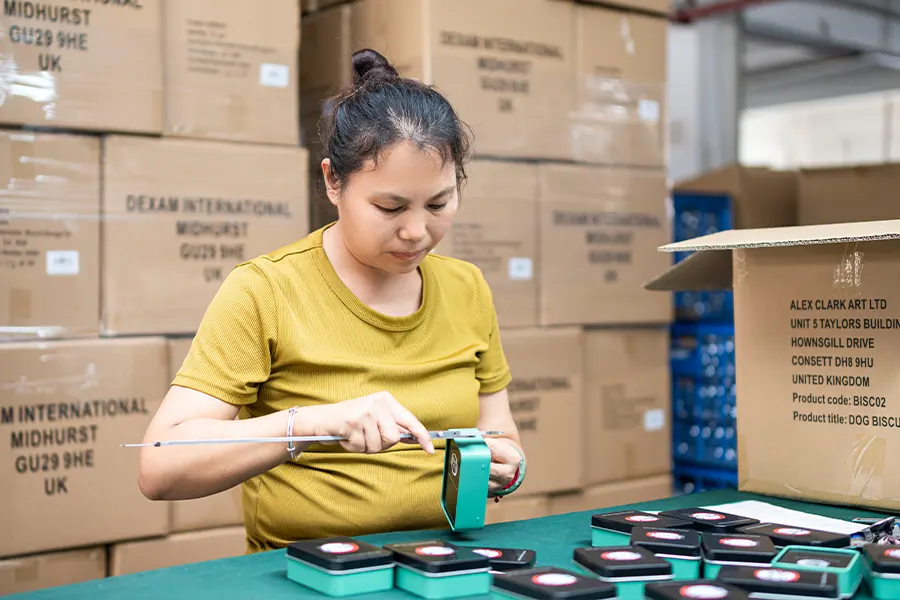
Stable production quality depends on strong factory management systems. A reliable supplier should control every stage of production, from raw materials to final inspection.
Areas worth reviewing include:
- Factory Certifications: ISO 9001 or FSSC 22000 certifications help show that the factory follows structured quality systems.
- Process Control: Reliable manufacturers should perform inspections during printing, forming, coating, and sealing.
- Seam Testing: Airtight sealing performance should be tested regularly during production.
- Dimensional Accuracy: Tin sizes and lid fit should remain consistent across large production runs.
- Sample Evaluation: Always request production samples to check print quality, structure, and sealing performance before mass production.
Good suppliers usually explain their quality process clearly and provide technical answers without hesitation.
Evaluate Traceability and Business Reliability
Production quality alone is not enough. You also need a supplier that can deliver stable lead times, manage volume growth, and respond quickly when issues happen.
Key factors include:
- Batch Tracking: Reliable factories should trace raw materials, coatings, and finished production batches.
- Production Capacity: Verify whether the supplier can support seasonal demand increases and long-term scaling.
- Delivery Stability: Review their standard lead times and export experience for international shipments.
- Client Experience: Ask for references or examples from coffee, food, or retail packaging projects.
- Communication Speed: Fast and clear communication usually reflects stronger internal management and project coordination.
A strong manufacturing partner should help reduce sourcing risks, not create new operational problems.
Preserve Coffee Freshness With Premium Custom Tins
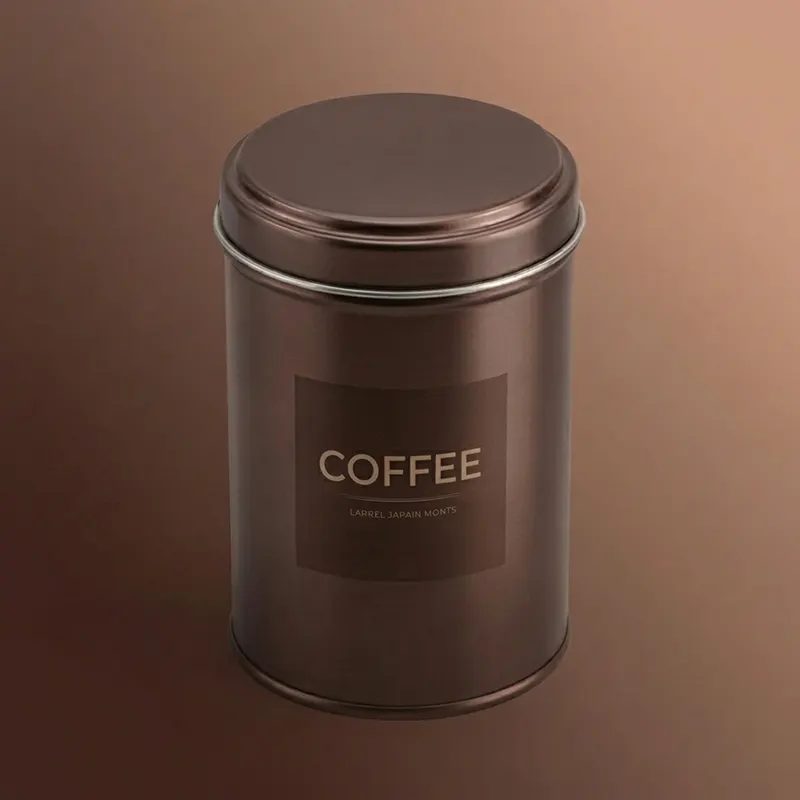
Essential Questions to Ask Before Placing an Order
Before confirming a coffee tin supplier, make sure you understand their production capabilities, quality standards, and supply support process. Asking the right questions early helps reduce sourcing risks and prevents costly problems during mass production.
Product Specifications and Customization Options
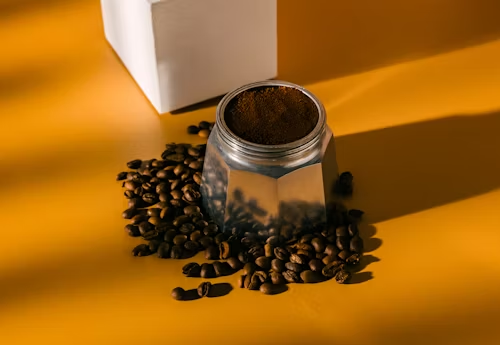
Before discussing pricing, confirm whether the supplier can support your required tin structure, branding needs, and filling process. Some factories only produce basic decorative tins, while others can support coffee-specific packaging features and custom engineering.
Key questions to ask include:
- Mold Availability: Do you offer existing molds to reduce tooling costs and shorten development time?
- Valve Support: Can you integrate one-way degassing valves during production?
- Printing Options: What finishes and branding methods are available for custom coffee tins?
Quality Control and Food Safety Documentation
Food safety documentation should always be verified before production begins. Reliable manufacturers should clearly explain their testing standards, coating systems, and quality control procedures for direct food-contact packaging.
Key questions to ask include:
- Compliance Documents: Can you provide FDA, EU, or other food-contact compliance certifications?
- Lab Testing: Do you offer third-party testing reports from SGS, Intertek, or similar organizations?
- Batch Traceability: How do you track raw materials and production batches if quality issues occur?
MOQ, Pricing, and Lead Time Planning
Production costs and timelines can vary significantly depending on the tin structure, order volume, and customization level. Clear communication early in the sourcing process helps avoid unexpected delays and hidden costs later.
Key questions to ask include:
- MOQ Requirements: What are the minimum order quantities for standard and fully custom tins?
- Lead Times: What is the average production timeline after artwork approval?
- Tooling Costs: Are there additional charges for molds, printing plates, or sampling?
Logistics, Sustainability, and Supply Support
Strong suppliers should support more than manufacturing alone. Export packaging, sustainability practices, and technical communication also affect long-term sourcing stability.
Key questions to ask include:
- Export Protection: How are coffee tins protected during international shipping?
- Sustainability Support: Do you use recyclable materials or low-migration coatings?
- Technical Response: How quickly can your team respond during development and production?
How to Choose Coffee Tin Designs and Production Options
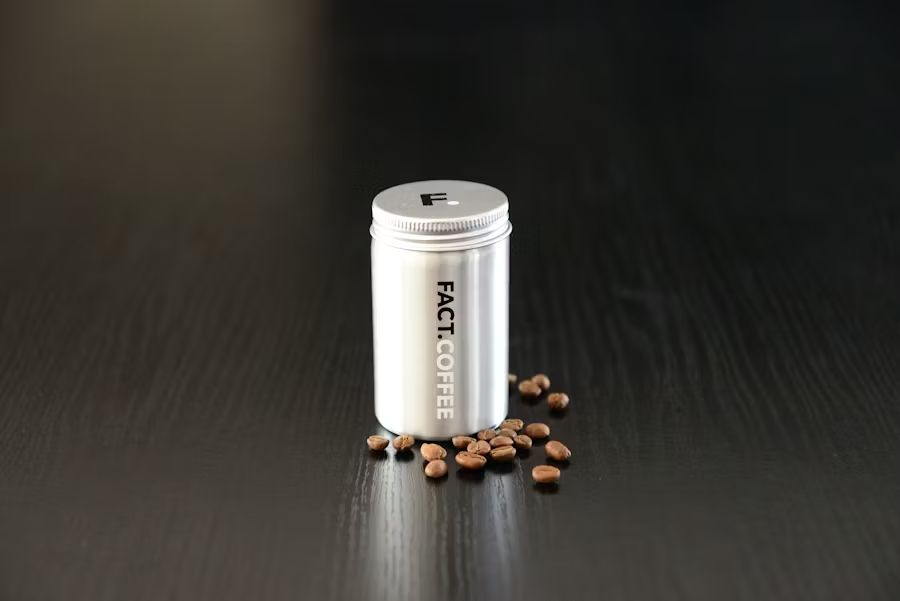
Production Capacity and Lead Time Management
Production capacity directly affects delivery stability during seasonal launches and repeat orders. Reliable manufacturers should maintain stable lead times, organized production scheduling, and enough manufacturing capacity to support future growth without causing major delays during peak demand periods.
Structural Customization and Closure Systems
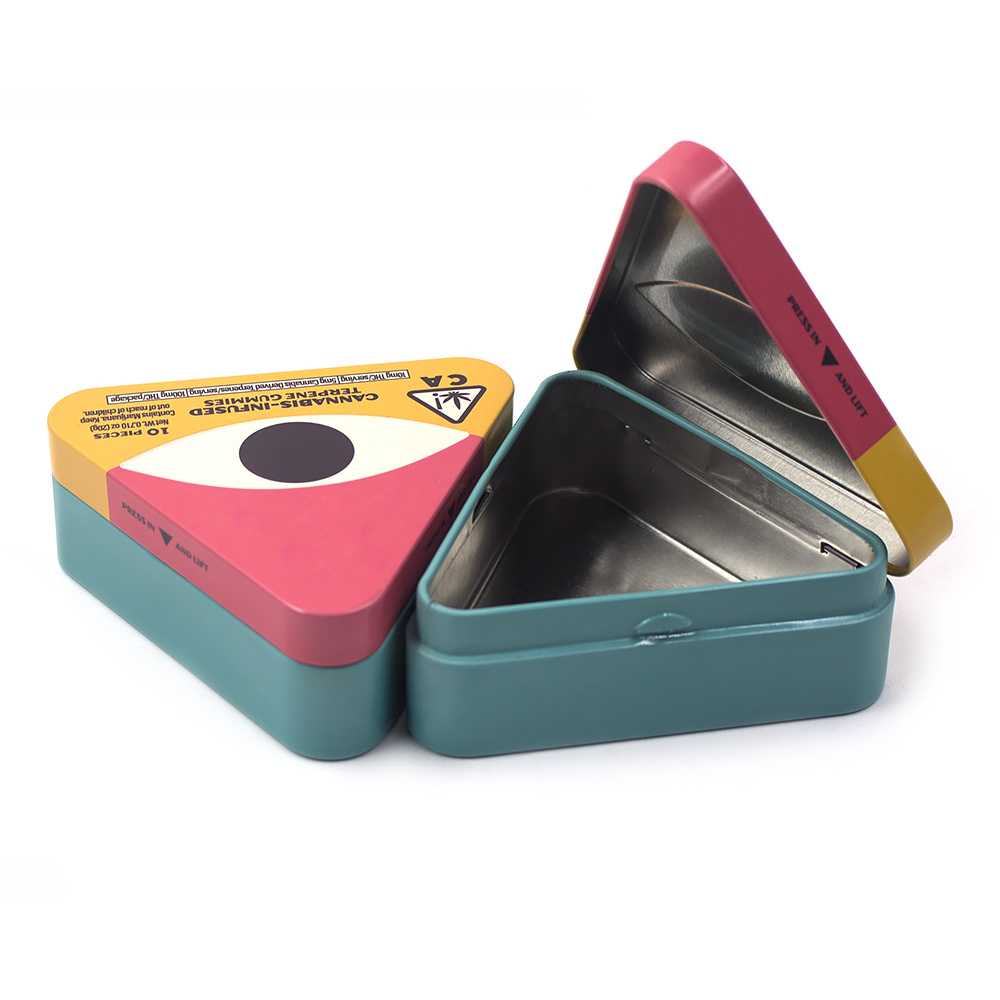
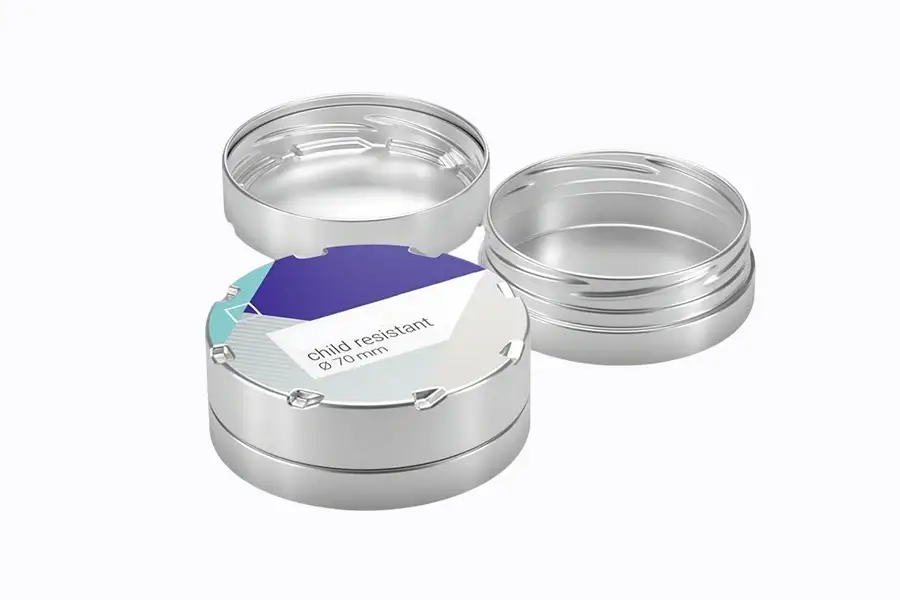
Tin structure influences freshness protection, filling efficiency, and customer experience. Standard round tins are usually more efficient for large production runs, while custom shapes improve shelf differentiation but often require higher tooling costs and longer development timelines. Closure systems should also provide reliable sealing performance for coffee storage.
Material Finishes and Branding Capabilities
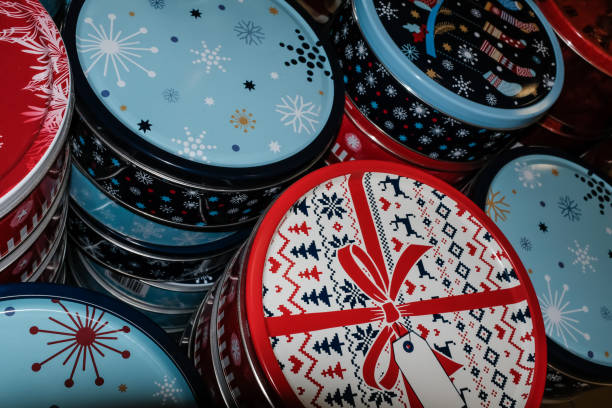
Printing quality and surface finishes strongly affect retail presentation. Reliable manufacturers should provide stable color consistency, high-resolution lithographic printing, and finishing options such as matte coatings, embossing, or metallic effects while still maintaining food-safe coating standards for coffee packaging applications.
Balancing Customization With Production Efficiency
Overly complex packaging structures often increase MOQs, slow production, and create supply chain risks. Many coffee brands reduce these issues by using existing factory molds combined with customized printing and finishes, allowing them to maintain strong shelf presentation without sacrificing production efficiency or lead time stability.
Red Flags to Avoid When Choosing a Supplier
Identifying supplier problems early helps reduce sourcing risks and prevent packaging failures later in production. Weak communication, inconsistent quality, and missing compliance documents often indicate larger operational issues that can affect product safety, lead times, and long-term supply stability.
Frequently Asked Questions
What certifications should coffee tins have?
Coffee tins should meet food-contact regulations in the markets where the products will be sold. Common standards include FDA compliance, EU food-contact regulations, ISO 9001, and FSSC 22000. Many coffee brands also request third-party testing reports from organizations such as SGS or Intertek to verify coating safety and material compliance.
What is the typical MOQ for custom coffee tins?
Most custom printed coffee tins require minimum order quantities between 3,000 and 10,000 units depending on the tin structure, printing complexity, and tooling requirements. Using existing factory molds instead of fully custom shapes can often reduce both MOQs and overall development costs.
Are metal coffee tins suitable for direct food contact?
Yes, food-grade tinplate coffee tins are widely used for direct food contact when they include approved internal coatings and proper compliance documentation. These coatings help prevent corrosion, reduce flavor transfer, and protect coffee oils from reacting with the metal surface during storage.
Can coffee tins include one-way degassing valves?
Yes, many coffee tin manufacturers can integrate one-way degassing valves into the lid or tin body. These valves allow freshly roasted coffee to release CO2 while helping reduce oxygen exposure inside the packaging, which supports longer shelf life and better flavor preservation.
What should I check during a coffee tin factory audit?
A factory audit should focus on food safety systems, quality control procedures, production consistency, and batch traceability. Buyers should also review sealing quality, coating management, export packaging methods, and the factory’s actual production capacity before confirming long-term cooperation.
Final Thoughts
Low-cost suppliers may reduce short-term packaging expenses, but inconsistent sealing quality, poor coating performance, and weak traceability can quickly create larger problems for coffee brands. Choosing a reliable coffee tin manufacturer with proven food-safe materials, stable production systems, and strong barrier protection is essential for protecting coffee freshness and maintaining long-term supply stability.
At Tin Men, we help coffee brands develop custom tin packaging designed for retail performance, food safety compliance, and scalable production. From structural design and printing to production support and export packaging, our team works closely with customers to create reliable coffee tin solutions for growing global brands.
Contact us today to discuss your custom coffee tin packaging project. Our team will help you develop reliable packaging solutions that match your brand and supply chain needs.